The left side wins both phases: Hangzhou Bay and its islands during the departure turn, and the rare, genuine view of Mount Fuji plus the Suruga Bay coastline during descent into Haneda, while the right side mostly faces open Pacific water for both legs.
Flown PVG to HND? Did we get it right?
Flight Path
Shanghai to Tokyo is 1,080 miles (1,738 km), a flight of about 2 hours 55 minutes.
East China Sea crossing, Japan landfall near Nagasaki/Kyushu, Seto Inland Sea and Shikoku region, then Honshu's Shizuoka coast near Mount Fuji before descending into Tokyo Bay
Great circle distance and headings ›


Phase by phase
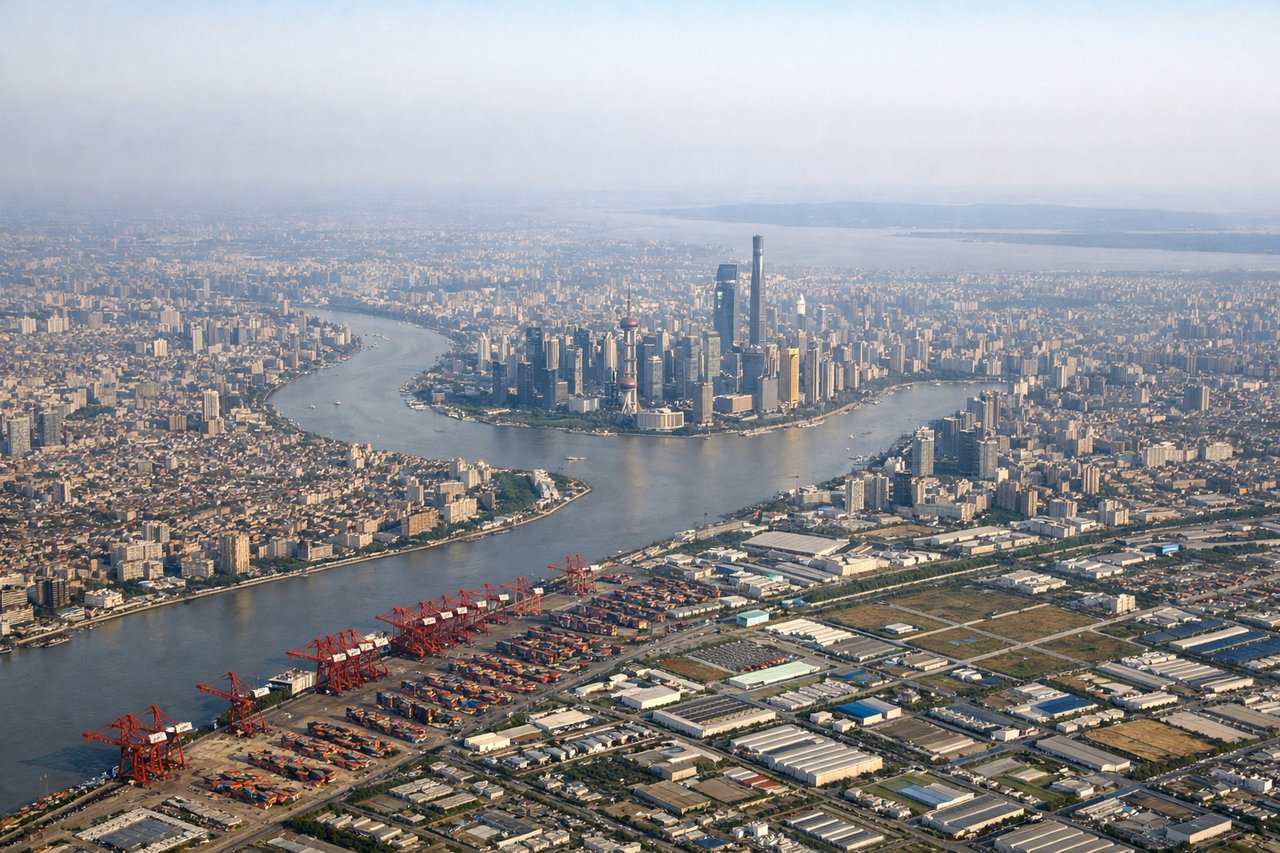
Takeoff from PVG
LEFTDepartures from PVG typically roll south-southeast over Hangzhou Bay before banking left to join the eastbound track toward Japan. That left turn puts the bay, its scattered Zhoushan Islands, and Shanghai's low-lying southern coastline right below the left-side windows.
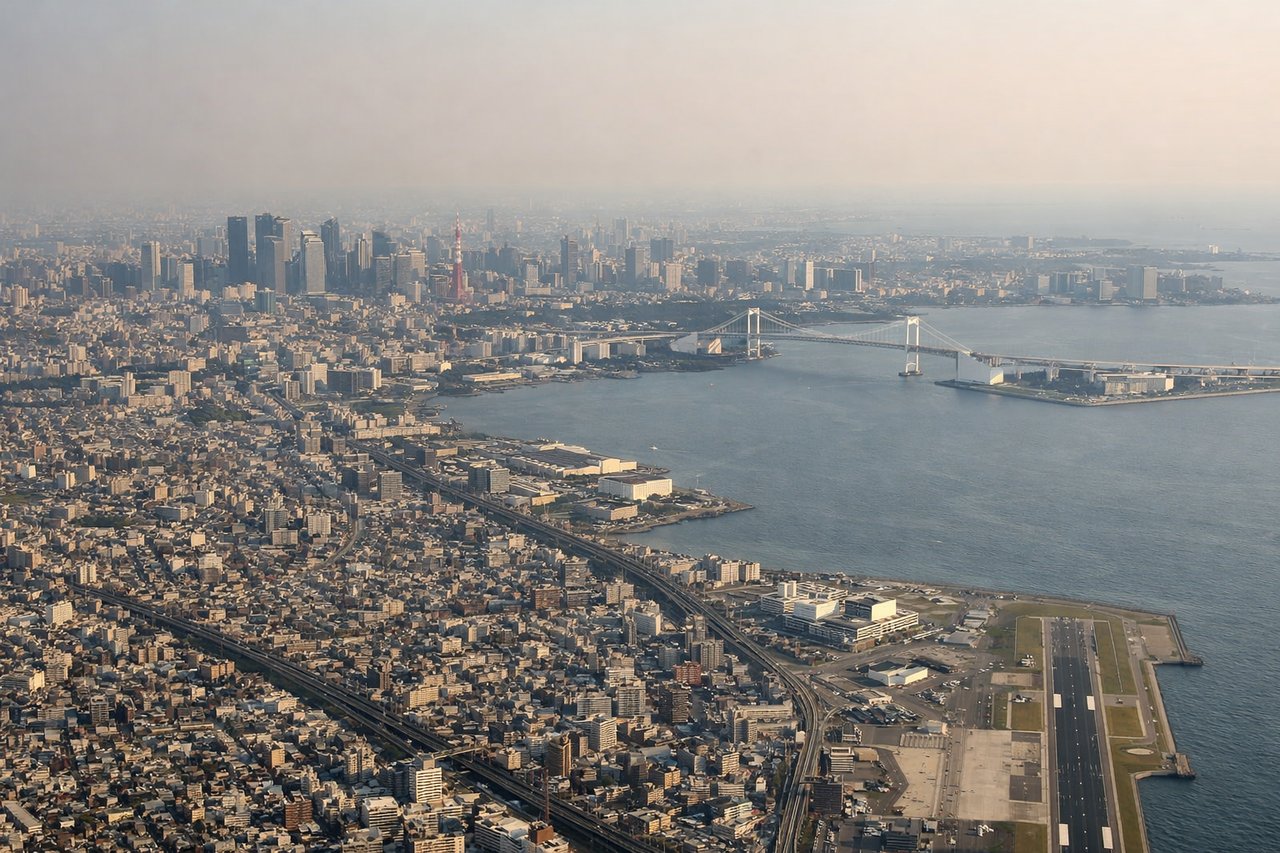
Landing at HND
LEFTOn the final leg into Haneda, the flight path passes just south of the Izu/Shizuoka coast and north of the route sits Mount Fuji, Japan's most iconic landmark, visible from the left side during descent. The same side also picks up Suruga Bay and the Honshu coastline before the turn into Tokyo Bay.
Will your flight be in sunlight?
Pick a date and time in the Sun Map to watch the sun move across your whole flight.
About This Route
Which side of the plane should I sit on flying from Shanghai Pudong International (PVG) to Tokyo International (HND)?
Sit on the Left side of the plane for the best views on flights from Shanghai to Tokyo. The left side wins both phases: Hangzhou Bay and its islands during the departure turn, and the rare, genuine view of Mount Fuji plus the Suruga Bay coastline during descent into Haneda, while the right side mostly faces open Pacific water for both legs.
What can I see during takeoff from Shanghai Pudong International in Shanghai?
During takeoff from Shanghai Pudong International (PVG), sit on the Left side for the best views. Departures from PVG typically roll south-southeast over Hangzhou Bay before banking left to join the eastbound track toward Japan. That left turn puts the bay, its scattered Zhoushan Islands, and Shanghai's low-lying southern coastline right below the left-side windows. Notable sights include: Hangzhou Bay, Zhoushan Archipelago islands, Shanghai's southern coastal wetlands, East China Sea shoreline.
What can I see when landing at Tokyo International in Tokyo?
When landing at Tokyo International (HND), sit on the Left side for the best views. On the final leg into Haneda, the flight path passes just south of the Izu/Shizuoka coast and north of the route sits Mount Fuji, Japan's most iconic landmark, visible from the left side during descent. The same side also picks up Suruga Bay and the Honshu coastline before the turn into Tokyo Bay. Notable sights include: Mount Fuji, Suruga Bay, Shizuoka coastline, Tokyo Bay approach.
How long is the flight from Shanghai to Tokyo?
The flight from Shanghai Pudong International (PVG) to Tokyo International (HND) takes about 2 hours 55 minutes. The shortest flight path between them is 1,080 miles (1,738 km); winds and air traffic control usually add a few percent.
What does the Shanghai to Tokyo flight path pass over?
East China Sea crossing, Japan landfall near Nagasaki/Kyushu, Seto Inland Sea and Shikoku region, then Honshu's Shizuoka coast near Mount Fuji before descending into Tokyo Bay