The left side delivers the more memorable full-flight package: the Seattle skyline and Olympic Mountains at departure, plus the chance to see Greenland's ice sheet and Iceland's volcanic terrain during the high-latitude cruise, outweighing the right side's more modest coastal view on arrival.
Flight Path
Northern Canadian tundra and lakes near Hudson Bay, the southern tip of Greenland's ice sheet, and Iceland's volcanic coastline along the great-circle track toward Northern Europe
Great circle distance and headings ›
.jpg?width=600)


Phase by phase
Takeoff from SEA
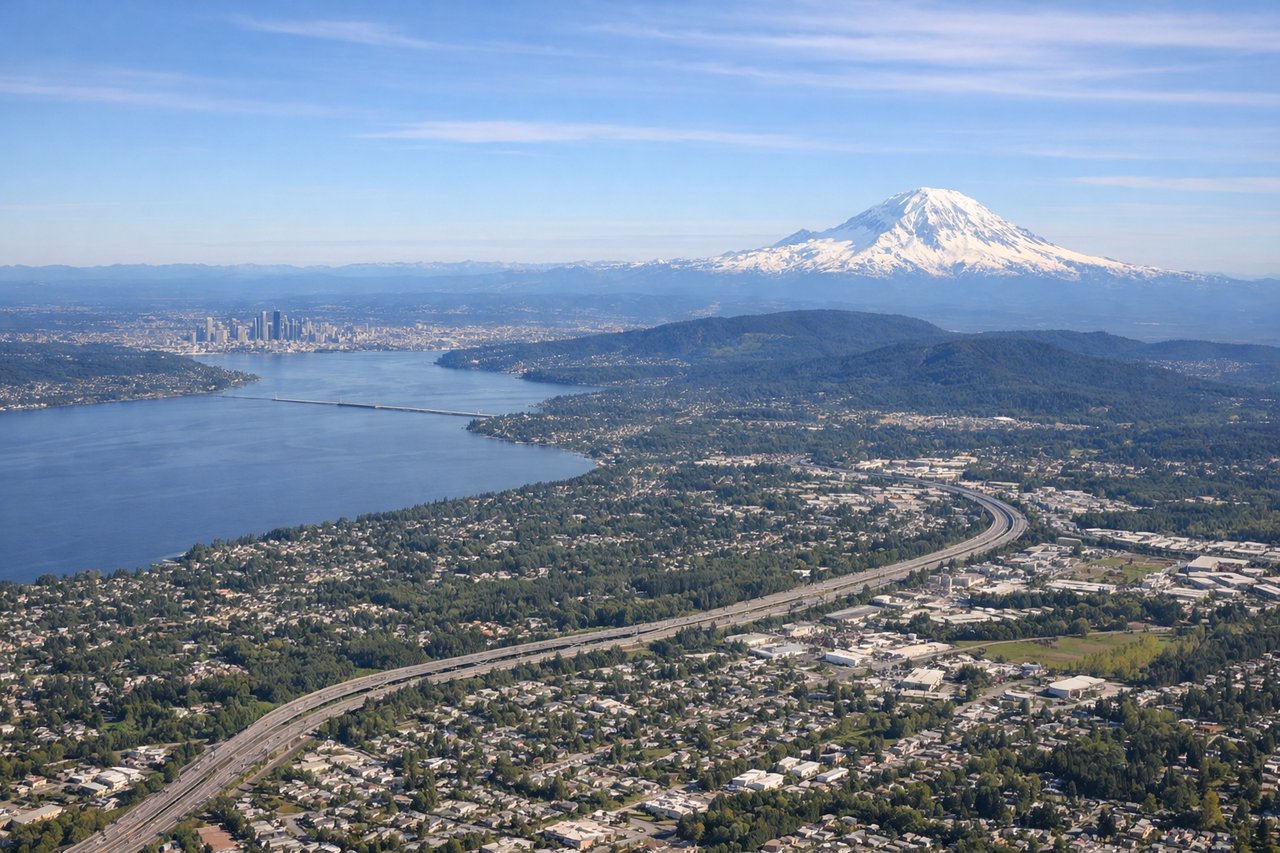
LEFTDeparting SEA on runway 34 climbs the aircraft north directly over Puget Sound and downtown Seattle before the turn toward Canada. Left-side passengers get a clean view of the Seattle skyline against Elliott Bay, with the Olympic Mountains rising beyond the water.
Landing at AMS
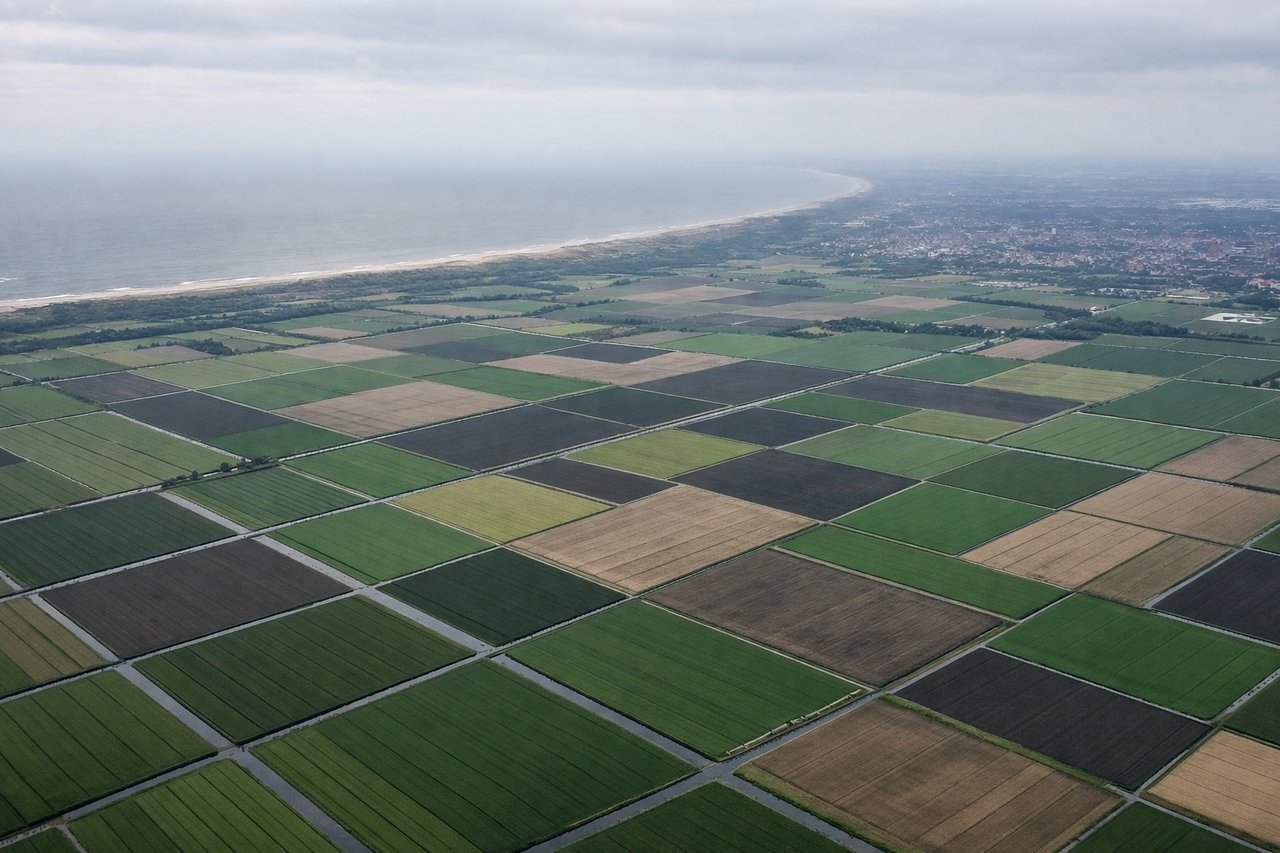
RIGHTArriving from the north on the 18-side runways, the aircraft tracks down the Dutch coast before turning inland for final approach. Right-side passengers see the North Sea coastline, dunes, and neat green polders crossed by canals just before touchdown.
Landmarks on this routeAll landmarks →
Will your flight be in sunlight?
See exactly which side of the plane gets sun and shade at your departure time.
About This Route
Which side of the plane should I sit on flying from Seattle Tacoma International (SEA) to Schiphol (AMS)?
Sit on the Left side of the plane for the best views on flights from Seattle to Amsterdam. The left side delivers the more memorable full-flight package: the Seattle skyline and Olympic Mountains at departure, plus the chance to see Greenland's ice sheet and Iceland's volcanic terrain during the high-latitude cruise, outweighing the right side's more modest coastal view on arrival.
What can I see during takeoff from Seattle Tacoma International in Seattle?
During takeoff from Seattle Tacoma International (SEA), sit on the Left side for the best views. Departing SEA on runway 34 climbs the aircraft north directly over Puget Sound and downtown Seattle before the turn toward Canada. Left-side passengers get a clean view of the Seattle skyline against Elliott Bay, with the Olympic Mountains rising beyond the water. Notable sights include: Downtown Seattle skyline, Elliott Bay/Puget Sound, Olympic Mountains, Bainbridge Island.
What can I see when landing at Schiphol in Amsterdam?
When landing at Schiphol (AMS), sit on the Right side for the best views. Arriving from the north on the 18-side runways, the aircraft tracks down the Dutch coast before turning inland for final approach. Right-side passengers see the North Sea coastline, dunes, and neat green polders crossed by canals just before touchdown. Notable sights include: North Sea coastline near IJmuiden, Dutch polder farmland, drainage canals, distant Amsterdam skyline.
How long is the flight from Seattle to Amsterdam?
The flight from Seattle Tacoma International (SEA) to Schiphol (AMS) takes 8h 50m.
What does the Seattle to Amsterdam flight path pass over?
Northern Canadian tundra and lakes near Hudson Bay, the southern tip of Greenland's ice sheet, and Iceland's volcanic coastline along the great-circle track toward Northern Europe