Left side wins both departure and arrival. At takeoff you get Mount Rainier and the Cascades; on landing you get the Fort Lauderdale coastline and Port Everglades. The right side offers little of comparable interest at either end of the flight.
Flight Path
The flight tracks southeast over the Rockies in Nevada and Utah, where you can see the Great Basin desert and Colorado Plateau from both sides. Over New Mexico and Texas the terrain flattens into the southern plains. The Gulf Coast of Louisiana and Florida's Gulf side appear in the final hour before crossing the Florida peninsula near the Everglades and turning toward Fort Lauderdale.
Great circle distance and headings ›
.jpg?width=600)
.jpg?width=600)


Phase by phase
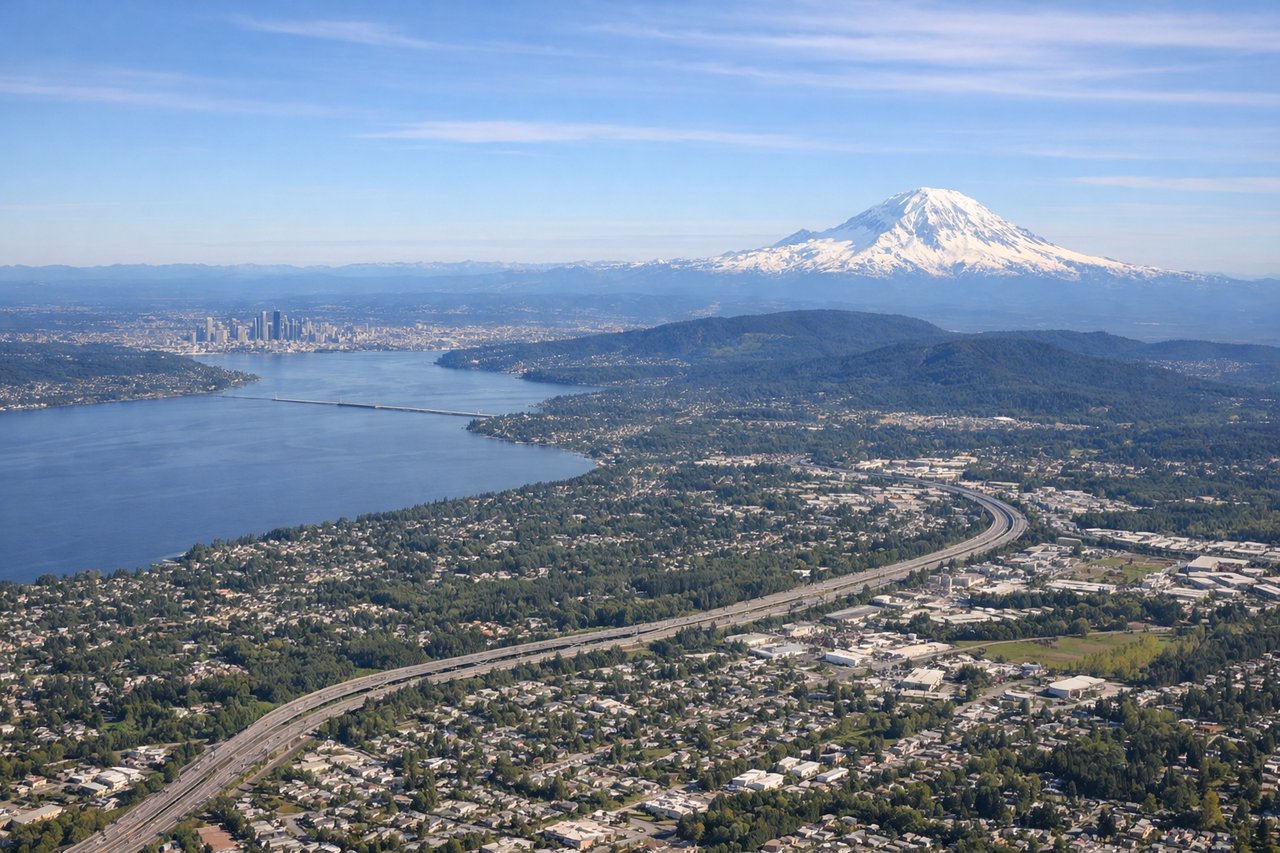
Takeoff from SEA
LEFTSeaTac's primary departure runways (16L/16R) head southbound, putting the left side facing east toward the Cascade Range and Mount Rainier. You get a clear view of Rainier's massive volcanic cone rising above the surrounding ridgelines, plus Lake Washington and the Seattle skyline receding behind you.
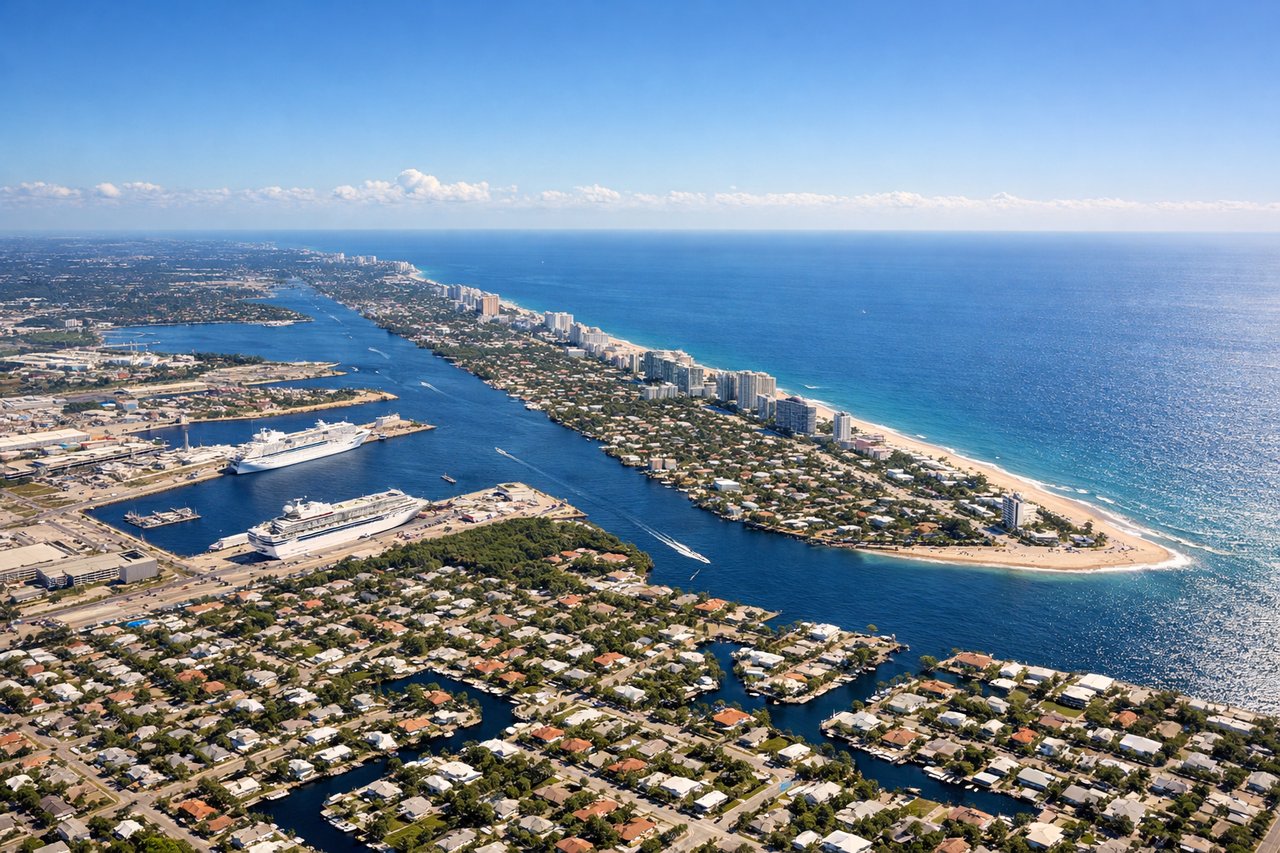
Landing at FLL
LEFTFLL's primary arrival runway 28L/28R brings aircraft in from the east heading westbound, placing the left side facing south over the Atlantic Ocean and the Fort Lauderdale beach strip. You get a long look at the coastline, Port Everglades, and the turquoise shallow water of the Bahama Banks on the horizon before touchdown.
Landmarks on this routeAll landmarks →
Will your flight be in sunlight?
See exactly which side of the plane gets sun and shade at your departure time.
About This Route
Which side of the plane should I sit on flying from Seattle Tacoma International (SEA) to Fort Lauderdale Hollywood International (FLL)?
Sit on the Left side of the plane for the best views on flights from Seattle to Fort Lauderdale. Left side wins both departure and arrival. At takeoff you get Mount Rainier and the Cascades; on landing you get the Fort Lauderdale coastline and Port Everglades. The right side offers little of comparable interest at either end of the flight.
What can I see during takeoff from Seattle Tacoma International in Seattle?
During takeoff from Seattle Tacoma International (SEA), sit on the Left side for the best views. SeaTac's primary departure runways (16L/16R) head southbound, putting the left side facing east toward the Cascade Range and Mount Rainier. You get a clear view of Rainier's massive volcanic cone rising above the surrounding ridgelines, plus Lake Washington and the Seattle skyline receding behind you. Notable sights include: Mount Rainier, Lake Washington, Seattle downtown skyline, Cascade Range foothills.
What can I see when landing at Fort Lauderdale Hollywood International in Fort Lauderdale?
When landing at Fort Lauderdale Hollywood International (FLL), sit on the Left side for the best views. FLL's primary arrival runway 28L/28R brings aircraft in from the east heading westbound, placing the left side facing south over the Atlantic Ocean and the Fort Lauderdale beach strip. You get a long look at the coastline, Port Everglades, and the turquoise shallow water of the Bahama Banks on the horizon before touchdown. Notable sights include: Fort Lauderdale Beach, Port Everglades, Atlantic Ocean coastline, Intracoastal Waterway.
How long is the flight from Seattle to Fort Lauderdale?
The flight from Seattle Tacoma International (SEA) to Fort Lauderdale Hollywood International (FLL) takes Approximately 5 hours 15 minutes to 5 hours 45 minutes.
What does the Seattle to Fort Lauderdale flight path pass over?
The flight tracks southeast over the Rockies in Nevada and Utah, where you can see the Great Basin desert and Colorado Plateau from both sides. Over New Mexico and Texas the terrain flattens into the southern plains. The Gulf Coast of Louisiana and Florida's Gulf side appear in the final hour before crossing the Florida peninsula near the Everglades and turning toward Fort Lauderdale.