San Francisco to New Orleans is 1,907 miles (3,069 km), a flight of about 3 hours 50 minutes.
The left side wins across all three phases: San Francisco's skyline and bay at departure, likely views of the Sierra Nevada and high desert basins during cruise as the route curves southeast, and Louisiana's lakes and wetlands with a distant New Orleans skyline on arrival. The right side is dominated by less distinctive desert and plains scenery for most of the flight.
Flight Path
Southern Rocky Mountain foothills and high desert basins of northern Arizona/New Mexico, including the Painted Desert region and the upper Rio Grande valley
Great circle distance and headings ›


.jpeg?width=600)

.jpg?width=600)

Phase by phase
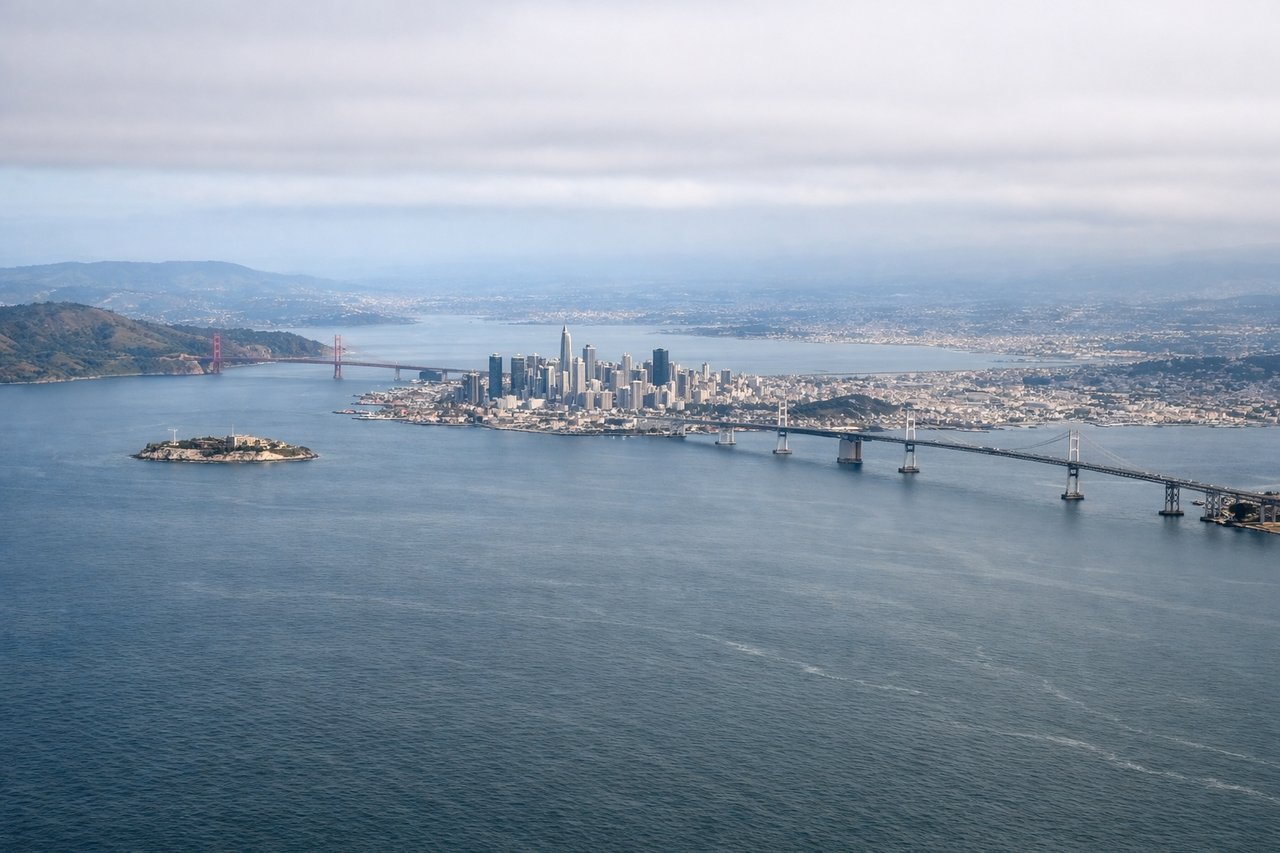
Takeoff from SFO
LEFTDeparting SFO on runway 10 heading roughly 118°, the initial climb keeps San Francisco Bay on the left side of the aircraft, giving a sweeping view of the city skyline, the Bay Bridge, and the East Bay hills before the plane settles onto its southeastern route. The right side only shows the sprawl of the Peninsula and Santa Cruz Mountains, less distinctive from altitude.
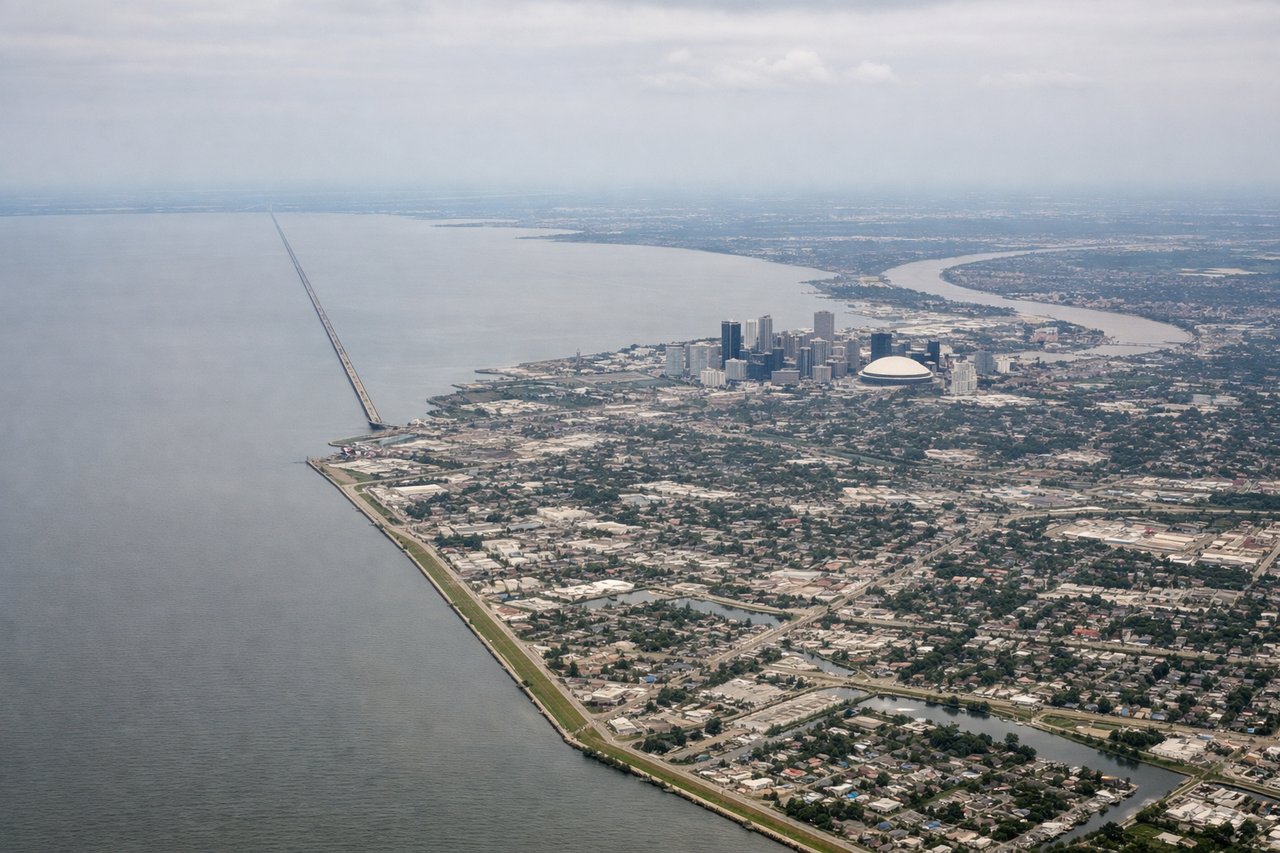
Landing at MSY
LEFTOn the approach into MSY from the west, the aircraft descends over the Louisiana wetlands with Lake Pontchartrain and Lake Maurepas visible off the left side, along with glimpses of the New Orleans skyline in the distance. The right side over the marshy bayous south of the flight path offers a far less varied, monotonous green expanse.
Landmarks on this routeAll landmarks →
Will your flight be in sunlight?
Pick a date and time in the Sun Map to watch the sun move across your whole flight.
About This Route
Which side of the plane should I sit on flying from San Francisco International (SFO) to Louis Armstrong New Orleans International (MSY)?
Sit on the Left side of the plane for the best views on flights from San Francisco to New Orleans. The left side wins across all three phases: San Francisco's skyline and bay at departure, likely views of the Sierra Nevada and high desert basins during cruise as the route curves southeast, and Louisiana's lakes and wetlands with a distant New Orleans skyline on arrival. The right side is dominated by less distinctive desert and plains scenery for most of the flight.
What can I see during takeoff from San Francisco International in San Francisco?
During takeoff from San Francisco International (SFO), sit on the Left side for the best views. Departing SFO on runway 10 heading roughly 118°, the initial climb keeps San Francisco Bay on the left side of the aircraft, giving a sweeping view of the city skyline, the Bay Bridge, and the East Bay hills before the plane settles onto its southeastern route. The right side only shows the sprawl of the Peninsula and Santa Cruz Mountains, less distinctive from altitude. Notable sights include: San Francisco skyline, Bay Bridge, Golden Gate Bridge (distant), East Bay hills.
What can I see when landing at Louis Armstrong New Orleans International in New Orleans?
When landing at Louis Armstrong New Orleans International (MSY), sit on the Left side for the best views. On the approach into MSY from the west, the aircraft descends over the Louisiana wetlands with Lake Pontchartrain and Lake Maurepas visible off the left side, along with glimpses of the New Orleans skyline in the distance. The right side over the marshy bayous south of the flight path offers a far less varied, monotonous green expanse. Notable sights include: Lake Pontchartrain, Lake Maurepas, Louisiana bayous, New Orleans skyline (distant).
How long is the flight from San Francisco to New Orleans?
The flight from San Francisco International (SFO) to Louis Armstrong New Orleans International (MSY) takes about 3 hours 50 minutes. The shortest flight path between them is 1,907 miles (3,069 km); winds and air traffic control usually add a few percent.
What does the San Francisco to New Orleans flight path pass over?
Southern Rocky Mountain foothills and high desert basins of northern Arizona/New Mexico, including the Painted Desert region and the upper Rio Grande valley