The left side wins because of two strong scenic moments bracketing an otherwise ocean-heavy cruise: Taiwan's Central Mountain Range passing below mid-flight, and the iconic sight of Mount Fuji on final approach into Haneda, which outweighs the right side's pleasant but shorter-lived Singapore skyline view at departure.
Flight Path
Luzon Strait between Taiwan and the northern Philippines, Taiwan's Central Mountain Range, and the Ryukyu Island chain (Okinawa) as the route crosses into the East China Sea toward Japan
Great circle distance and headings ›


Phase by phase
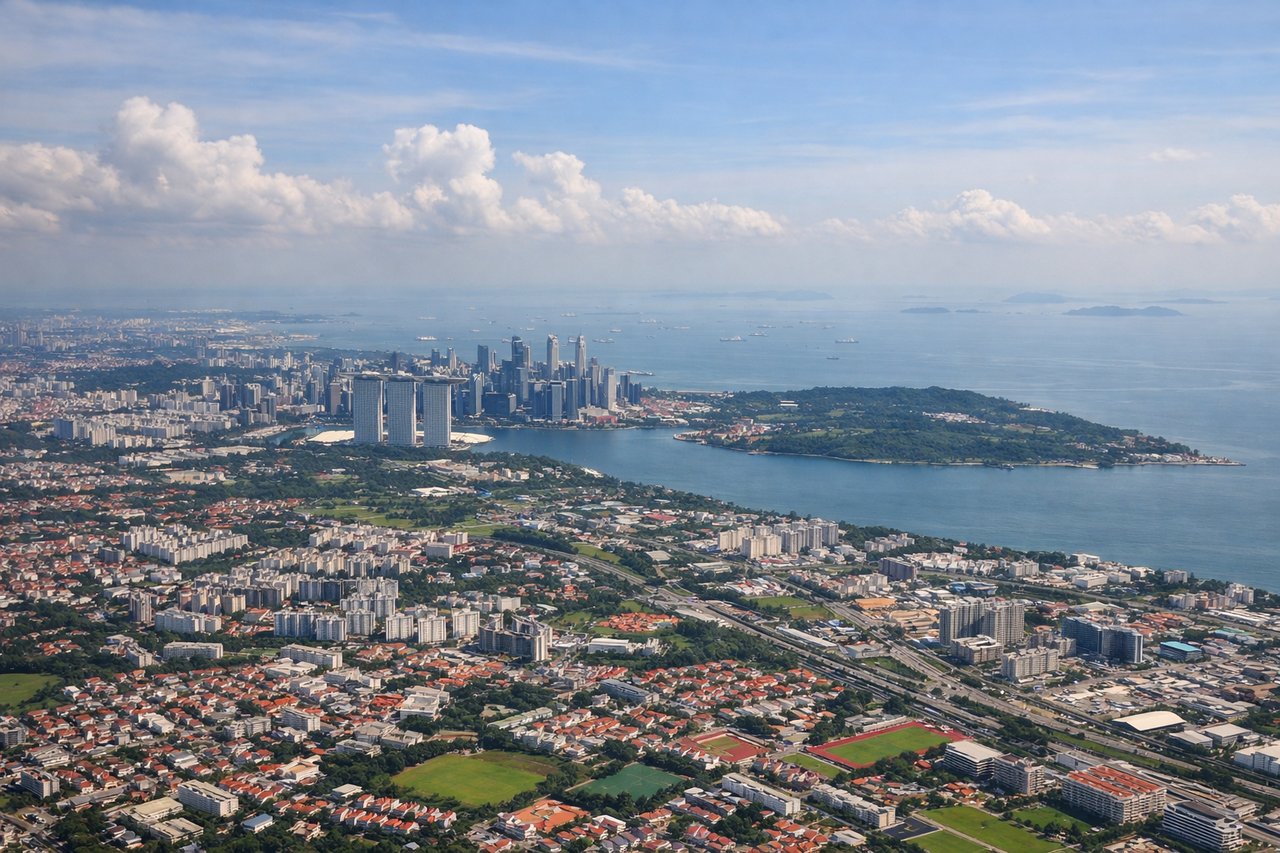
Takeoff from SIN
RIGHTClimbing out of Changi, the right side offers a clear view of Singapore's skyline along Marina Bay and the Central Business District, plus Sentosa Island and the ship-choked Singapore Strait before the aircraft banks north toward the South China Sea.
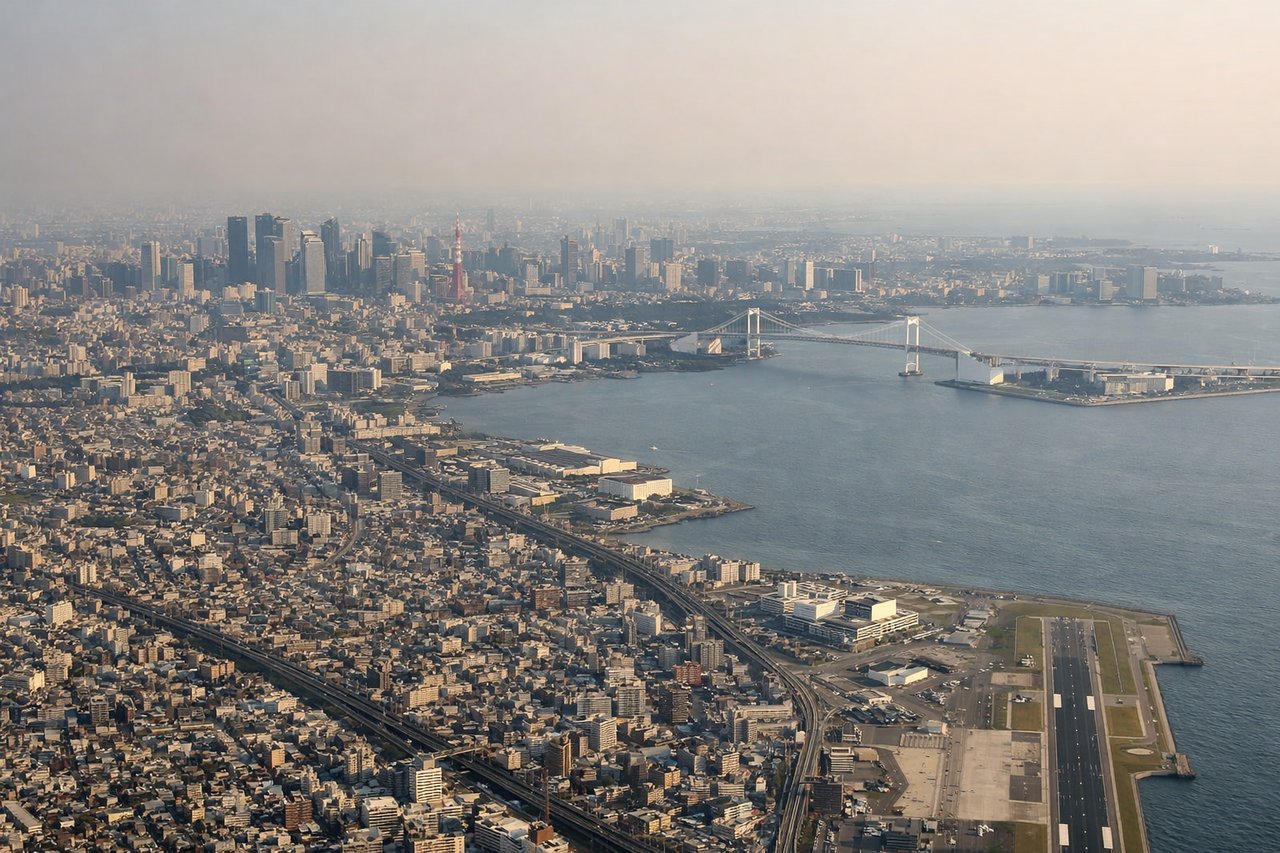
Landing at HND
LEFTOn the common south-wind approach into Haneda, the flight path threads past the Izu Peninsula and Sagami Bay before turning north into Tokyo Bay, putting Mount Fuji's snow-capped cone in clear view on the left side of the aircraft.
Landmarks on this routeAll landmarks →
Will your flight be in sunlight?
See exactly which side of the plane gets sun and shade at your departure time.
About This Route
Which side of the plane should I sit on flying from Singapore Changi (SIN) to Tokyo International (HND)?
Sit on the Left side of the plane for the best views on flights from Singapore to Tokyo. The left side wins because of two strong scenic moments bracketing an otherwise ocean-heavy cruise: Taiwan's Central Mountain Range passing below mid-flight, and the iconic sight of Mount Fuji on final approach into Haneda, which outweighs the right side's pleasant but shorter-lived Singapore skyline view at departure.
What can I see during takeoff from Singapore Changi in Singapore?
During takeoff from Singapore Changi (SIN), sit on the Right side for the best views. Climbing out of Changi, the right side offers a clear view of Singapore's skyline along Marina Bay and the Central Business District, plus Sentosa Island and the ship-choked Singapore Strait before the aircraft banks north toward the South China Sea. Notable sights include: Marina Bay skyline, Sentosa Island, Singapore Strait shipping lanes, Riau Archipelago (faint, southward).
What can I see when landing at Tokyo International in Tokyo?
When landing at Tokyo International (HND), sit on the Left side for the best views. On the common south-wind approach into Haneda, the flight path threads past the Izu Peninsula and Sagami Bay before turning north into Tokyo Bay, putting Mount Fuji's snow-capped cone in clear view on the left side of the aircraft. Notable sights include: Mount Fuji, Izu Peninsula, Sagami Bay coastline, Tokyo Bay entrance.
How long is the flight from Singapore to Tokyo?
The flight from Singapore Changi (SIN) to Tokyo International (HND) takes 6h 35m.
What does the Singapore to Tokyo flight path pass over?
Luzon Strait between Taiwan and the northern Philippines, Taiwan's Central Mountain Range, and the Ryukyu Island chain (Okinawa) as the route crosses into the East China Sea toward Japan