The left side strings together Singapore's skyline at takeoff, a long stretch of Indonesian volcanic islands and Australian outback during cruise, and Melbourne's bay and city skyline on landing — while the right side mostly faces open ocean and featureless desert.
Flight Path
Sumatra's Barisan Mountains and coastline, the Java Sea, a crossing of the Timor Sea, then Australia's red-centre outback including the Great Sandy or Simpson Desert before the descent into Victoria
Great circle distance and headings ›

Phase by phase
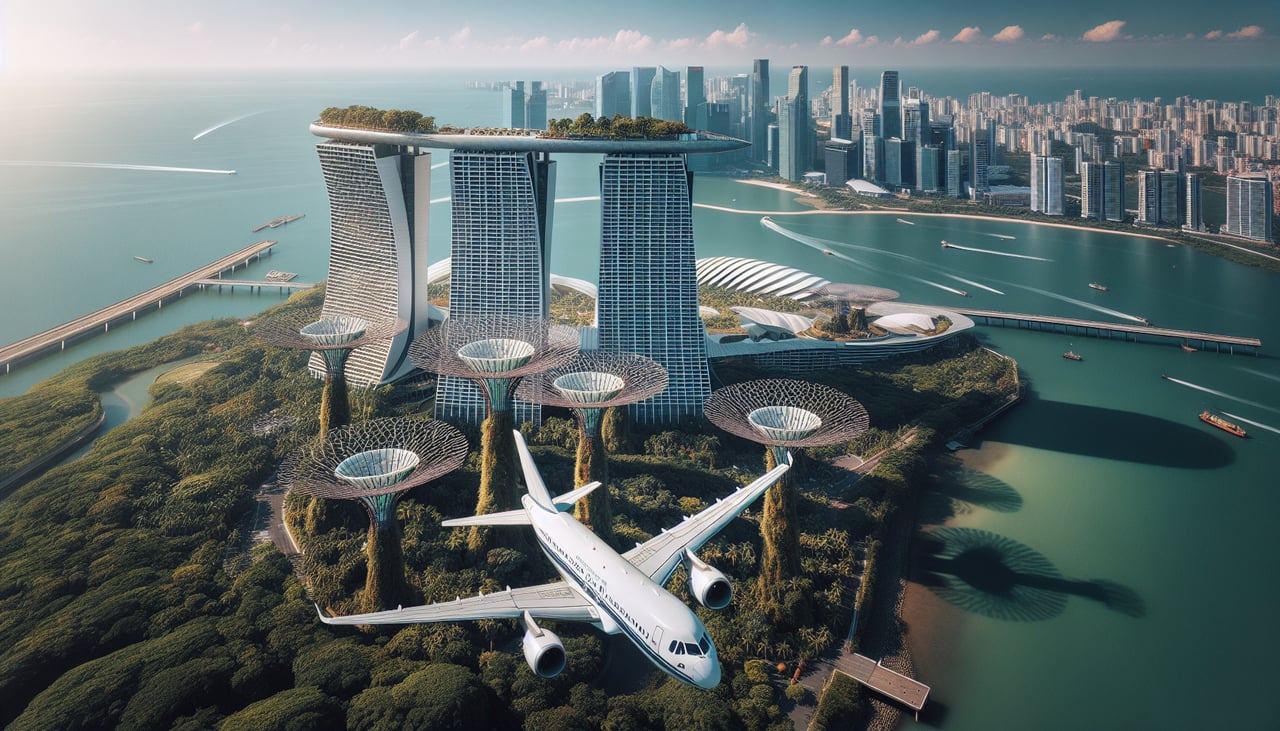
Takeoff from SIN
LEFTDeparting Changi on runway 20, the aircraft climbs south over the Singapore Strait before banking left onto its southeasterly track toward Indonesia. That left turn puts Singapore's skyline, Sentosa Island, and the ship-choked strait right in view of left-side passengers.
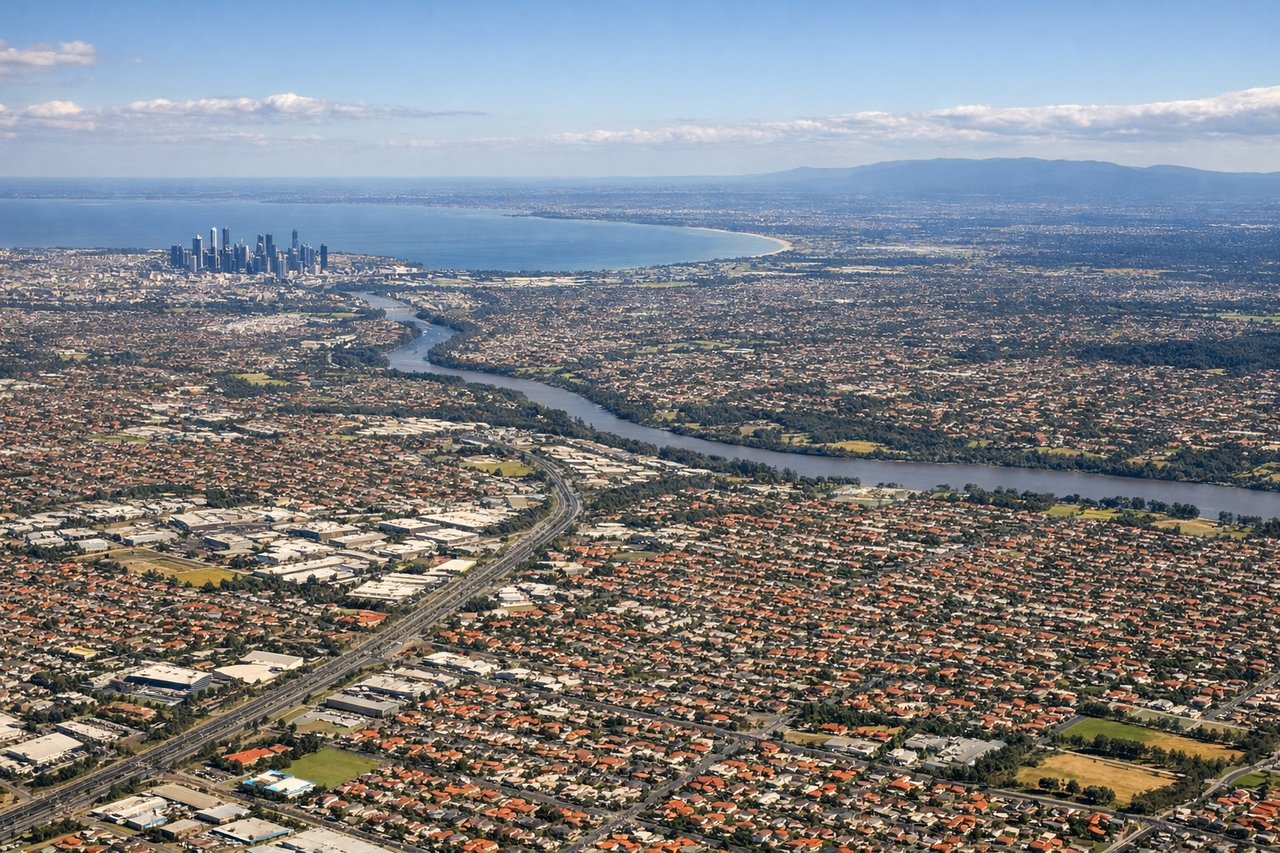
Landing at MEL
LEFTArriving from the north on runway 16, the aircraft tracks south past Melbourne, keeping the city and its bay on the left side during the final descent. Passengers get a clear view of the CBD skyline and Port Phillip Bay before touchdown at Tullamarine.
Landmarks on this routeAll landmarks →
Will your flight be in sunlight?
See exactly which side of the plane gets sun and shade at your departure time.
About This Route
Which side of the plane should I sit on flying from Singapore Changi (SIN) to Melbourne International (MEL)?
Sit on the Left side of the plane for the best views on flights from Singapore to Melbourne. The left side strings together Singapore's skyline at takeoff, a long stretch of Indonesian volcanic islands and Australian outback during cruise, and Melbourne's bay and city skyline on landing — while the right side mostly faces open ocean and featureless desert.
What can I see during takeoff from Singapore Changi in Singapore?
During takeoff from Singapore Changi (SIN), sit on the Left side for the best views. Departing Changi on runway 20, the aircraft climbs south over the Singapore Strait before banking left onto its southeasterly track toward Indonesia. That left turn puts Singapore's skyline, Sentosa Island, and the ship-choked strait right in view of left-side passengers. Notable sights include: Marina Bay skyline, Sentosa Island, Singapore Strait shipping lanes, Riau Archipelago (Bintan/Batam) in the distance.
What can I see when landing at Melbourne International in Melbourne?
When landing at Melbourne International (MEL), sit on the Left side for the best views. Arriving from the north on runway 16, the aircraft tracks south past Melbourne, keeping the city and its bay on the left side during the final descent. Passengers get a clear view of the CBD skyline and Port Phillip Bay before touchdown at Tullamarine. Notable sights include: Melbourne CBD skyline, Port Phillip Bay, Yarra River mouth, Mornington Peninsula coastline.
How long is the flight from Singapore to Melbourne?
The flight from Singapore Changi (SIN) to Melbourne International (MEL) takes 7h 40m.
What does the Singapore to Melbourne flight path pass over?
Sumatra's Barisan Mountains and coastline, the Java Sea, a crossing of the Timor Sea, then Australia's red-centre outback including the Great Sandy or Simpson Desert before the descent into Victoria