Left side wins both the departure and arrival. Over the flight itself, the left side also tracks closer to the Caribbean coastline of Central America during the initial climb-out, and on the descent into New York delivers the most iconic urban geography in the world.
Flown SJO to JFK? Did we get it right?
Flight Path
San Jose to New York is 2,211 miles (3,559 km), a flight of about 5 hours 45 minutes.
After leaving Costa Rica the route passes over Nicaragua and Honduras, then crosses the Yucatán Peninsula of Mexico, the Gulf of Mexico, Cuba or the Florida Straits depending on routing, then up the US East Coast over Florida, the Carolinas, and the Mid-Atlantic states before descending into New York. The Gulf of Mexico crossing and the Florida coastline are the most visually distinctive midpoint features.
Great circle distance and headings ›

Phase by phase
Takeoff from SJO
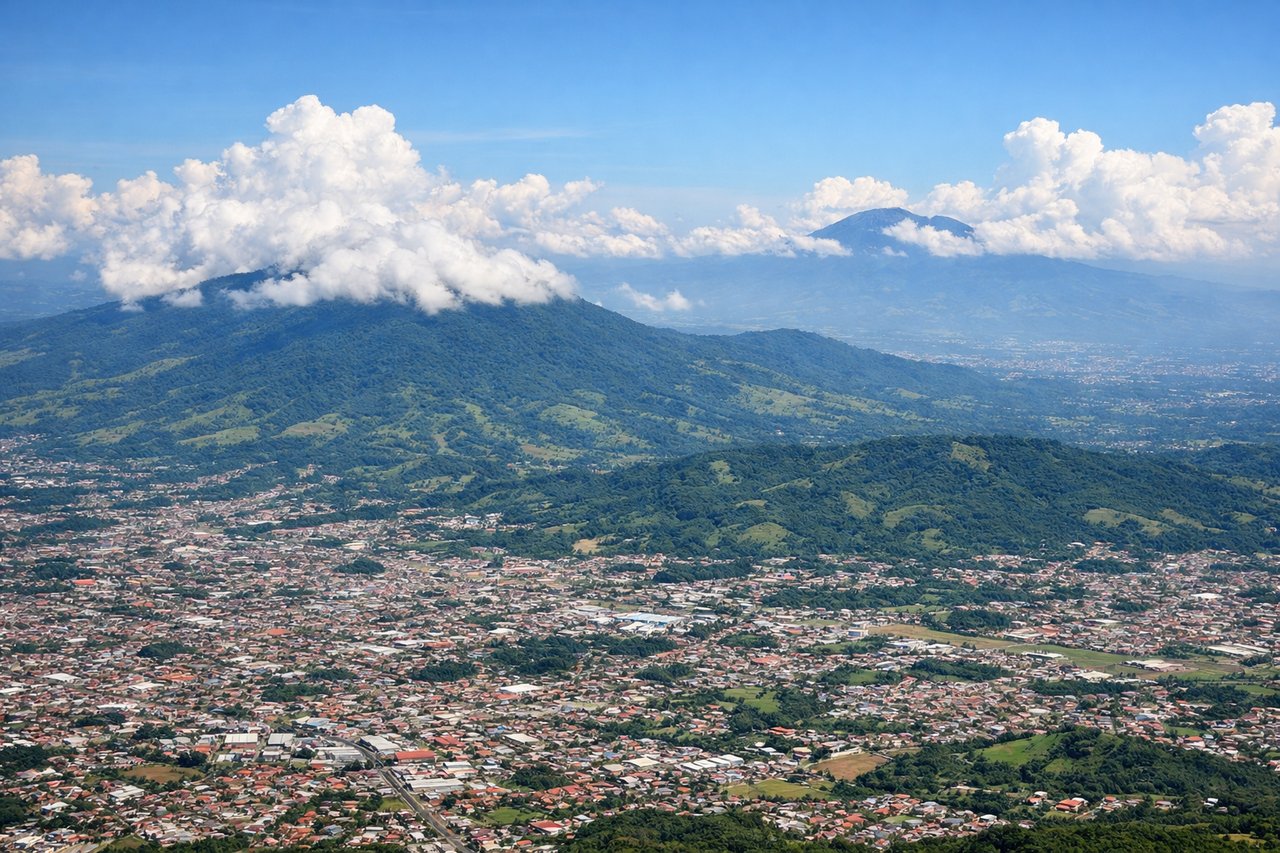
LEFTSJO's primary departure runway is 07, meaning aircraft climb out heading east then turn north. The left (north) side gives you a clear view of the Central Valley, San Jose city sprawl, and the Irazú and Turrialba volcanoes rising above the valley floor. The right side faces south toward the Talamanca Range but you're banking away from it quickly.
Landing at JFK
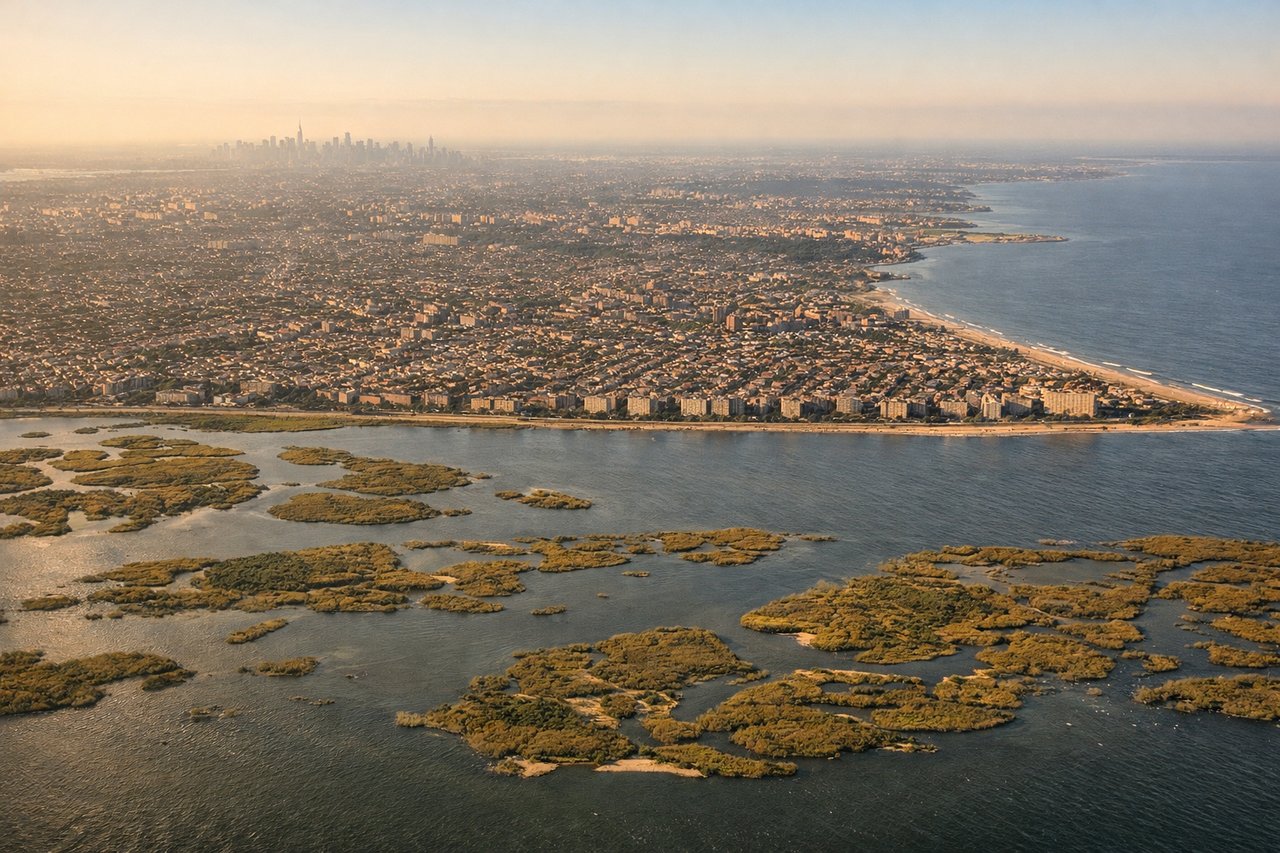
LEFTJFK primarily uses runways 31L/31R for arrivals from the south, meaning aircraft approach from the southeast over Jamaica Bay and Long Island. The left side faces Manhattan and the New York Harbor, giving you the full skyline, the Verrazano-Narrows Bridge, and the Hudson River. The right side looks toward the Atlantic Ocean and suburban Long Island with little of interest.
Will your flight be in sunlight?
Pick a date and time in the Sun Map to watch the sun move across your whole flight.
About This Route
Which side of the plane should I sit on flying from Juan Santamaria International (SJO) to John F Kennedy International (JFK)?
Sit on the Left side of the plane for the best views on flights from San Jose to New York. Left side wins both the departure and arrival. Over the flight itself, the left side also tracks closer to the Caribbean coastline of Central America during the initial climb-out, and on the descent into New York delivers the most iconic urban geography in the world.
What can I see during takeoff from Juan Santamaria International in San Jose?
During takeoff from Juan Santamaria International (SJO), sit on the Left side for the best views. SJO's primary departure runway is 07, meaning aircraft climb out heading east then turn north. The left (north) side gives you a clear view of the Central Valley, San Jose city sprawl, and the Irazú and Turrialba volcanoes rising above the valley floor. The right side faces south toward the Talamanca Range but you're banking away from it quickly. Notable sights include: Volcán Irazú (3,432m), Volcán Turrialba (3,340m), the Central Valley urban corridor, Lago de Cachi reservoir to the east.
What can I see when landing at John F Kennedy International in New York?
When landing at John F Kennedy International (JFK), sit on the Left side for the best views. JFK primarily uses runways 31L/31R for arrivals from the south, meaning aircraft approach from the southeast over Jamaica Bay and Long Island. The left side faces Manhattan and the New York Harbor, giving you the full skyline, the Verrazano-Narrows Bridge, and the Hudson River. The right side looks toward the Atlantic Ocean and suburban Long Island with little of interest. Notable sights include: Manhattan skyline, Jamaica Bay, Verrazano-Narrows Bridge, the Hudson River and New Jersey Palisades beyond.
How long is the flight from San Jose to New York?
The flight from Juan Santamaria International (SJO) to John F Kennedy International (JFK) takes about 5 hours 45 minutes. The shortest flight path between them is 2,211 miles (3,559 km); winds and air traffic control usually add a few percent.
What does the San Jose to New York flight path pass over?
After leaving Costa Rica the route passes over Nicaragua and Honduras, then crosses the Yucatán Peninsula of Mexico, the Gulf of Mexico, Cuba or the Florida Straits depending on routing, then up the US East Coast over Florida, the Carolinas, and the Mid-Atlantic states before descending into New York. The Gulf of Mexico crossing and the Florida coastline are the most visually distinctive midpoint features.