The left side wins primarily due to the dramatic Adriatic coastline and Dalmatian islands during takeoff from Split, plus a slightly more textured polder-and-water view on the Amsterdam approach, while the right side offers comparatively flat and repetitive terrain for most of the flight.
Flight Path
The route crosses the Julian Alps near Slovenia and Austria, then passes over the flat farmland of southern Germany before descending into the low-lying Dutch delta region.
Great circle distance and headings ›


Phase by phase
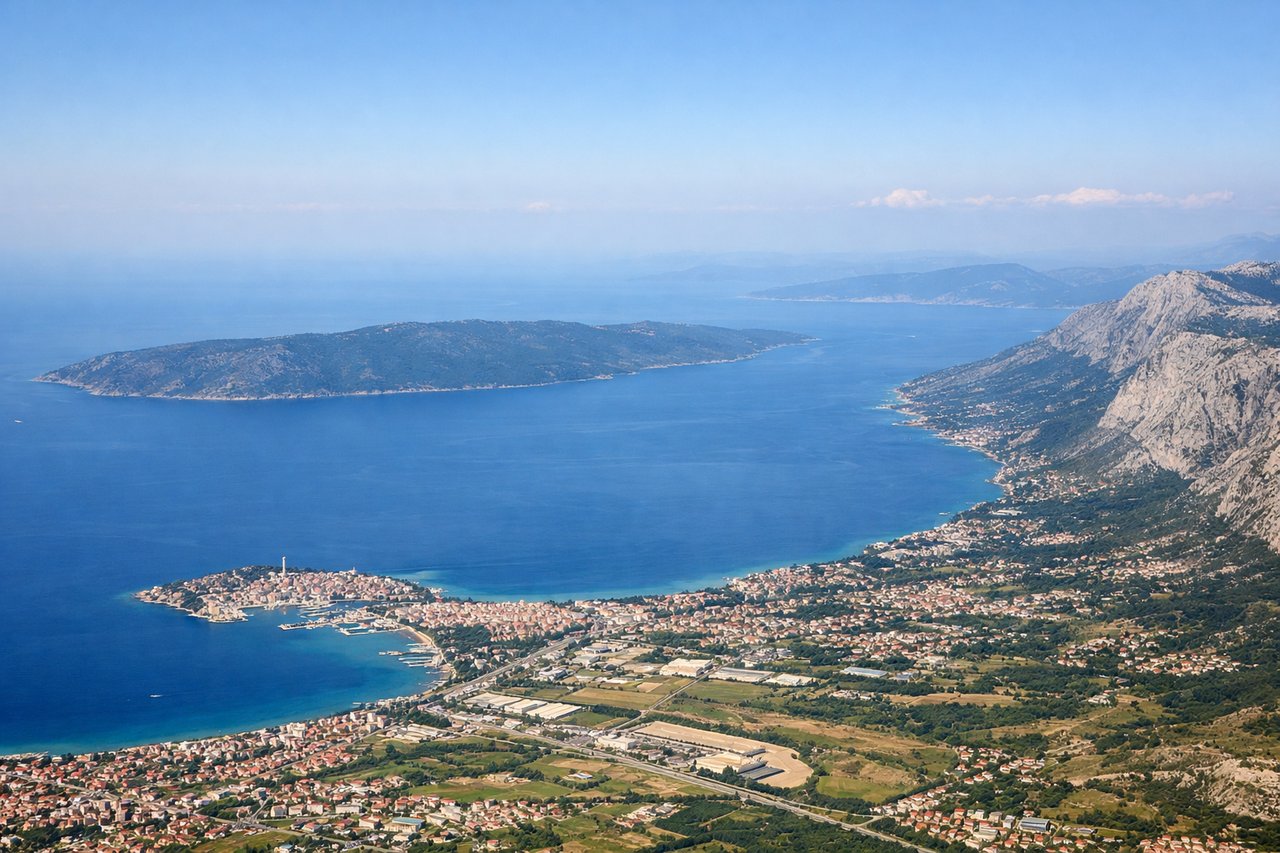
Takeoff from SPU
LEFTDeparting Split, the left side captures the Dalmatian coastline and islands as the aircraft climbs out over the Adriatic before turning onto its northwest heading. The right side mostly shows the inland Dinaric mountains, which are less distinct at climb altitude.
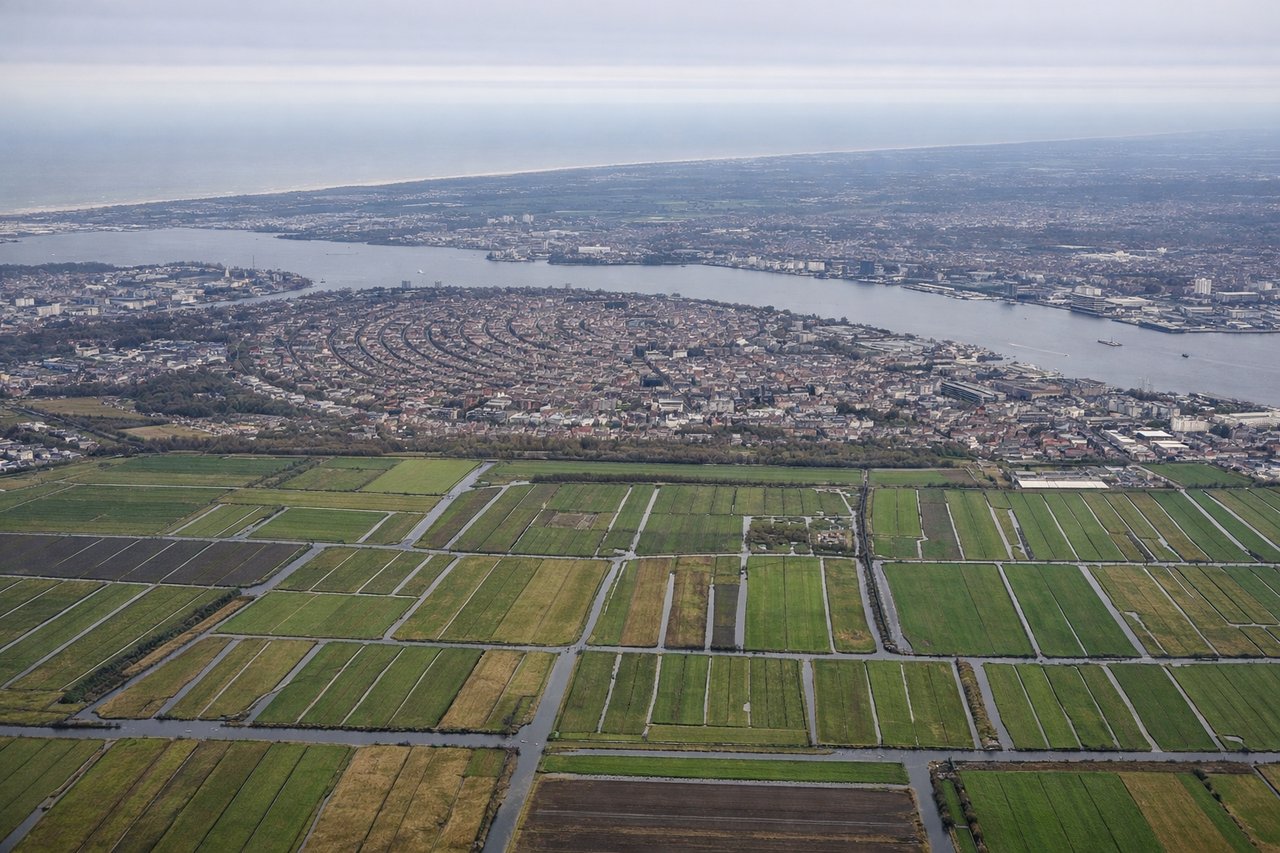
Landing at AMS
LEFTOn approach into Schiphol from the southeast, the left side offers views over the flat Dutch polder landscape and glimpses of the IJsselmeer's edge before the final turn onto the Polderbaan or Zwanenburgbaan. The right side is dominated by featureless farmland with no distinguishing water or urban features.
Landmarks on this routeAll landmarks →
Will your flight be in sunlight?
See exactly which side of the plane gets sun and shade at your departure time.
About This Route
Which side of the plane should I sit on flying from Split (SPU) to Schiphol (AMS)?
Sit on the Left side of the plane for the best views on flights from Split to Amsterdam. The left side wins primarily due to the dramatic Adriatic coastline and Dalmatian islands during takeoff from Split, plus a slightly more textured polder-and-water view on the Amsterdam approach, while the right side offers comparatively flat and repetitive terrain for most of the flight.
What can I see during takeoff from Split in Split?
During takeoff from Split (SPU), sit on the Left side for the best views. Departing Split, the left side captures the Dalmatian coastline and islands as the aircraft climbs out over the Adriatic before turning onto its northwest heading. The right side mostly shows the inland Dinaric mountains, which are less distinct at climb altitude. Notable sights include: Split harbor and old town, Brač and Šolta islands, Adriatic coastline, Kozjak mountain ridge inland.
What can I see when landing at Schiphol in Amsterdam?
When landing at Schiphol (AMS), sit on the Left side for the best views. On approach into Schiphol from the southeast, the left side offers views over the flat Dutch polder landscape and glimpses of the IJsselmeer's edge before the final turn onto the Polderbaan or Zwanenburgbaan. The right side is dominated by featureless farmland with no distinguishing water or urban features. Notable sights include: Dutch polder fields, canal grid patterns, edge of IJsselmeer, Schiphol runway complex.
How long is the flight from Split to Amsterdam?
The flight from Split (SPU) to Schiphol (AMS) takes 2h 20m.
What does the Split to Amsterdam flight path pass over?
The route crosses the Julian Alps near Slovenia and Austria, then passes over the flat farmland of southern Germany before descending into the low-lying Dutch delta region.