While the right side offers a brief but striking view of London at takeoff, the left side provides a more sustained and dramatic payoff during the descent into Marrakech, where the Atlas Mountains dominate the horizon just before landing.
Flown STN to RAK? Did we get it right?
Flight Path
London to Marrakech is 1,462 miles (2,353 km), a flight of about 3 hours 35 minutes.
Route crosses the English Channel near Normandy, continues over western France and the Bay of Biscay, then passes over central Spain before crossing into Morocco near the Strait of Gibraltar, approaching the Atlas Mountains near Marrakech.
Great circle distance and headings ›


Phase by phase
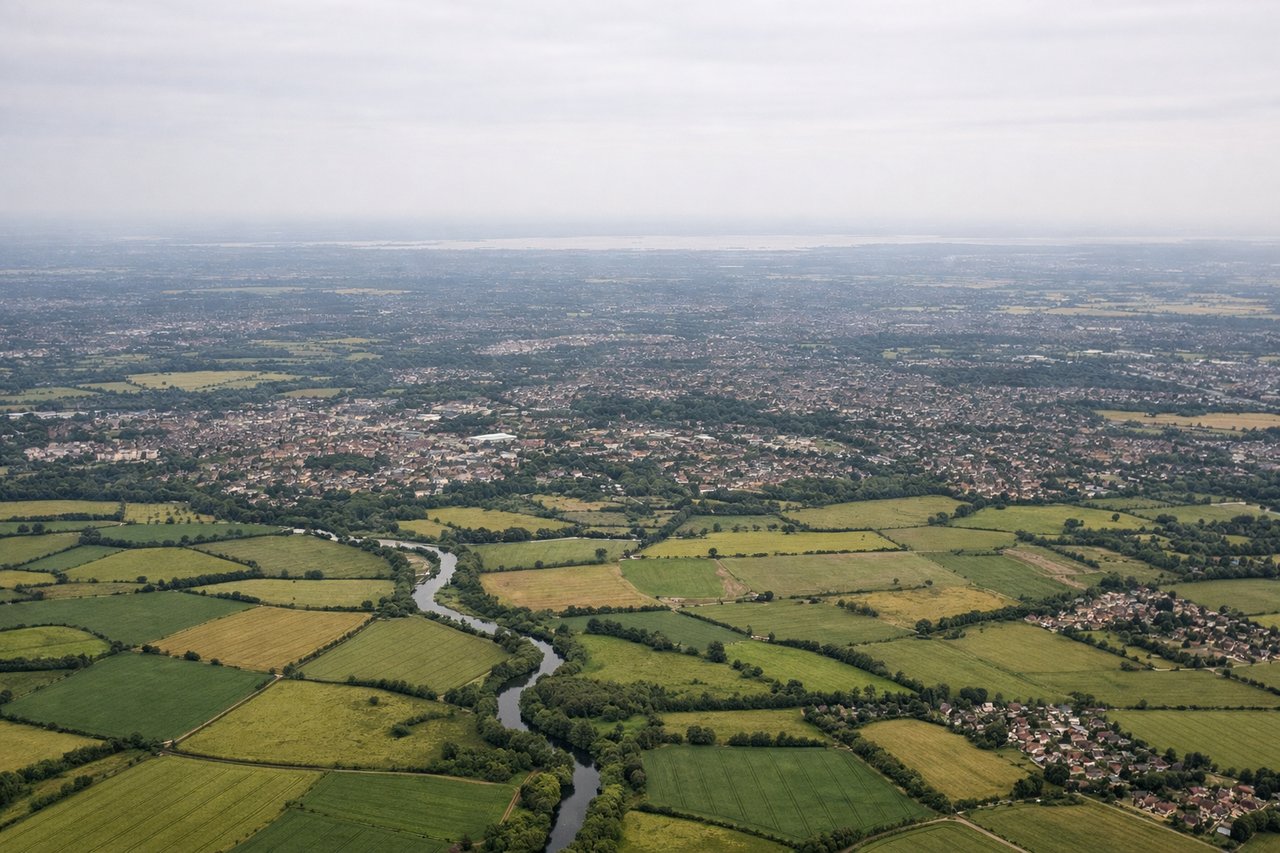
Takeoff from STN
RIGHTDeparting Stansted on runway 22, the aircraft's track passes close to London before turning south, putting the Thames and the city's skyline on the right side of the cabin. The left side only shows the flat, uniform patchwork of Essex and Hertfordshire farmland.

Landing at RAK
LEFTOn approach to Marrakech's runway 28, the aircraft comes in from the east and turns to land heading west, placing the Atlas Mountains—rising abruptly south of the city—on the left side of the aircraft. The right side mainly shows the flatter Haouz plain and northern suburbs.
Will your flight be in sunlight?
Pick a date and time in the Sun Map to watch the sun move across your whole flight.
About This Route
Which side of the plane should I sit on flying from Stansted (STN) to Menara (RAK)?
Sit on the Left side of the plane for the best views on flights from London to Marrakech. While the right side offers a brief but striking view of London at takeoff, the left side provides a more sustained and dramatic payoff during the descent into Marrakech, where the Atlas Mountains dominate the horizon just before landing.
What can I see during takeoff from Stansted in London?
During takeoff from Stansted (STN), sit on the Right side for the best views. Departing Stansted on runway 22, the aircraft's track passes close to London before turning south, putting the Thames and the city's skyline on the right side of the cabin. The left side only shows the flat, uniform patchwork of Essex and Hertfordshire farmland. Notable sights include: River Thames, Canary Wharf towers, The Shard, Greater London urban sprawl.
What can I see when landing at Menara in Marrakech?
When landing at Menara (RAK), sit on the Left side for the best views. On approach to Marrakech's runway 28, the aircraft comes in from the east and turns to land heading west, placing the Atlas Mountains—rising abruptly south of the city—on the left side of the aircraft. The right side mainly shows the flatter Haouz plain and northern suburbs. Notable sights include: Atlas Mountains foothills, Ourika Valley, Marrakech's palm groves (palmeraie), red city walls of the medina.
How long is the flight from London to Marrakech?
The flight from Stansted (STN) to Menara (RAK) takes about 3 hours 35 minutes. The shortest flight path between them is 1,462 miles (2,353 km); winds and air traffic control usually add a few percent.
What does the London to Marrakech flight path pass over?
Route crosses the English Channel near Normandy, continues over western France and the Bay of Biscay, then passes over central Spain before crossing into Morocco near the Strait of Gibraltar, approaching the Atlas Mountains near Marrakech.