Left side scores higher due to the dramatic Caucasus Mountains during takeoff and the sustained visual interest of mountainous terrain during the cruise phase over Turkey and the Balkans. While Amsterdam's polder landscape on the right is distinctive, it cannot match the alpine scenery that dominates most of the flight path. The left side benefits from genuine terrain drama (mountains, valleys, coastlines) versus the right side's predominantly flat or ocean views.
Flown TBS to AMS? Did we get it right?
Flight Path
Tbilisi to Amsterdam is 2,001 miles (3,220 km), a flight of about 4 hours 50 minutes.
Greater Caucasus Mountains (departure), Anatolian Plateau and Turkish highlands (central Turkey), Taurus Mountains (southern Turkey), Aegean Sea coastline (Greece), Balkans mountain chain (Albania/North Macedonia), Danube River valley (Serbia/Romania), Carpathian Mountains (Romania), Hungarian Plain, and final approach over Dutch polders and Markermeer lake
Great circle distance and headings ›Phase by phase
Takeoff from TBS
LEFTLeft side captures Tbilisi's urban sprawl and the Mtkvari River valley during initial climb, with the Greater Caucasus Mountains rising dramatically to the north. Right side faces open plains with minimal immediate visual interest.
Landing at AMS
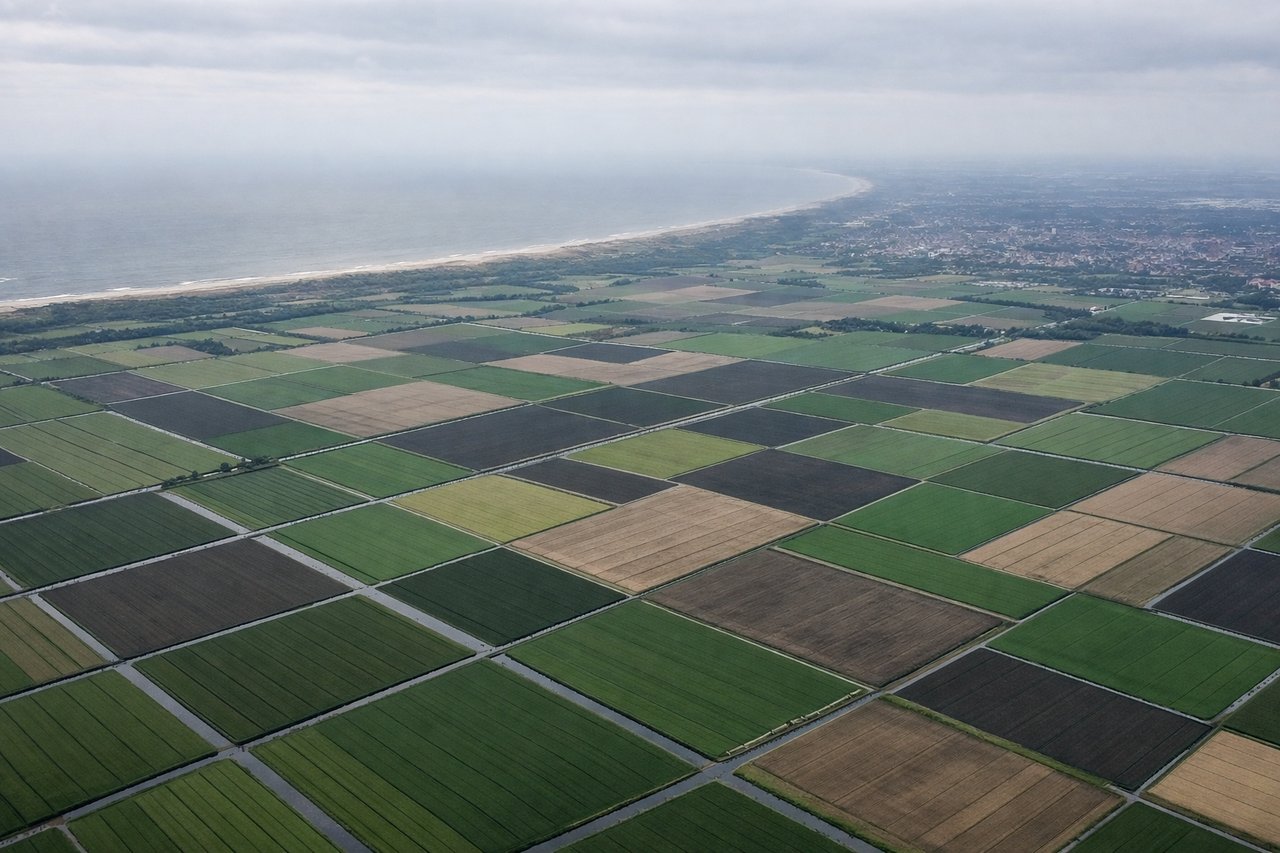
RIGHTRight side (north/northeast approach) offers views of the Dutch polder landscape, canals, and the distinctive geometric field patterns characteristic of the Netherlands. Left side faces the North Sea with minimal scenic variation during final descent.
Will your flight be in sunlight?
Pick a date and time in the Sun Map to watch the sun move across your whole flight.
About This Route
Which side of the plane should I sit on flying from Tbilisi International Airport (TBS) to Schiphol (AMS)?
Sit on the Left side of the plane for the best views on flights from Tbilisi to Amsterdam. Left side scores higher due to the dramatic Caucasus Mountains during takeoff and the sustained visual interest of mountainous terrain during the cruise phase over Turkey and the Balkans. While Amsterdam's polder landscape on the right is distinctive, it cannot match the alpine scenery that dominates most of the flight path. The left side benefits from genuine terrain drama (mountains, valleys, coastlines) versus the right side's predominantly flat or ocean views.
What can I see during takeoff from Tbilisi International Airport in Tbilisi?
During takeoff from Tbilisi International Airport (TBS), sit on the Left side for the best views. Left side captures Tbilisi's urban sprawl and the Mtkvari River valley during initial climb, with the Greater Caucasus Mountains rising dramatically to the north. Right side faces open plains with minimal immediate visual interest. Notable sights include: Mtkvari River winding through Tbilisi, Greater Caucasus Mountains (north), Tbilisi city grid and Narikala Fortress area.
What can I see when landing at Schiphol in Amsterdam?
When landing at Schiphol (AMS), sit on the Right side for the best views. Right side (north/northeast approach) offers views of the Dutch polder landscape, canals, and the distinctive geometric field patterns characteristic of the Netherlands. Left side faces the North Sea with minimal scenic variation during final descent. Notable sights include: Amsterdam's canal network and city center, Markermeer lake, Dutch polder fields with geometric canal systems, Schiphol's surrounding reclaimed land.
How long is the flight from Tbilisi to Amsterdam?
The flight from Tbilisi International Airport (TBS) to Schiphol (AMS) takes about 4 hours 50 minutes. The shortest flight path between them is 2,001 miles (3,220 km); winds and air traffic control usually add a few percent.
What does the Tbilisi to Amsterdam flight path pass over?
Greater Caucasus Mountains (departure), Anatolian Plateau and Turkish highlands (central Turkey), Taurus Mountains (southern Turkey), Aegean Sea coastline (Greece), Balkans mountain chain (Albania/North Macedonia), Danube River valley (Serbia/Romania), Carpathian Mountains (Romania), Hungarian Plain, and final approach over Dutch polders and Markermeer lake