While the takeoff from Tromsø favors the right side, the landing approach into Amsterdam from the left provides more extensive and visually distinctive scenery—the Ijsselmeer and the iconic Dutch polder landscape are more dramatic and recognizable than the Arctic fjords visible on departure. The left side wins overall for this route.
Flight Path
The flight path crosses the North Sea and passes over or near the Frisian Islands (off the coast of northern Germany and Denmark), the Kattegat strait between Denmark and Sweden, and the Skagerrak strait. Over mainland Europe, the aircraft passes over southern Sweden, Denmark, and northern Germany before descending into the Netherlands. The North Sea crossing offers open water views with occasional glimpses of shipping traffic and distant coastlines. The Scandinavian landmass shows forests, lakes, and river valleys typical of the boreal and temperate zones.
Great circle distance and headings ›


Phase by phase
Takeoff from TOS
RIGHTRight-side seats offer views of Tromsøya island and the surrounding Arctic fjord system as the aircraft climbs southward. The dramatic coastal topography and islands of northern Norway are best viewed from the right wing during departure.
Landing at AMS
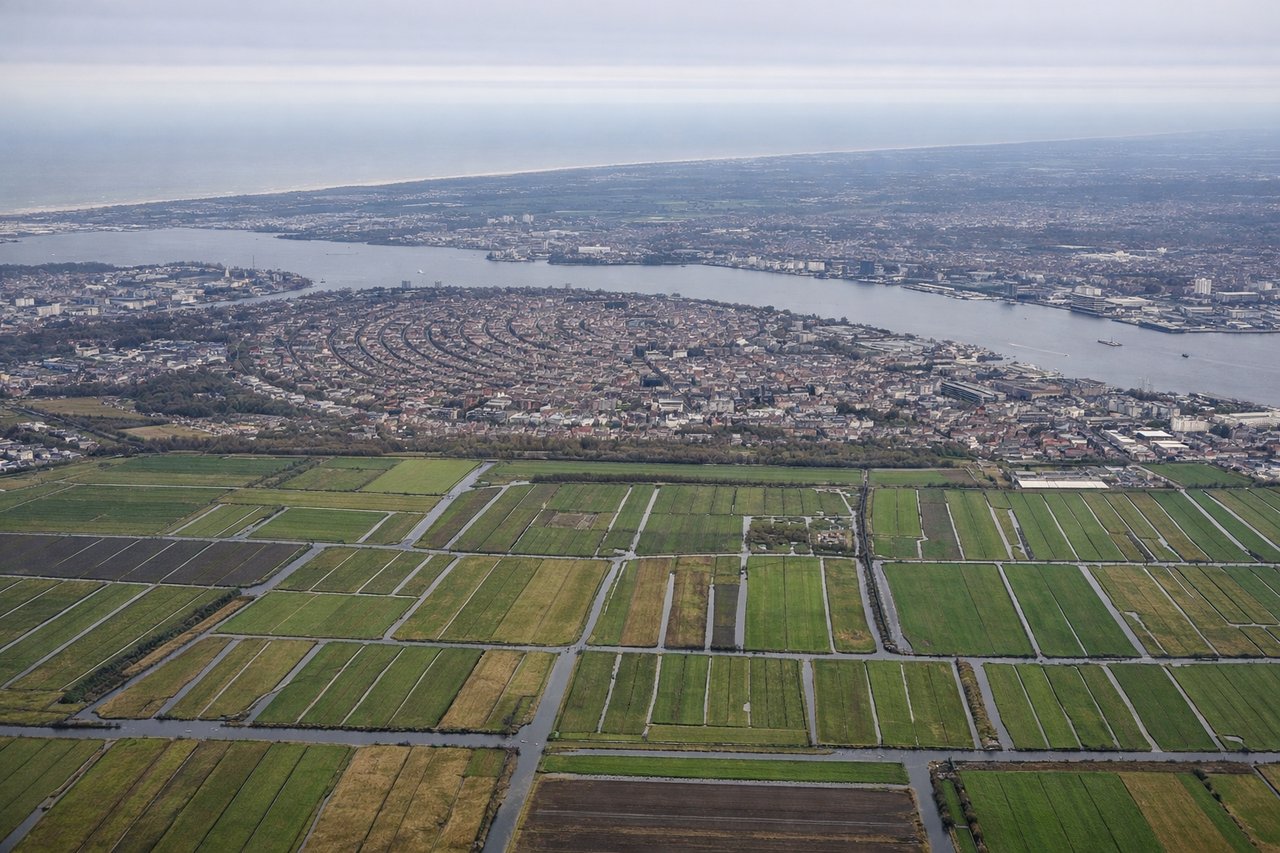
LEFTLeft-side seats provide excellent views during the final approach into Amsterdam. As the aircraft descends over the Netherlands, the left wing reveals the Ijsselmeer (the large inland lake), the Dutch polder landscape with its distinctive grid of waterways and fields, and the urban sprawl of Amsterdam and surrounding cities.
Landmarks on this routeAll landmarks →
Will your flight be in sunlight?
See exactly which side of the plane gets sun and shade at your departure time.
About This Route
Which side of the plane should I sit on flying from Tromso (TOS) to Schiphol (AMS)?
Sit on the Left side of the plane for the best views on flights from Tromso to Amsterdam. While the takeoff from Tromsø favors the right side, the landing approach into Amsterdam from the left provides more extensive and visually distinctive scenery—the Ijsselmeer and the iconic Dutch polder landscape are more dramatic and recognizable than the Arctic fjords visible on departure. The left side wins overall for this route.
What can I see during takeoff from Tromso in Tromso?
During takeoff from Tromso (TOS), sit on the Right side for the best views. Right-side seats offer views of Tromsøya island and the surrounding Arctic fjord system as the aircraft climbs southward. The dramatic coastal topography and islands of northern Norway are best viewed from the right wing during departure. Notable sights include: Tromsøya island, Ullsfjorden, Kvaløya island, Lyngen Alps (distant southeast).
What can I see when landing at Schiphol in Amsterdam?
When landing at Schiphol (AMS), sit on the Left side for the best views. Left-side seats provide excellent views during the final approach into Amsterdam. As the aircraft descends over the Netherlands, the left wing reveals the Ijsselmeer (the large inland lake), the Dutch polder landscape with its distinctive grid of waterways and fields, and the urban sprawl of Amsterdam and surrounding cities. Notable sights include: Ijsselmeer lake, Dutch polder fields and canal network, Amsterdam city center and port, North Sea coast (distant).
How long is the flight from Tromso to Amsterdam?
The flight from Tromso (TOS) to Schiphol (AMS) takes Approximately 4 hours 15 minutes.
What does the Tromso to Amsterdam flight path pass over?
The flight path crosses the North Sea and passes over or near the Frisian Islands (off the coast of northern Germany and Denmark), the Kattegat strait between Denmark and Sweden, and the Skagerrak strait. Over mainland Europe, the aircraft passes over southern Sweden, Denmark, and northern Germany before descending into the Netherlands. The North Sea crossing offers open water views with occasional glimpses of shipping traffic and distant coastlines. The Scandinavian landmass shows forests, lakes, and river valleys typical of the boreal and temperate zones.