Both sides get a scenic bookend—Taipei's skyline on departure to the right, Mount Fuji and Tokyo Bay on arrival to the left—but the Fuji view is the more iconic and widely sought-after sight, and the cruise portion over the East China Sea and Pacific is equally featureless for both sides, so the left side's landing payoff tips the balance.
Flown TPE to NRT? Did we get it right?
Flight Path
Taipei to Tokyo is 1,355 miles (2,181 km), a flight of about 3 hours 15 minutes.
Open water over the East China Sea and western Pacific, passing north of Okinawa and near the Amami Islands before approaching the Japanese coast; no major landmasses are close enough to see clearly for most of the cruise.
Great circle distance and headings ›

Phase by phase
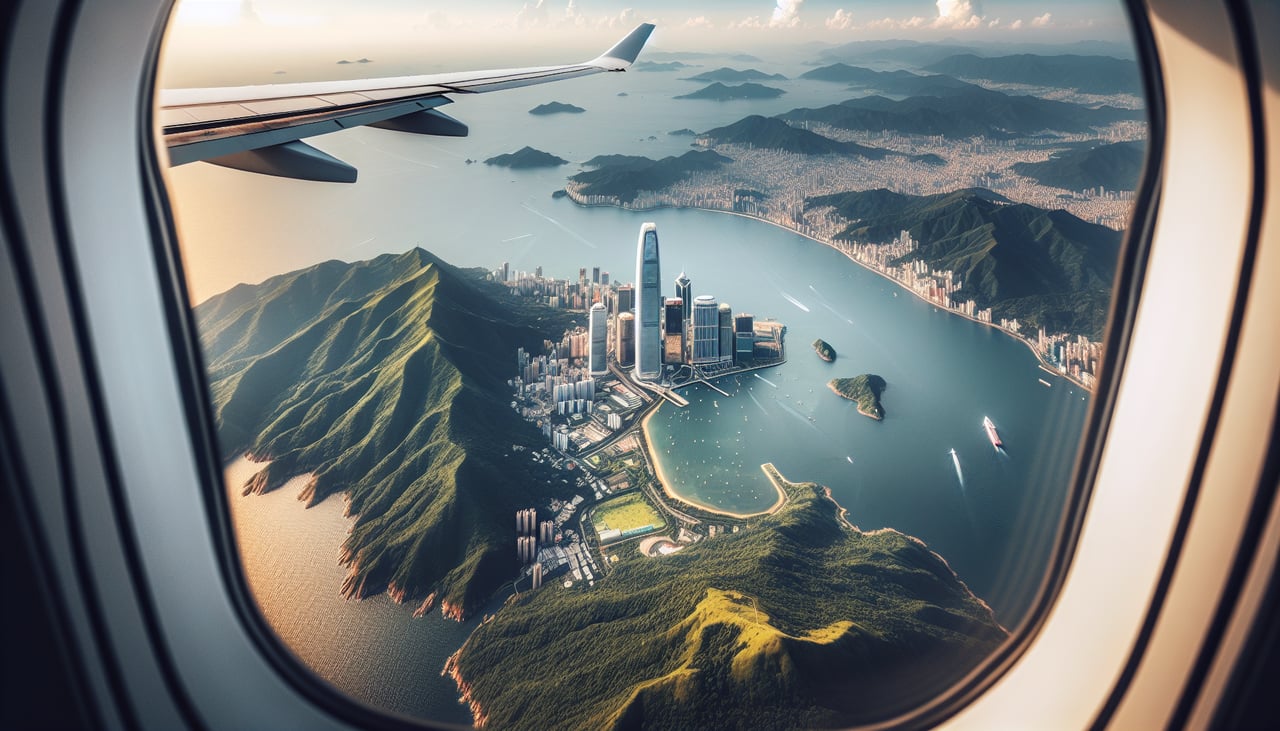
Takeoff from TPE
RIGHTDeparting Taoyuan toward the northeast, the right side faces south across the Taipei Basin, giving a good look at Taipei's skyline (including Taipei 101) and the Tamsui River before the terrain rises toward Taiwan's central mountains. The left side mostly shows the Keelung coastline and open Taiwan Strait, which is far less distinctive.
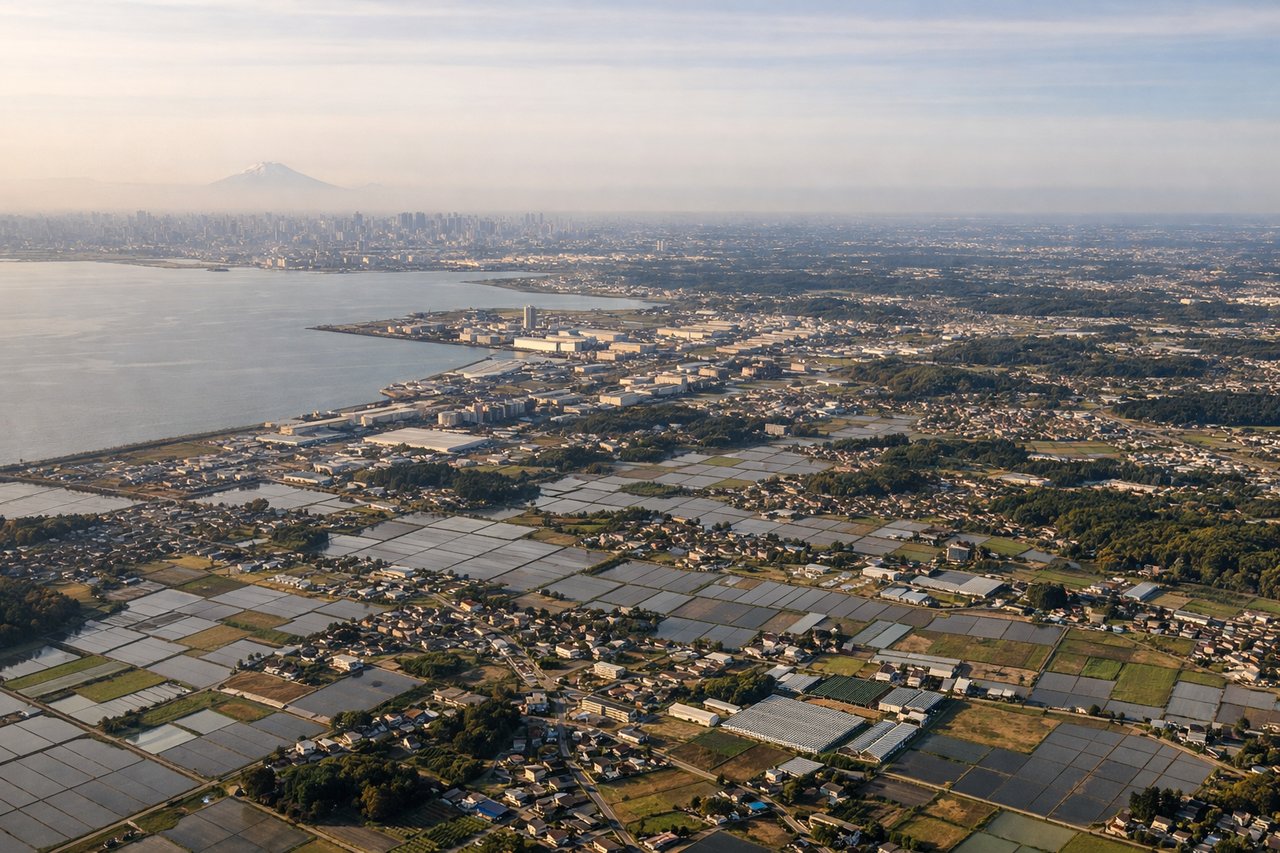
Landing at NRT
LEFTArriving at Narita from the south, aircraft typically line up on runway 34 heading north, putting the west side of the plane on the left. On clear days this offers a classic view of Mount Fuji's cone rising above the Kanto Plain, along with Tokyo Bay and the city skyline in the distance. The right side instead faces the Pacific and the flatter Boso Peninsula coastline, which is comparatively unremarkable.
Will your flight be in sunlight?
Pick a date and time in the Sun Map to watch the sun move across your whole flight.
About This Route
Which side of the plane should I sit on flying from Chiang Kai Shek International (TPE) to New Tokyo International (NRT)?
Sit on the Left side of the plane for the best views on flights from Taipei to Tokyo. Both sides get a scenic bookend—Taipei's skyline on departure to the right, Mount Fuji and Tokyo Bay on arrival to the left—but the Fuji view is the more iconic and widely sought-after sight, and the cruise portion over the East China Sea and Pacific is equally featureless for both sides, so the left side's landing payoff tips the balance.
What can I see during takeoff from Chiang Kai Shek International in Taipei?
During takeoff from Chiang Kai Shek International (TPE), sit on the Right side for the best views. Departing Taoyuan toward the northeast, the right side faces south across the Taipei Basin, giving a good look at Taipei's skyline (including Taipei 101) and the Tamsui River before the terrain rises toward Taiwan's central mountains. The left side mostly shows the Keelung coastline and open Taiwan Strait, which is far less distinctive. Notable sights include: Taipei 101 and Taipei Basin, Tamsui River, distant Xueshan (Snow Mountain) range foothills.
What can I see when landing at New Tokyo International in Tokyo?
When landing at New Tokyo International (NRT), sit on the Left side for the best views. Arriving at Narita from the south, aircraft typically line up on runway 34 heading north, putting the west side of the plane on the left. On clear days this offers a classic view of Mount Fuji's cone rising above the Kanto Plain, along with Tokyo Bay and the city skyline in the distance. The right side instead faces the Pacific and the flatter Boso Peninsula coastline, which is comparatively unremarkable. Notable sights include: Mount Fuji, Tokyo Bay, Tokyo skyline, Chiba/Kanto Plain farmland.
How long is the flight from Taipei to Tokyo?
The flight from Chiang Kai Shek International (TPE) to New Tokyo International (NRT) takes about 3 hours 15 minutes. The shortest flight path between them is 1,355 miles (2,181 km); winds and air traffic control usually add a few percent.
What does the Taipei to Tokyo flight path pass over?
Open water over the East China Sea and western Pacific, passing north of Okinawa and near the Amami Islands before approaching the Japanese coast; no major landmasses are close enough to see clearly for most of the cruise.