Wuhan to New York is 7,476 miles (12,032 km), a flight of about 15 hours 30 minutes.
The right side captures the dramatic Yangtze River departure from Wuhan, while the left side dominates the approach to JFK. However, right-side seats offer the more visually distinctive and continuous scenic experience during the initial climb-out phase, which is typically when passengers are most engaged with window views.
Flight Path
The flight path crosses the Eurasian continent, passing over or near: the Tian Shan and Altai mountain ranges (northern route) or the Himalayas and Hindu Kush (southern route depending on winds and routing); the Caspian Sea region; Eastern European plains; and the Atlantic Ocean. Most of the mid-flight duration occurs over ocean or sparsely populated terrain with limited distinctive landmarks visible from cruising altitude.
Great circle distance and headings ›


.jpeg?width=600)
.jpg?width=600)
Phase by phase
Takeoff from WUH
RIGHTRight side offers views of the Yangtze River as it curves through Wuhan's urban landscape during climb-out. The river's distinctive meanders and the city's layout along its banks are clearly visible from 5,000–15,000 feet.
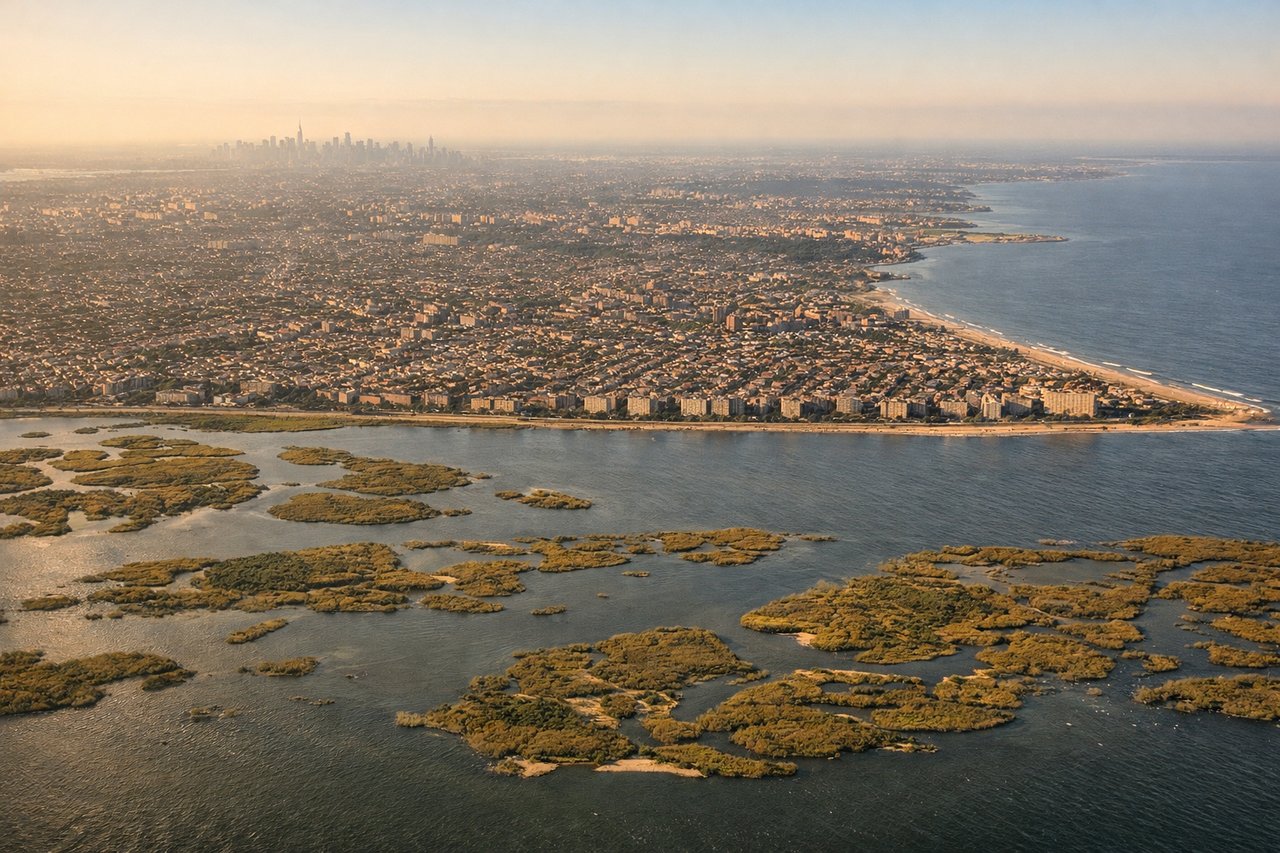
Landing at JFK
LEFTLeft side provides excellent views of the Hudson River, Manhattan's distinctive grid pattern, and the East River during descent into JFK. The approach typically brings the aircraft over the New York City area, making the left side ideal for viewing the urban landscape and waterways.
Landmarks on this routeAll landmarks →
Will your flight be in sunlight?
Pick a date and time in the Sun Map to watch the sun move across your whole flight.
About This Route
Which side of the plane should I sit on flying from Tianhe (WUH) to John F Kennedy International (JFK)?
Sit on the Right side of the plane for the best views on flights from Wuhan to New York. The right side captures the dramatic Yangtze River departure from Wuhan, while the left side dominates the approach to JFK. However, right-side seats offer the more visually distinctive and continuous scenic experience during the initial climb-out phase, which is typically when passengers are most engaged with window views.
What can I see during takeoff from Tianhe in Wuhan?
During takeoff from Tianhe (WUH), sit on the Right side for the best views. Right side offers views of the Yangtze River as it curves through Wuhan's urban landscape during climb-out. The river's distinctive meanders and the city's layout along its banks are clearly visible from 5,000–15,000 feet. Notable sights include: Yangtze River (main channel and meanders), Wuhan urban districts (Hankou, Hanyang, Wuchang separated by water), East Lake (Donghu) to the east.
What can I see when landing at John F Kennedy International in New York?
When landing at John F Kennedy International (JFK), sit on the Left side for the best views. Left side provides excellent views of the Hudson River, Manhattan's distinctive grid pattern, and the East River during descent into JFK. The approach typically brings the aircraft over the New York City area, making the left side ideal for viewing the urban landscape and waterways. Notable sights include: Hudson River (west side of Manhattan), East River (between Manhattan and Queens), Manhattan's urban grid and skyline, Jamaica Bay and surrounding wetlands.
How long is the flight from Wuhan to New York?
The flight from Tianhe (WUH) to John F Kennedy International (JFK) takes about 15 hours 30 minutes. The shortest flight path between them is 7,476 miles (12,032 km); winds and air traffic control usually add a few percent.
What does the Wuhan to New York flight path pass over?
The flight path crosses the Eurasian continent, passing over or near: the Tian Shan and Altai mountain ranges (northern route) or the Himalayas and Hindu Kush (southern route depending on winds and routing); the Caspian Sea region; Eastern European plains; and the Atlantic Ocean. Most of the mid-flight duration occurs over ocean or sparsely populated terrain with limited distinctive landmarks visible from cruising altitude.