While the right side offers better views during takeoff from Singapore, the left side provides superior scenery during the critical landing phase into Manchester, where the Pennines and Greater Manchester's urban-rural contrast create more dramatic and visually interesting geography. The landing experience outweighs the takeoff advantage.
Flown XSP to MAN? Did we get it right?
Flight Path
Singapore to Manchester is 6,799 miles (10,942 km), a flight of about 13 hours 30 minutes.
The flight path crosses the Arabian Sea, the Arabian Peninsula (with views of Oman's coastal mountains and the Hajar range), the Persian Gulf region, Iraq and Syria, the Mediterranean Sea, and southern Europe. Notable midpoint landmarks include the Strait of Hormuz, the Zagros Mountains (Iran), the Taurus Mountains (Turkey), and the Alps (France/Switzerland border region). The route typically passes south of the Caucasus and north of the Sahara, offering extended views of desert terrain and mountain ranges across the Middle East and Mediterranean regions.
Great circle distance and headings ›


Phase by phase

Takeoff from XSP
RIGHTRight-side seats offer views of the Strait of Malacca and the Malaysian Peninsula as the aircraft climbs northwestward from Seletar. The strait's shipping lanes and coastal geography provide clear visual reference points during the initial climb.
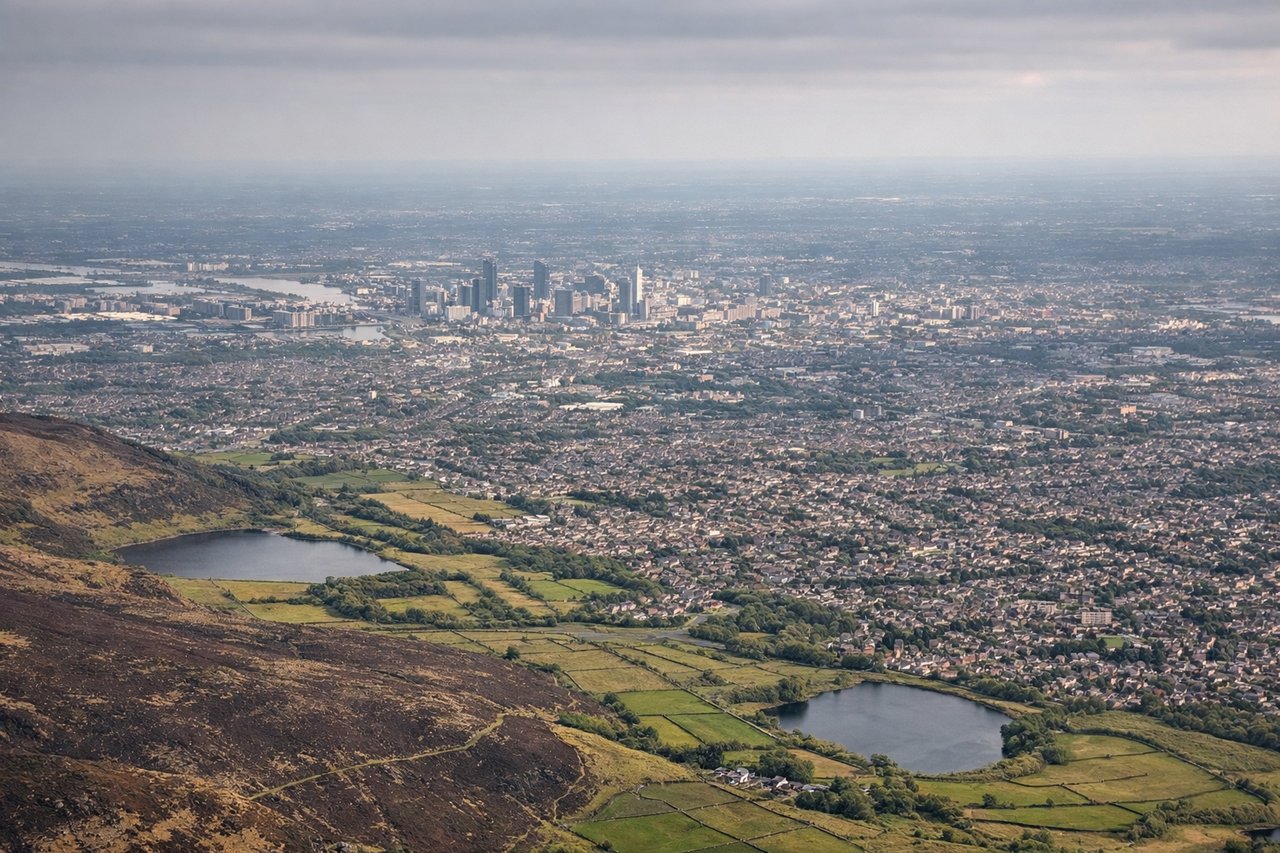
Landing at MAN
LEFTLeft-side seats provide excellent views during the descent into Manchester, particularly of the Pennine Hills and the Greater Manchester urban sprawl. The approach typically brings aircraft over the Cheshire Plain with views of the industrial landscape and surrounding moorland.
Will your flight be in sunlight?
Pick a date and time in the Sun Map to watch the sun move across your whole flight.
About This Route
Which side of the plane should I sit on flying from Seletar (XSP) to Manchester (MAN)?
Sit on the Left side of the plane for the best views on flights from Singapore to Manchester. While the right side offers better views during takeoff from Singapore, the left side provides superior scenery during the critical landing phase into Manchester, where the Pennines and Greater Manchester's urban-rural contrast create more dramatic and visually interesting geography. The landing experience outweighs the takeoff advantage.
What can I see during takeoff from Seletar in Singapore?
During takeoff from Seletar (XSP), sit on the Right side for the best views. Right-side seats offer views of the Strait of Malacca and the Malaysian Peninsula as the aircraft climbs northwestward from Seletar. The strait's shipping lanes and coastal geography provide clear visual reference points during the initial climb. Notable sights include: Strait of Malacca, Johor Bahru urban area, Malaysian Peninsula coastline, Sumatra (distant).
What can I see when landing at Manchester in Manchester?
When landing at Manchester (MAN), sit on the Left side for the best views. Left-side seats provide excellent views during the descent into Manchester, particularly of the Pennine Hills and the Greater Manchester urban sprawl. The approach typically brings aircraft over the Cheshire Plain with views of the industrial landscape and surrounding moorland. Notable sights include: Pennine Hills, Greater Manchester conurbation, Cheshire Plain, Peak District (distant).
How long is the flight from Singapore to Manchester?
The flight from Seletar (XSP) to Manchester (MAN) takes about 13 hours 30 minutes. The shortest flight path between them is 6,799 miles (10,942 km); winds and air traffic control usually add a few percent.
What does the Singapore to Manchester flight path pass over?
The flight path crosses the Arabian Sea, the Arabian Peninsula (with views of Oman's coastal mountains and the Hajar range), the Persian Gulf region, Iraq and Syria, the Mediterranean Sea, and southern Europe. Notable midpoint landmarks include the Strait of Hormuz, the Zagros Mountains (Iran), the Taurus Mountains (Turkey), and the Alps (France/Switzerland border region). The route typically passes south of the Caucasus and north of the Sahara, offering extended views of desert terrain and mountain ranges across the Middle East and Mediterranean regions.