Right side captures the most visually distinctive segments: the St. Lawrence River and Laurentian Mountains during departure, and the Persian Gulf and Dubai's iconic Palm Jumeirah during arrival. These landmarks are more dramatic than left-side alternatives.
Flown YHU to DXB? Did we get it right?
Flight Path
Montreal to Dubai is 6,586 miles (10,599 km), a flight of about 14 hours.
The flight path crosses the Atlantic Ocean (no landmarks visible for 6-7 hours), then passes over the British Isles and Western Europe (Greenland and Iceland are typically south of the route). Over continental Europe, the Alps and Mediterranean coastline may be visible depending on exact routing. The flight then crosses the Mediterranean Sea, with potential views of North Africa (Atlas Mountains, Sahara Desert) before entering Middle Eastern airspace. The final approach crosses the Arabian Peninsula, with views of the Hajar Mountains and the UAE desert landscape before reaching the Persian Gulf coast.
Great circle distance and headings ›


Phase by phase
Takeoff from YHU
RIGHTRight side offers views of the St. Lawrence River valley and the Laurentian Mountains as the aircraft climbs northeast. Left side faces inland toward less distinctive terrain.
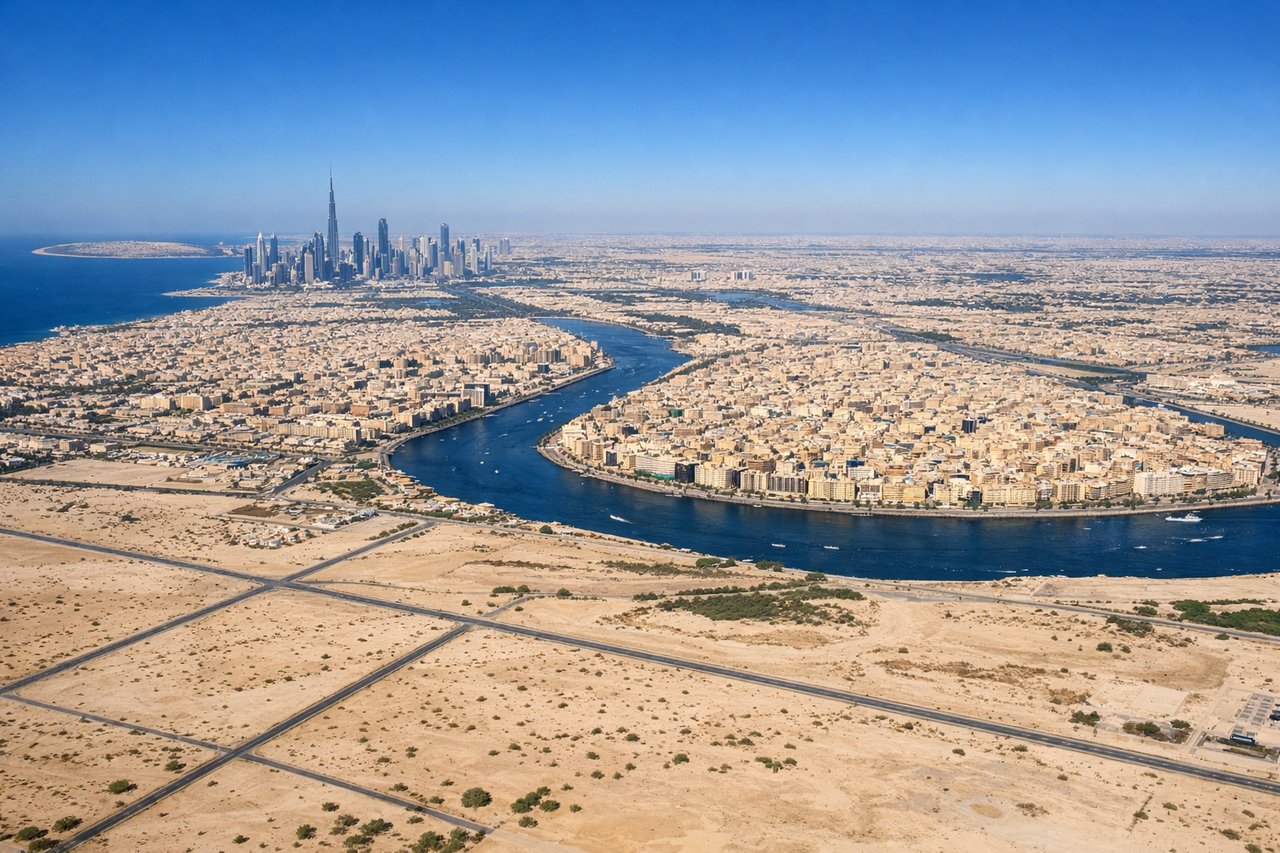
Landing at DXB
LEFTLeft side provides views of the Persian Gulf coastline, Dubai's Palm Jumeirah artificial islands, and the Dubai Marina as the aircraft descends toward DXB. Right side faces inland toward the desert with fewer distinctive features.
Will your flight be in sunlight?
Pick a date and time in the Sun Map to watch the sun move across your whole flight.
About This Route
Which side of the plane should I sit on flying from St Hubert (YHU) to Dubai International (DXB)?
Sit on the Right side of the plane for the best views on flights from Montreal to Dubai. Right side captures the most visually distinctive segments: the St. Lawrence River and Laurentian Mountains during departure, and the Persian Gulf and Dubai's iconic Palm Jumeirah during arrival. These landmarks are more dramatic than left-side alternatives.
What can I see during takeoff from St Hubert in Montreal?
During takeoff from St Hubert (YHU), sit on the Right side for the best views. Right side offers views of the St. Lawrence River valley and the Laurentian Mountains as the aircraft climbs northeast. Left side faces inland toward less distinctive terrain. Notable sights include: St. Lawrence River, Laurentian Mountains, Montreal urban sprawl, Île Perrot.
What can I see when landing at Dubai International in Dubai?
When landing at Dubai International (DXB), sit on the Left side for the best views. Left side provides views of the Persian Gulf coastline, Dubai's Palm Jumeirah artificial islands, and the Dubai Marina as the aircraft descends toward DXB. Right side faces inland toward the desert with fewer distinctive features. Notable sights include: Persian Gulf, Palm Jumeirah, Dubai Marina, Burj Khalifa district.
How long is the flight from Montreal to Dubai?
The flight from St Hubert (YHU) to Dubai International (DXB) takes about 14 hours. The shortest flight path between them is 6,586 miles (10,599 km); winds and air traffic control usually add a few percent.
What does the Montreal to Dubai flight path pass over?
The flight path crosses the Atlantic Ocean (no landmarks visible for 6-7 hours), then passes over the British Isles and Western Europe (Greenland and Iceland are typically south of the route). Over continental Europe, the Alps and Mediterranean coastline may be visible depending on exact routing. The flight then crosses the Mediterranean Sea, with potential views of North Africa (Atlas Mountains, Sahara Desert) before entering Middle Eastern airspace. The final approach crosses the Arabian Peninsula, with views of the Hajar Mountains and the UAE desert landscape before reaching the Persian Gulf coast.