Right side scores higher due to superior landing scenery (Las Vegas Strip and Lake Mead on westbound approach) and better takeoff views (St. Lawrence River and Laurentian Mountains). The landing experience alone—one of North America's most visually distinctive approaches—outweighs left side's flat terrain throughout the flight.
Flown YUL to LAS? Did we get it right?
Flight Path
Montreal to Las Vegas is 2,234 miles (3,596 km), a flight of about 5 hours 15 minutes.
Great Lakes region (Lake Michigan and Lake Huron visible during cruise), Upper Peninsula of Michigan, Wisconsin forests, Minnesota-Iowa border region, Missouri River valley, Great Plains (Nebraska/Colorado), Rocky Mountains (Colorado Front Range and peaks), High Plains of eastern Colorado and Wyoming, Great Basin desert (Utah/Nevada border), Virgin River canyon approach to Las Vegas
Great circle distance and headings ›


Phase by phase
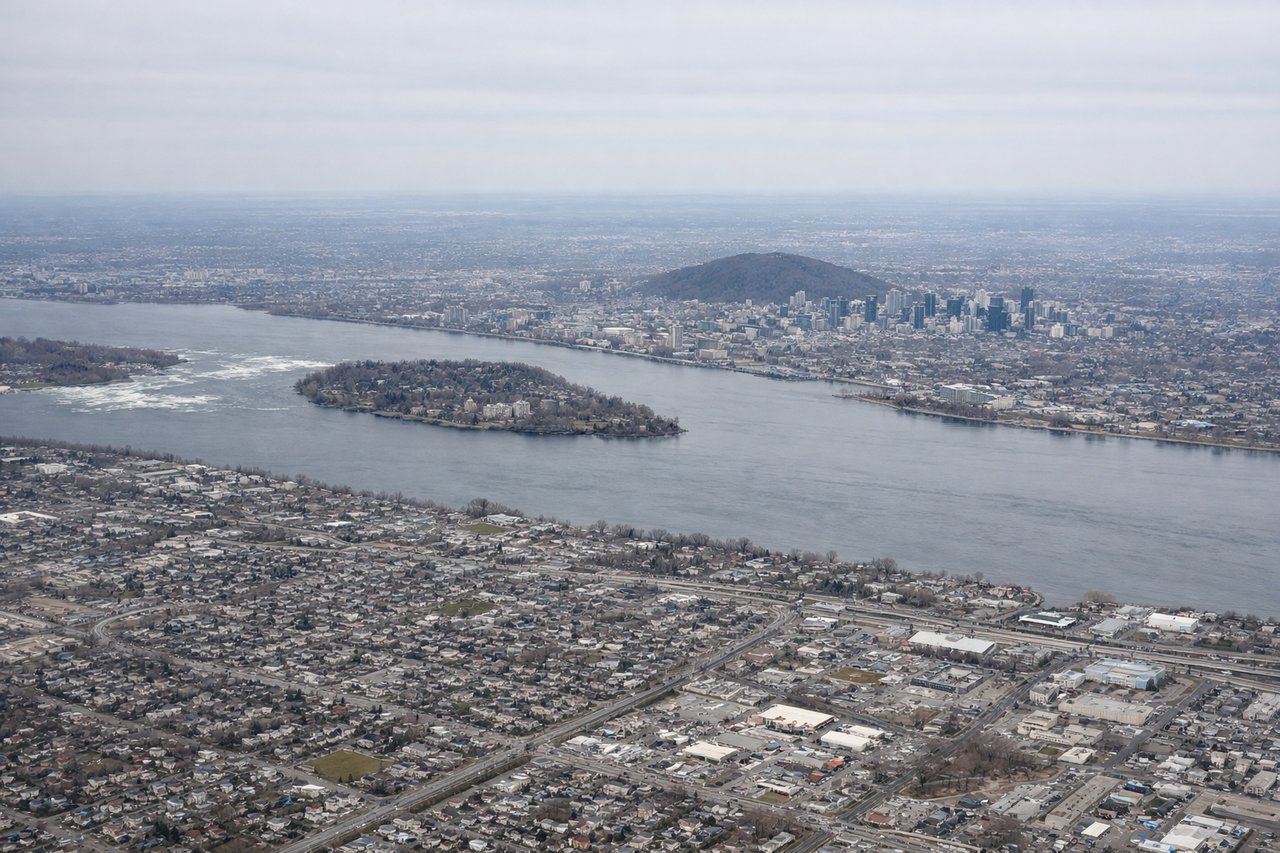
Takeoff from YUL
RIGHTRight side captures the St. Lawrence River valley and the Laurentian Mountains to the north during the typical southwest departure. Left side faces toward flat terrain and suburban sprawl with minimal visual interest during climb-out.
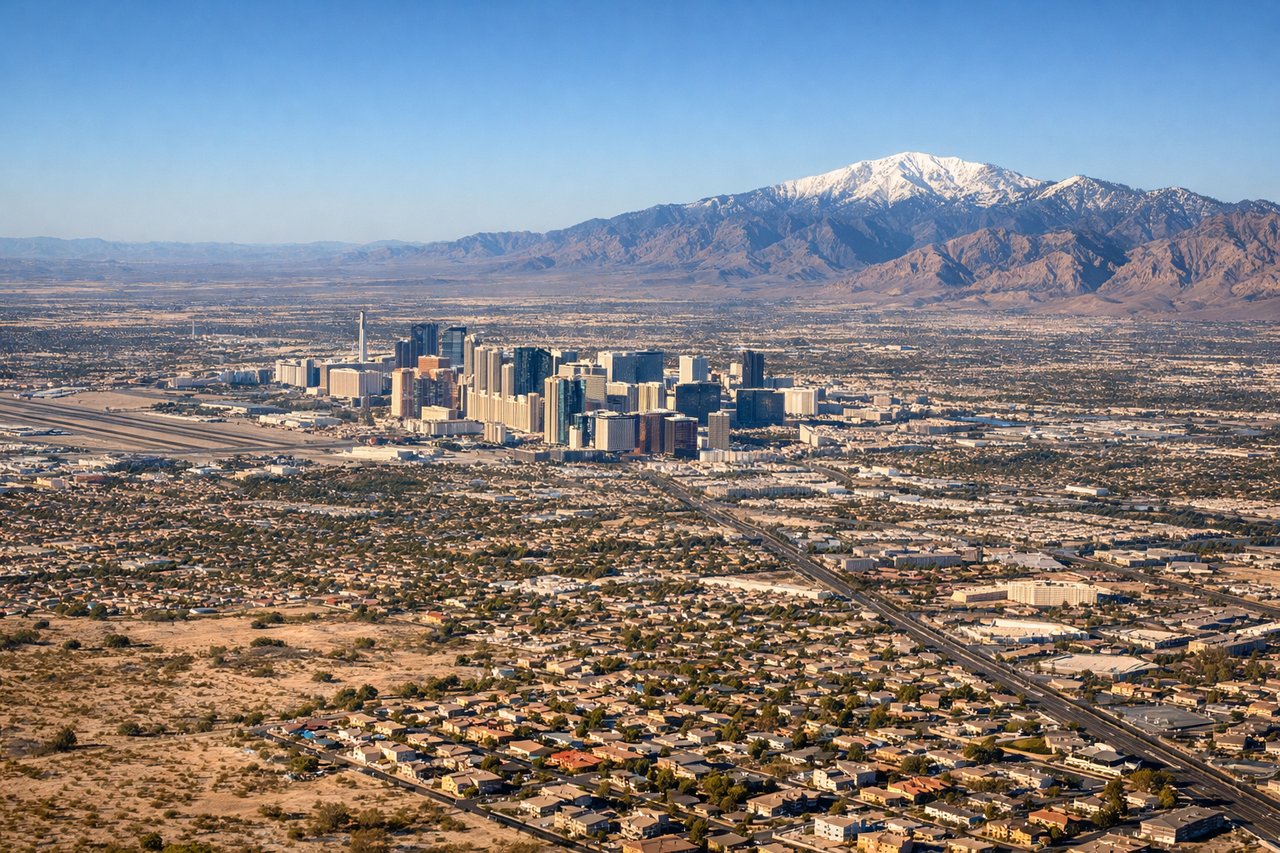
Landing at LAS
RIGHTRight side offers the classic Las Vegas Strip approach on westbound landings (runways 26L/26R), with the Strip's casino corridor, Lake Mead, and surrounding desert mountains clearly visible during descent and final approach. Left side sees mostly desert and distant mountains with less dramatic urban scenery.
Will your flight be in sunlight?
Pick a date and time in the Sun Map to watch the sun move across your whole flight.
About This Route
Which side of the plane should I sit on flying from Montreal International Dorval (YUL) to Mc Carran International (LAS)?
Sit on the Right side of the plane for the best views on flights from Montreal to Las Vegas. Right side scores higher due to superior landing scenery (Las Vegas Strip and Lake Mead on westbound approach) and better takeoff views (St. Lawrence River and Laurentian Mountains). The landing experience alone—one of North America's most visually distinctive approaches—outweighs left side's flat terrain throughout the flight.
What can I see during takeoff from Montreal International Dorval in Montreal?
During takeoff from Montreal International Dorval (YUL), sit on the Right side for the best views. Right side captures the St. Lawrence River valley and the Laurentian Mountains to the north during the typical southwest departure. Left side faces toward flat terrain and suburban sprawl with minimal visual interest during climb-out. Notable sights include: St. Lawrence River (visible below during initial climb), Laurentian Mountains (northern horizon), Montreal urban grid (receding behind), Île Perrot (in river valley to the right).
What can I see when landing at Mc Carran International in Las Vegas?
When landing at Mc Carran International (LAS), sit on the Right side for the best views. Right side offers the classic Las Vegas Strip approach on westbound landings (runways 26L/26R), with the Strip's casino corridor, Lake Mead, and surrounding desert mountains clearly visible during descent and final approach. Left side sees mostly desert and distant mountains with less dramatic urban scenery. Notable sights include: Las Vegas Strip (casino corridor with distinctive resort buildings), Lake Mead (large blue water body to the northeast), Spring Mountains (western horizon), McCarran International Airport (visible on approach).
How long is the flight from Montreal to Las Vegas?
The flight from Montreal International Dorval (YUL) to Mc Carran International (LAS) takes about 5 hours 15 minutes. The shortest flight path between them is 2,234 miles (3,596 km); winds and air traffic control usually add a few percent.
What does the Montreal to Las Vegas flight path pass over?
Great Lakes region (Lake Michigan and Lake Huron visible during cruise), Upper Peninsula of Michigan, Wisconsin forests, Minnesota-Iowa border region, Missouri River valley, Great Plains (Nebraska/Colorado), Rocky Mountains (Colorado Front Range and peaks), High Plains of eastern Colorado and Wyoming, Great Basin desert (Utah/Nevada border), Virgin River canyon approach to Las Vegas