Right-side seats capture the superior Montreal departure views (St. Lawrence and Laurentians). While left seats offer the Pyrenees on landing, the takeoff experience is more visually rewarding and the Pyrenees remain partially visible from right seats during approach descent.
Flown YUL to TLS? Did we get it right?
Flight Path
Montreal to Toulouse is 3,559 miles (5,728 km), a flight of about 7 hours 15 minutes.
The flight crosses the North Atlantic at high altitude. Notable waypoints include the Newfoundland coast (if visible during initial climb), then open ocean for 5+ hours. As you approach Europe, the Irish coast and UK landmass appear on the horizon. Crossing into continental airspace, you'll see the English Channel, northern France (Seine valley), and the Loire River valley before descending toward Toulouse. The Massif Central plateau becomes visible as you approach southern France.
Great circle distance and headings ›Phase by phase
Takeoff from YUL
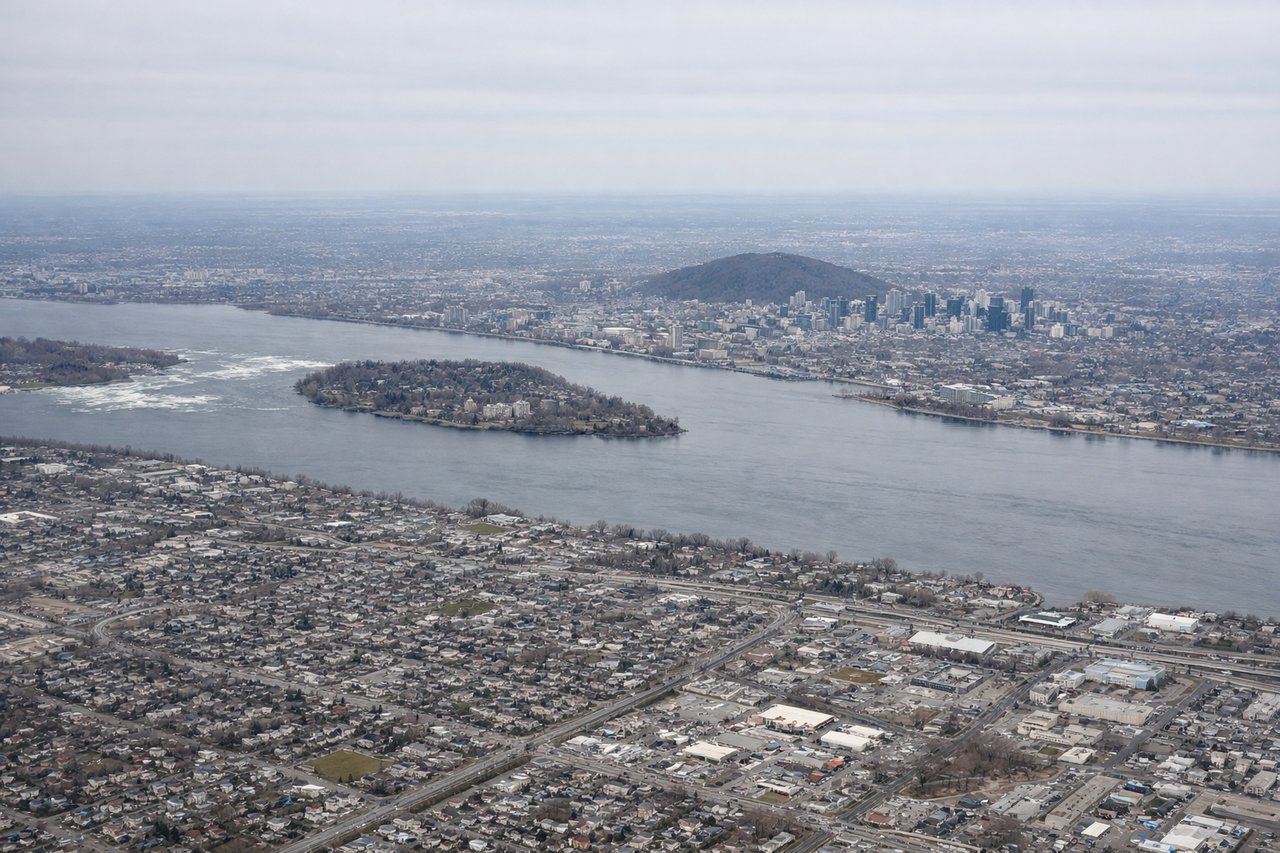
RIGHTMontreal typically departs eastbound (Runways 06L/06R or 24L/24R depending on wind). Right-side seats offer views of the St. Lawrence River valley and the Laurentian Mountains as you climb out over Quebec. Left side faces inland toward the Canadian Shield with fewer distinctive landmarks.
Landing at TLS
LEFTToulouse typically lands on Runway 32L/32R (southwest approach). Left-side seats during descent offer views of the Pyrenees Mountains to the south and the Garonne River valley. The approach path crosses the Midi-Pyrénées plateau, and left seats capture the dramatic mountain backdrop that defines the region.
Will your flight be in sunlight?
Pick a date and time in the Sun Map to watch the sun move across your whole flight.
About This Route
Which side of the plane should I sit on flying from Montreal International Dorval (YUL) to Blagnac (TLS)?
Sit on the Right side of the plane for the best views on flights from Montreal to Toulouse. Right-side seats capture the superior Montreal departure views (St. Lawrence and Laurentians). While left seats offer the Pyrenees on landing, the takeoff experience is more visually rewarding and the Pyrenees remain partially visible from right seats during approach descent.
What can I see during takeoff from Montreal International Dorval in Montreal?
During takeoff from Montreal International Dorval (YUL), sit on the Right side for the best views. Montreal typically departs eastbound (Runways 06L/06R or 24L/24R depending on wind). Right-side seats offer views of the St. Lawrence River valley and the Laurentian Mountains as you climb out over Quebec. Left side faces inland toward the Canadian Shield with fewer distinctive landmarks. Notable sights include: St. Lawrence River (flowing southeast below), Laurentian Mountains (northern horizon), Montreal urban sprawl (receding southwest), Île Perrot (visible in river to the west).
What can I see when landing at Blagnac in Toulouse?
When landing at Blagnac (TLS), sit on the Left side for the best views. Toulouse typically lands on Runway 32L/32R (southwest approach). Left-side seats during descent offer views of the Pyrenees Mountains to the south and the Garonne River valley. The approach path crosses the Midi-Pyrénées plateau, and left seats capture the dramatic mountain backdrop that defines the region. Notable sights include: Pyrenees Mountains (southern horizon, snow-capped peaks in winter), Garonne River (visible in valley approach), Toulouse city sprawl (growing larger in descent), Occitanie plateau (rolling terrain beneath).
How long is the flight from Montreal to Toulouse?
The flight from Montreal International Dorval (YUL) to Blagnac (TLS) takes about 7 hours 15 minutes. The shortest flight path between them is 3,559 miles (5,728 km); winds and air traffic control usually add a few percent.
What does the Montreal to Toulouse flight path pass over?
The flight crosses the North Atlantic at high altitude. Notable waypoints include the Newfoundland coast (if visible during initial climb), then open ocean for 5+ hours. As you approach Europe, the Irish coast and UK landmass appear on the horizon. Crossing into continental airspace, you'll see the English Channel, northern France (Seine valley), and the Loire River valley before descending toward Toulouse. The Massif Central plateau becomes visible as you approach southern France.