While left offers good takeoff scenery over Lake Ontario, right seats dominate the overall flight experience. The transatlantic crossing provides limited dramatic scenery over open ocean, but right seats capture the Nile Delta and Cairo approach—the most visually distinctive segment of the entire journey.
Flown YYZ to CAI? Did we get it right?
Flight Path
Toronto to Cairo is 5,734 miles (9,229 km), a flight of about 11 hours.
The flight path crosses the Atlantic Ocean (limited visual interest), passes over or near Greenland's southern coast (weather-dependent), crosses Iceland's vicinity, then over the UK and continental Europe. The Mediterranean Sea crossing offers blue water and occasional coastal views of southern Europe and North Africa. The Nile Delta becomes visible approximately 1.5 hours before landing, marking the transition from ocean to continental terrain.
Great circle distance and headings ›


Phase by phase
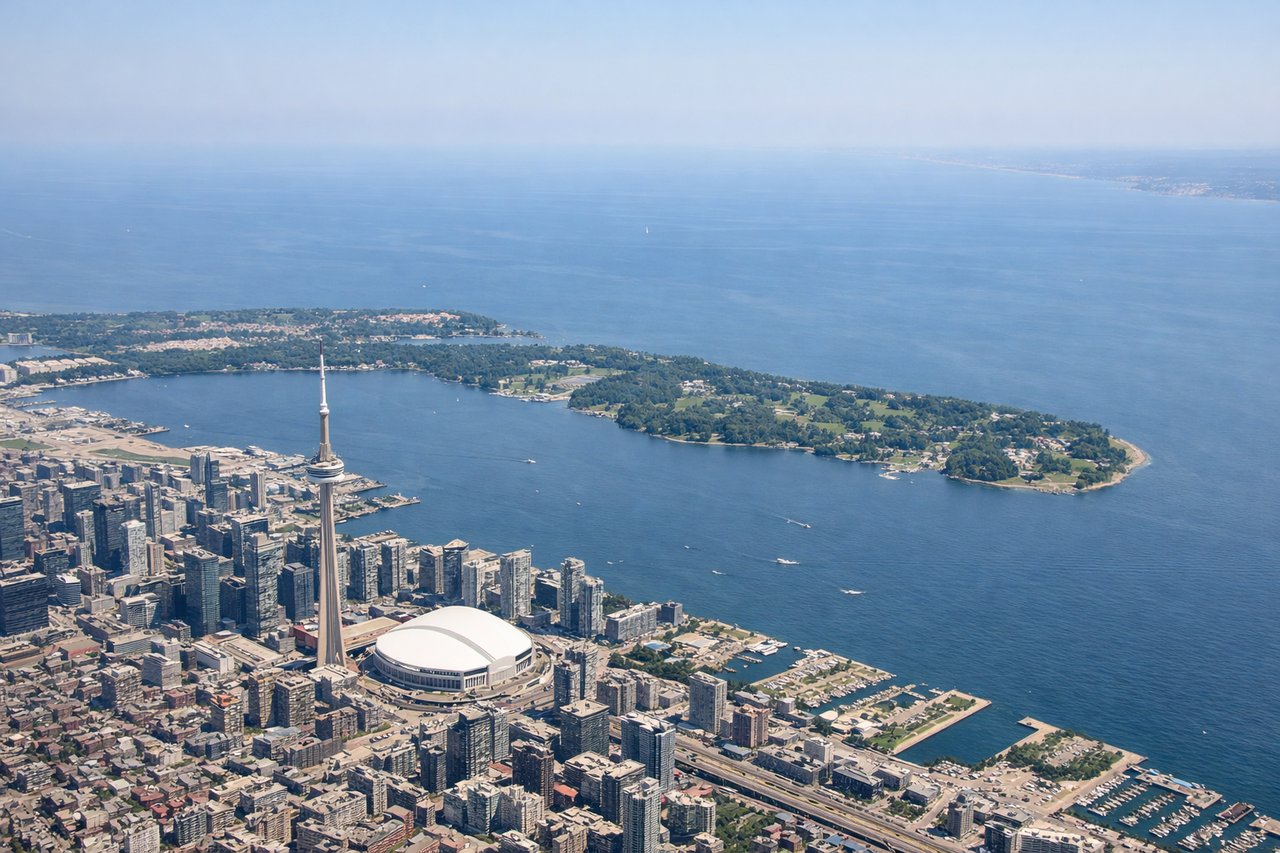
Takeoff from YYZ
LEFTLeft side offers views of Lake Ontario immediately after departure, with the Toronto skyline visible to the south. The aircraft climbs northwestward over the Greater Toronto Area, so left seats capture the lake's expanse and the urban sprawl receding below.
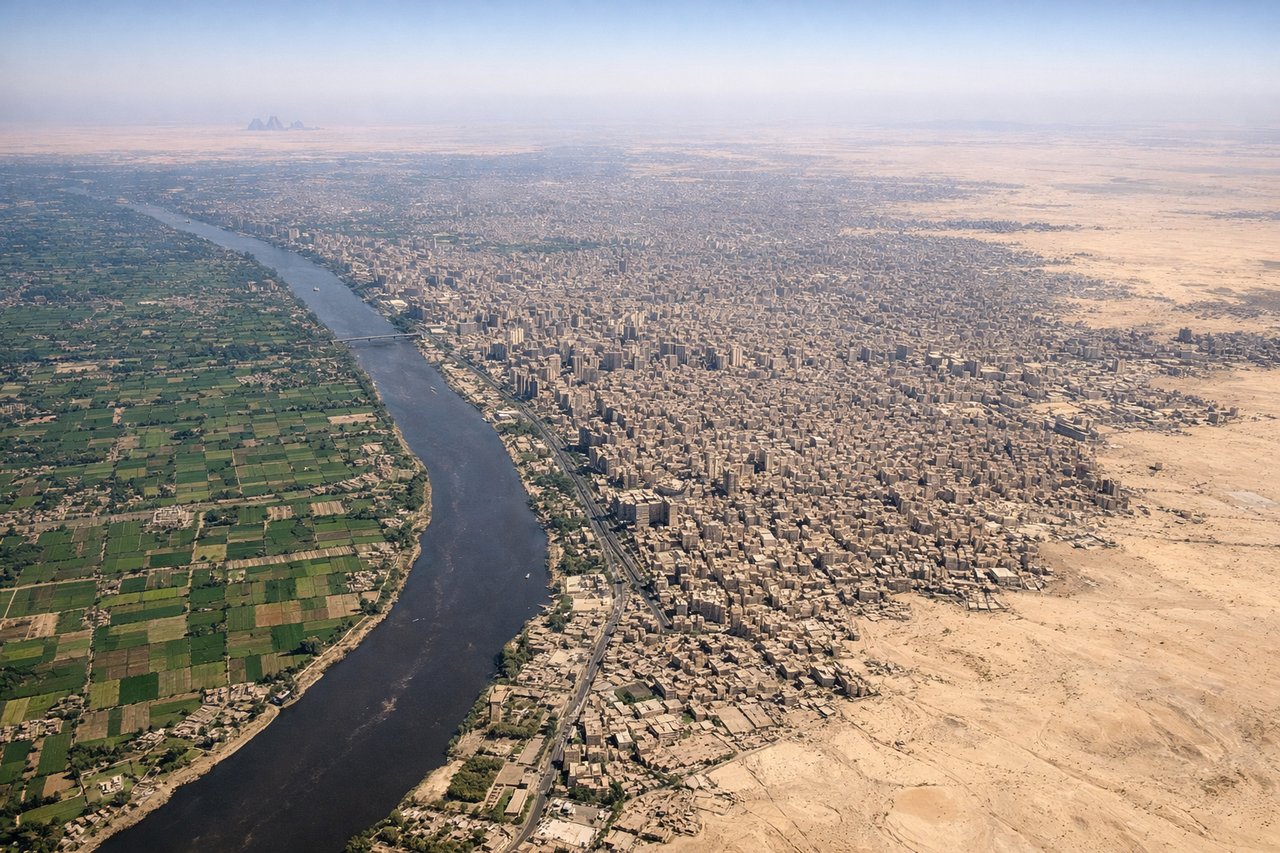
Landing at CAI
RIGHTRight side provides the best views during descent into Cairo. The aircraft approaches from the north over the Nile Delta, and right seats face the Nile River valley and the sprawling Cairo metropolitan area. You'll see the river's distinctive green ribbon cutting through desert, with the city's dense development visible along both banks.
Will your flight be in sunlight?
Pick a date and time in the Sun Map to watch the sun move across your whole flight.
About This Route
Which side of the plane should I sit on flying from Lester B Pearson International (YYZ) to Cairo International (CAI)?
Sit on the Right side of the plane for the best views on flights from Toronto to Cairo. While left offers good takeoff scenery over Lake Ontario, right seats dominate the overall flight experience. The transatlantic crossing provides limited dramatic scenery over open ocean, but right seats capture the Nile Delta and Cairo approach—the most visually distinctive segment of the entire journey.
What can I see during takeoff from Lester B Pearson International in Toronto?
During takeoff from Lester B Pearson International (YYZ), sit on the Left side for the best views. Left side offers views of Lake Ontario immediately after departure, with the Toronto skyline visible to the south. The aircraft climbs northwestward over the Greater Toronto Area, so left seats capture the lake's expanse and the urban sprawl receding below. Notable sights include: Lake Ontario, Toronto skyline and CN Tower, Scarborough Bluffs, Hamilton Harbor.
What can I see when landing at Cairo International in Cairo?
When landing at Cairo International (CAI), sit on the Right side for the best views. Right side provides the best views during descent into Cairo. The aircraft approaches from the north over the Nile Delta, and right seats face the Nile River valley and the sprawling Cairo metropolitan area. You'll see the river's distinctive green ribbon cutting through desert, with the city's dense development visible along both banks. Notable sights include: Nile River and Delta, Cairo metropolitan area, Eastern Desert plateau, Giza Plateau with pyramids (weather permitting).
How long is the flight from Toronto to Cairo?
The flight from Lester B Pearson International (YYZ) to Cairo International (CAI) takes about 11 hours. The shortest flight path between them is 5,734 miles (9,229 km); winds and air traffic control usually add a few percent.
What does the Toronto to Cairo flight path pass over?
The flight path crosses the Atlantic Ocean (limited visual interest), passes over or near Greenland's southern coast (weather-dependent), crosses Iceland's vicinity, then over the UK and continental Europe. The Mediterranean Sea crossing offers blue water and occasional coastal views of southern Europe and North Africa. The Nile Delta becomes visible approximately 1.5 hours before landing, marking the transition from ocean to continental terrain.