Left side scores 3.5 vs right's 2.0 due to superior scenery on both legs. Takeoff offers Lake Ontario's waterfront and Toronto's iconic skyline; cruise crosses the Atlantic with occasional Greenland and Iceland visibility; landing features the dramatic Oslofjord and Norwegian fjord landscape. Right side is dominated by flat terrain and open ocean with minimal landmarks. Left provides consistent visual interest and recognizable geographic features throughout the flight.
Flown YYZ to OSL? Did we get it right?
Flight Path
Toronto to Oslo is 3,697 miles (5,950 km), a flight of about 7 hours 15 minutes.
Greenland's eastern coast (Davis Strait region, visible on clear days), Iceland's northern coastline (if routed via Reykjavik airspace), Norwegian Sea, Scandinavian coastline approaching Norway
Great circle distance and headings ›


Phase by phase
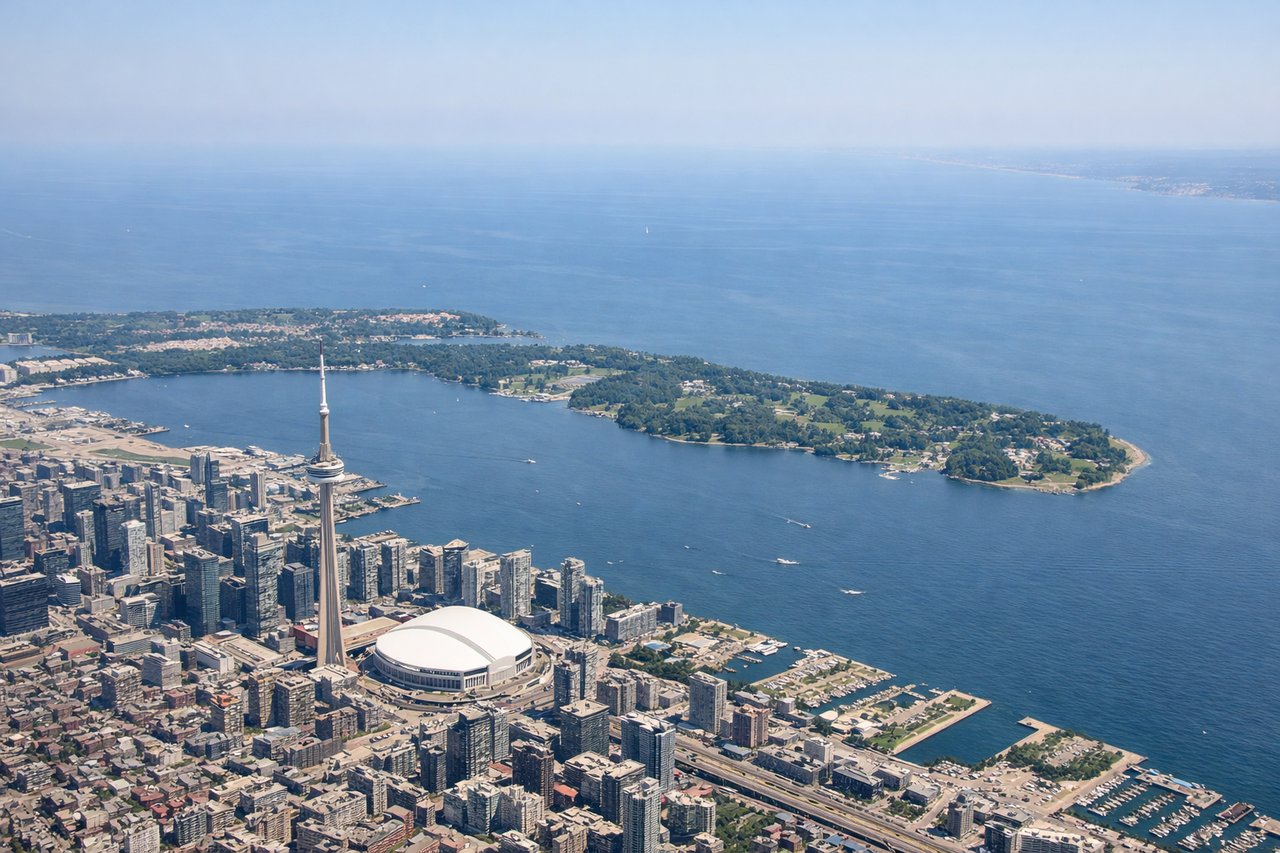
Takeoff from YYZ
LEFTLeft side captures Toronto's urban waterfront during initial climb. Departures from runway 05 or 06L turn northeastward, offering views of Lake Ontario's shoreline, the Toronto Islands, and the city skyline receding below. Right side faces inland toward flat suburban sprawl with minimal visual interest.
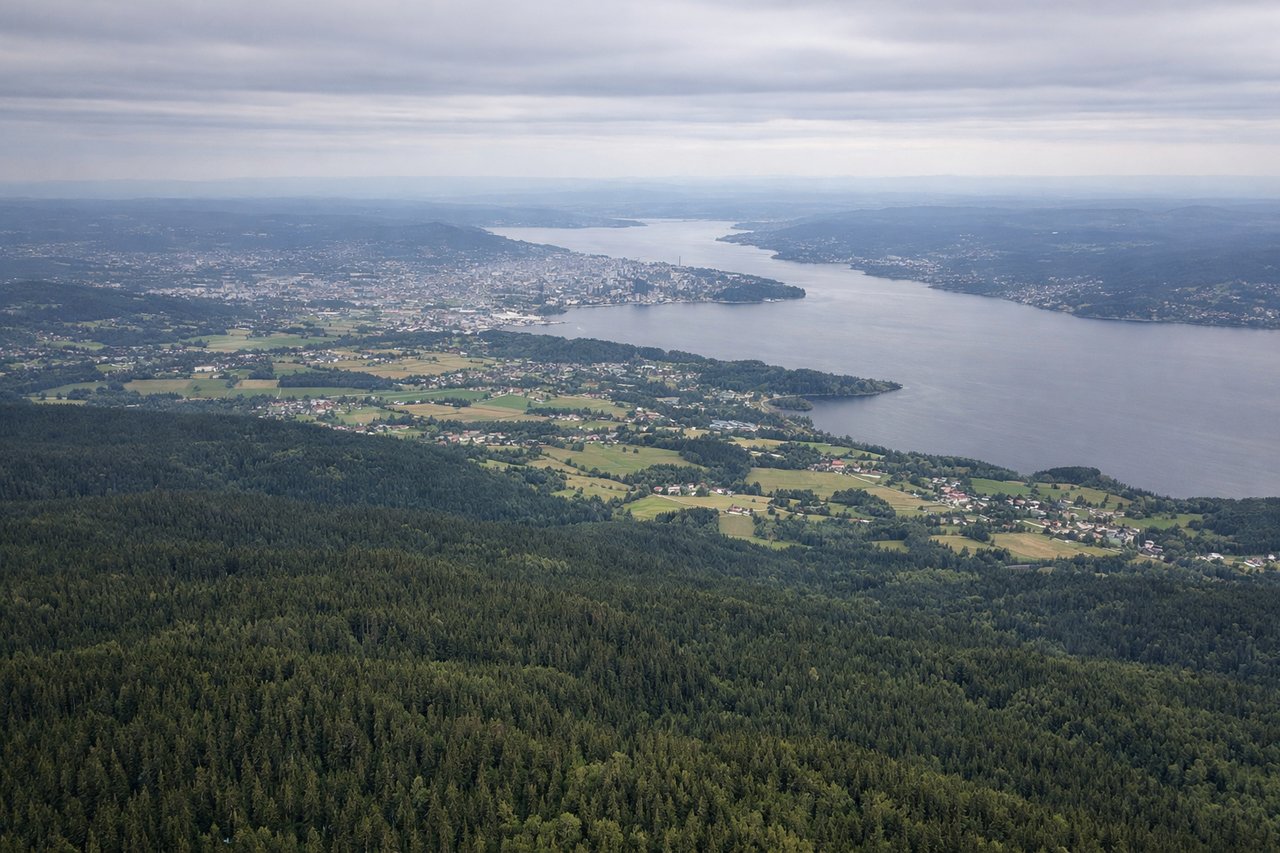
Landing at OSL
LEFTLeft side offers superior approach scenery into Oslo. Aircraft descending from the southwest typically approach runway 01 or 19 depending on wind. Left-side passengers see the Oslofjord's dramatic inlet, forested terrain, and the approach into the Oslo basin. Right side faces inland toward flat agricultural plains and forests with less visual distinction.
Will your flight be in sunlight?
Pick a date and time in the Sun Map to watch the sun move across your whole flight.
About This Route
Which side of the plane should I sit on flying from Lester B Pearson International (YYZ) to Oslo Gardermoen (OSL)?
Sit on the Left side of the plane for the best views on flights from Toronto to Oslo. Left side scores 3.5 vs right's 2.0 due to superior scenery on both legs. Takeoff offers Lake Ontario's waterfront and Toronto's iconic skyline; cruise crosses the Atlantic with occasional Greenland and Iceland visibility; landing features the dramatic Oslofjord and Norwegian fjord landscape. Right side is dominated by flat terrain and open ocean with minimal landmarks. Left provides consistent visual interest and recognizable geographic features throughout the flight.
What can I see during takeoff from Lester B Pearson International in Toronto?
During takeoff from Lester B Pearson International (YYZ), sit on the Left side for the best views. Left side captures Toronto's urban waterfront during initial climb. Departures from runway 05 or 06L turn northeastward, offering views of Lake Ontario's shoreline, the Toronto Islands, and the city skyline receding below. Right side faces inland toward flat suburban sprawl with minimal visual interest. Notable sights include: Lake Ontario, Toronto Islands, CN Tower and downtown Toronto skyline, Scarborough Bluffs.
What can I see when landing at Oslo Gardermoen in Oslo?
When landing at Oslo Gardermoen (OSL), sit on the Left side for the best views. Left side offers superior approach scenery into Oslo. Aircraft descending from the southwest typically approach runway 01 or 19 depending on wind. Left-side passengers see the Oslofjord's dramatic inlet, forested terrain, and the approach into the Oslo basin. Right side faces inland toward flat agricultural plains and forests with less visual distinction. Notable sights include: Oslofjord, forested Norwegian coastline, Oslo city center and harbor, Bygdøy Peninsula.
How long is the flight from Toronto to Oslo?
The flight from Lester B Pearson International (YYZ) to Oslo Gardermoen (OSL) takes about 7 hours 15 minutes. The shortest flight path between them is 3,697 miles (5,950 km); winds and air traffic control usually add a few percent.
What does the Toronto to Oslo flight path pass over?
Greenland's eastern coast (Davis Strait region, visible on clear days), Iceland's northern coastline (if routed via Reykjavik airspace), Norwegian Sea, Scandinavian coastline approaching Norway