The left side wins overall because the Toronto departure offers a genuinely spectacular urban and lakeside view that is hard to beat. Mid-flight both sides see similar Appalachian foothills and Piedmont terrain, and the RDU arrival is modest. The CN Tower and Lake Ontario departure view on the left is the highlight of this route.
Flown YYZ to RDU? Did we get it right?
Flight Path
Toronto to Raleigh-Durham is 541 miles (870 km), a flight of about 1 hour 55 minutes.
The flight tracks southeast over Lake Ontario's eastern end near Oshawa, crosses into upstate New York over the Finger Lakes region, passes over the Pennsylvania Appalachian ridges including the Allegheny Front and Susquehanna River valley, then descends over the Virginia and North Carolina Piedmont through a landscape of rolling pine forest and river drainages including the Dan River and Roanoke River corridors
Great circle distance and headings ›

Phase by phase
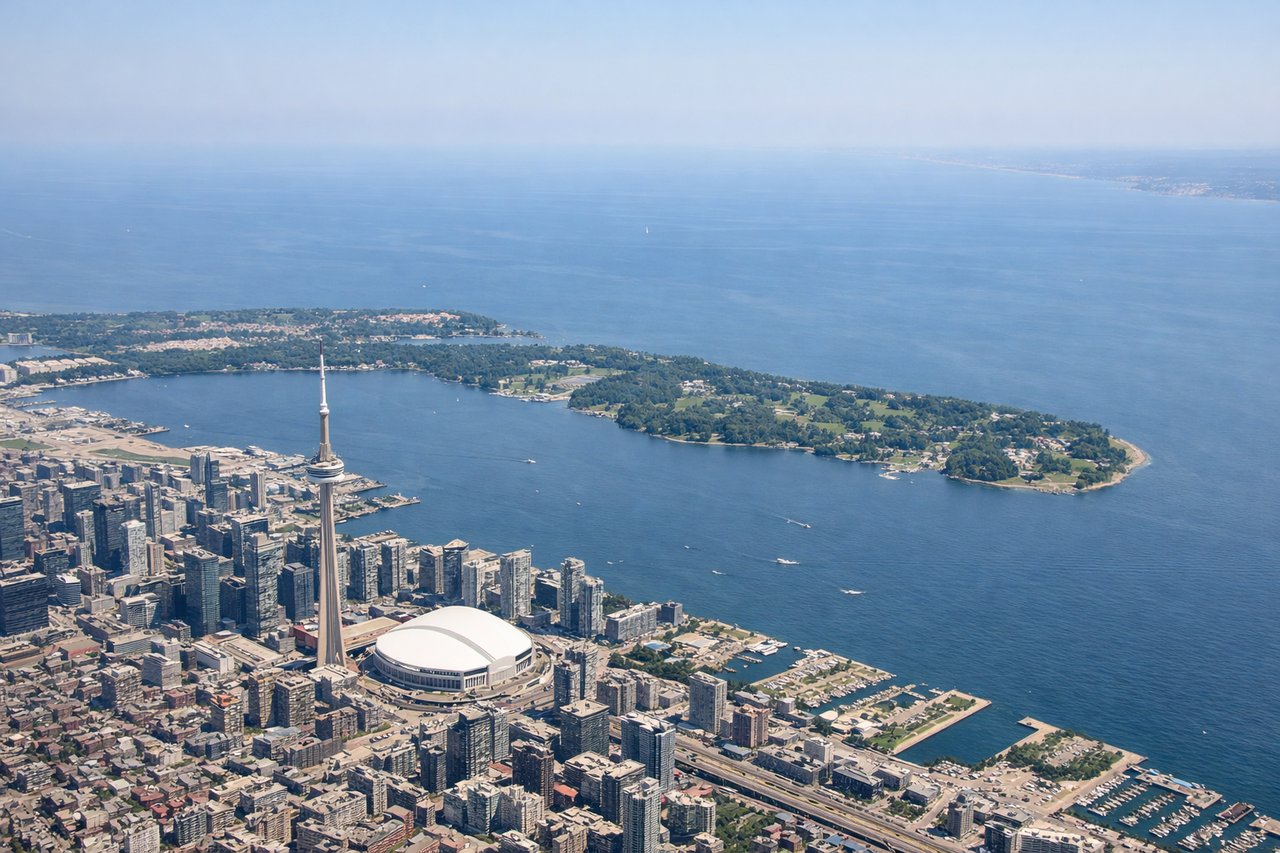
Takeoff from YYZ
LEFTYYZ typically departs runway 23 or 24L/24R heading southwest, then aircraft turn southeast toward RDU. A left-side seat captures the Toronto skyline including the CN Tower and downtown core as the aircraft banks, plus Lake Ontario stretching east. Right side faces suburban sprawl with little of interest.
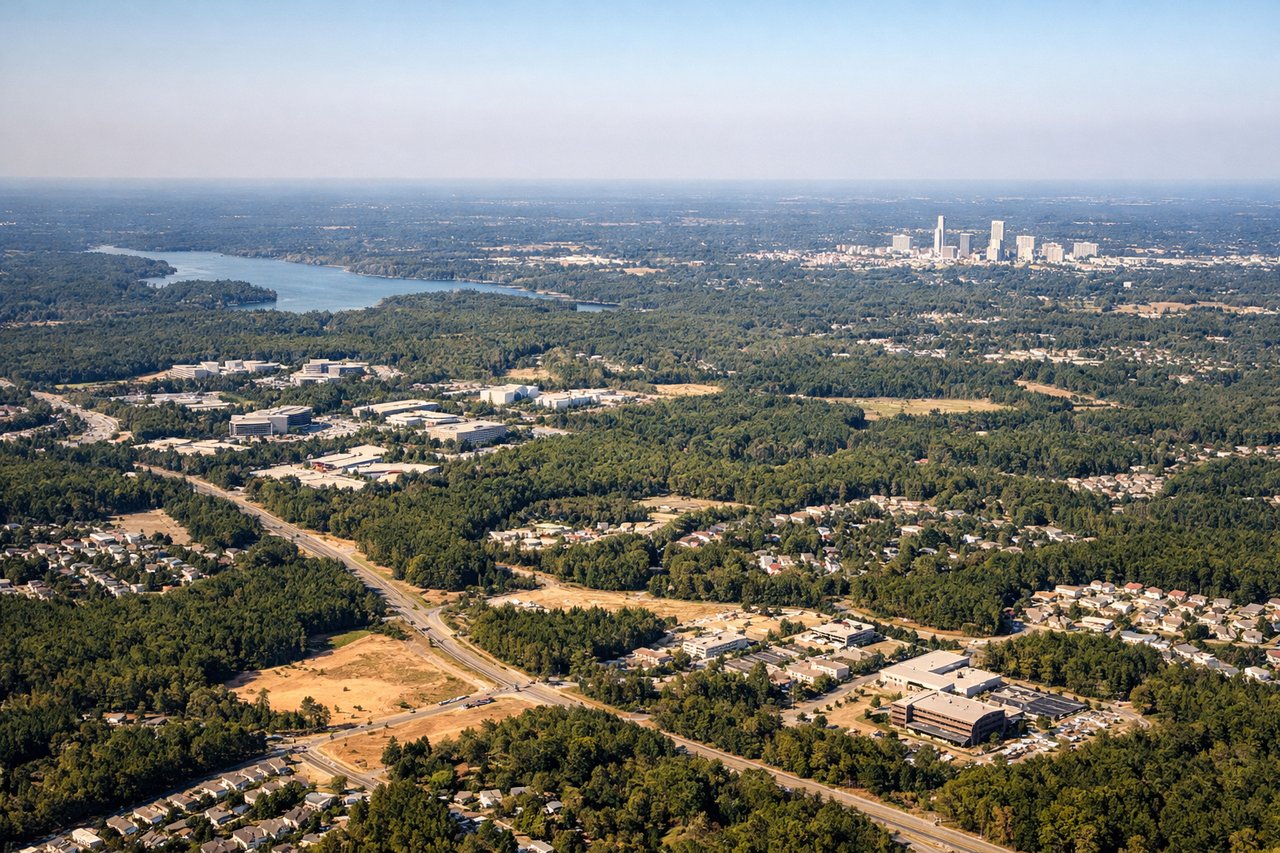
Landing at RDU
RIGHTRDU's primary arrival runway 23L/23R has aircraft approaching from the northeast, meaning a right-side seat looks northwest toward the Research Triangle urban area including Raleigh and Durham. Left side faces open pine forest and rural Piedmont with little to identify. On runway 5 arrivals, right side still captures the Raleigh skyline to the east.
Will your flight be in sunlight?
Pick a date and time in the Sun Map to watch the sun move across your whole flight.
About This Route
Which side of the plane should I sit on flying from Lester B Pearson International (YYZ) to Raleigh Durham International (RDU)?
Sit on the Left side of the plane for the best views on flights from Toronto to Raleigh-Durham. The left side wins overall because the Toronto departure offers a genuinely spectacular urban and lakeside view that is hard to beat. Mid-flight both sides see similar Appalachian foothills and Piedmont terrain, and the RDU arrival is modest. The CN Tower and Lake Ontario departure view on the left is the highlight of this route.
What can I see during takeoff from Lester B Pearson International in Toronto?
During takeoff from Lester B Pearson International (YYZ), sit on the Left side for the best views. YYZ typically departs runway 23 or 24L/24R heading southwest, then aircraft turn southeast toward RDU. A left-side seat captures the Toronto skyline including the CN Tower and downtown core as the aircraft banks, plus Lake Ontario stretching east. Right side faces suburban sprawl with little of interest. Notable sights include: CN Tower and downtown Toronto skyline, Lake Ontario shoreline, Toronto Islands, Hamilton Harbour to the west.
What can I see when landing at Raleigh Durham International in Raleigh-Durham?
When landing at Raleigh Durham International (RDU), sit on the Right side for the best views. RDU's primary arrival runway 23L/23R has aircraft approaching from the northeast, meaning a right-side seat looks northwest toward the Research Triangle urban area including Raleigh and Durham. Left side faces open pine forest and rural Piedmont with little to identify. On runway 5 arrivals, right side still captures the Raleigh skyline to the east. Notable sights include: Raleigh downtown skyline, Jordan Lake reservoir to the southwest, Falls Lake reservoir to the north, Research Triangle Park campus sprawl.
How long is the flight from Toronto to Raleigh-Durham?
The flight from Lester B Pearson International (YYZ) to Raleigh Durham International (RDU) takes about 1 hour 55 minutes. The shortest flight path between them is 541 miles (870 km); winds and air traffic control usually add a few percent.
What does the Toronto to Raleigh-Durham flight path pass over?
The flight tracks southeast over Lake Ontario's eastern end near Oshawa, crosses into upstate New York over the Finger Lakes region, passes over the Pennsylvania Appalachian ridges including the Allegheny Front and Susquehanna River valley, then descends over the Virginia and North Carolina Piedmont through a landscape of rolling pine forest and river drainages including the Dan River and Roanoke River corridors