The right side wins because of its consistent coastal exposure — Bay of Biscay shoreline and northern Spanish/Portuguese coast during cruise — capped by a genuinely scenic Tagus River approach into Lisbon, while the left side mostly overlooks flat inland France and Iberia.
Flight Path
Western France near the Bay of Biscay coastline, followed by the northern Spanish (Galician) coast and the Atlantic-facing Portuguese shoreline as the route tracks south toward Lisbon.
Great circle distance and headings ›
.jpg?width=600)
Phase by phase
Takeoff from AMS
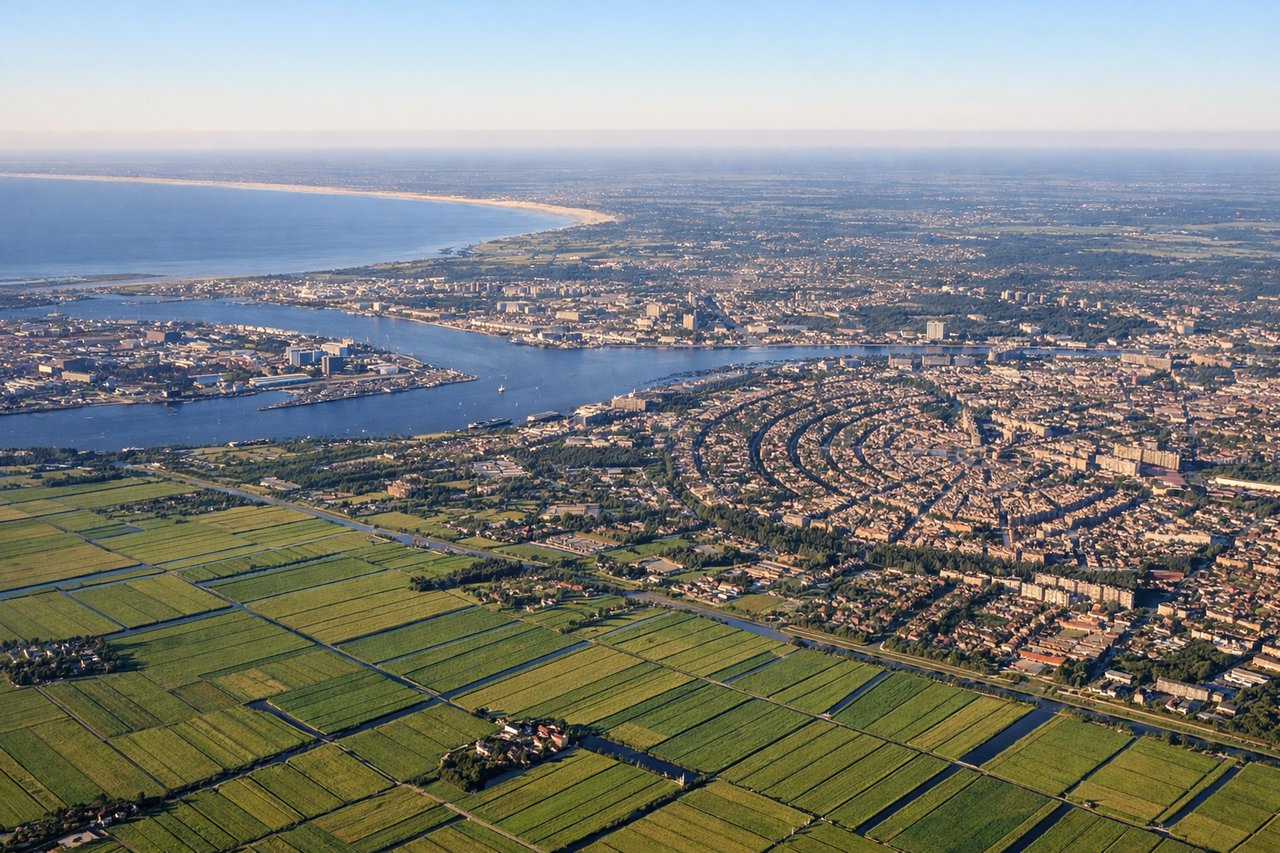
RIGHTClimbing out of Schiphol on the southbound Polderbaan or Zwanenburgbaan, the right side offers glimpses of the IJsselmeer's shoreline and the flat polder patchwork extending toward the North Sea coast, while the left side just shows featureless farmland toward Utrecht.
Landing at LIS
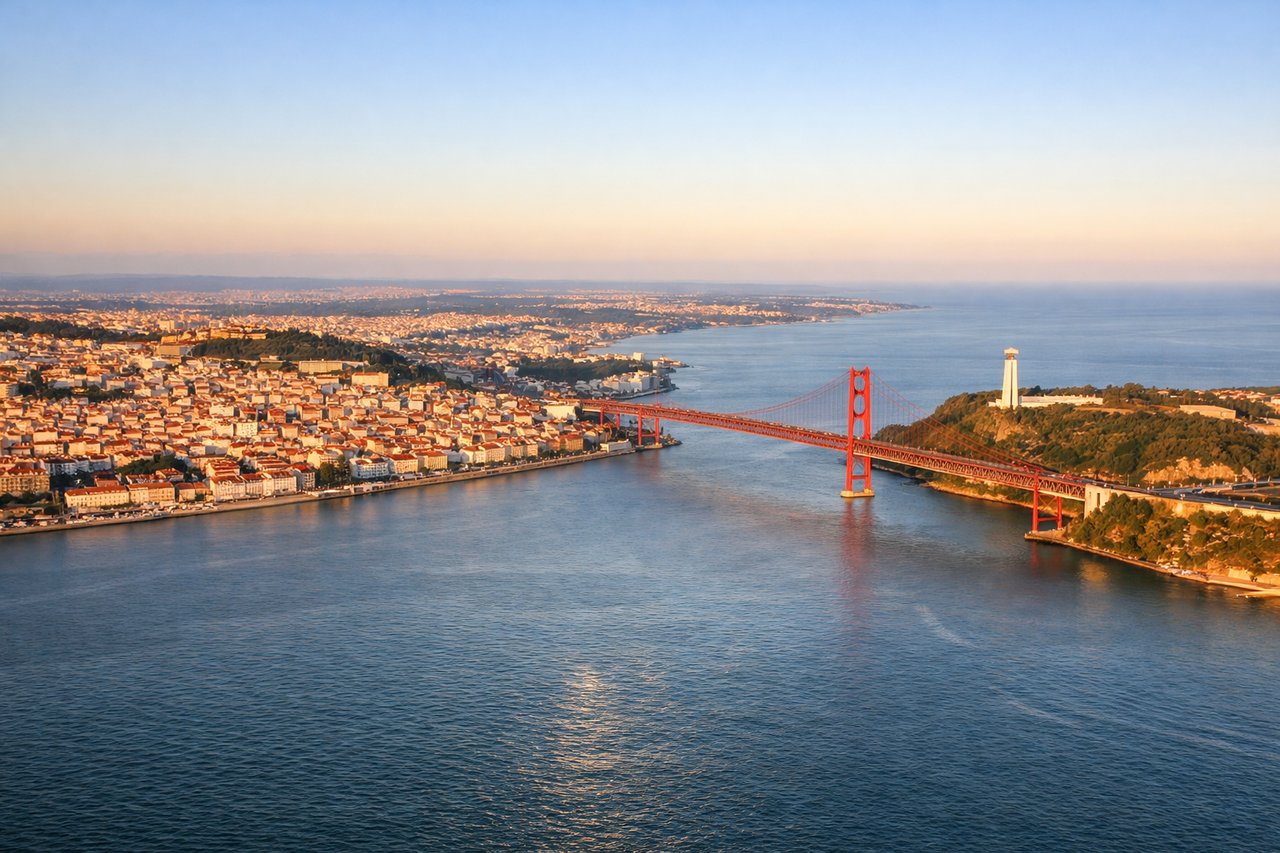
RIGHTOn the approach to runway 20, the aircraft descends south along the Tagus estuary, and the right side reveals the Lisbon skyline, the Belem waterfront, and the river mouth opening to the Atlantic — a distinctly scenic final approach.
Landmarks on this routeAll landmarks →
Will your flight be in sunlight?
See exactly which side of the plane gets sun and shade at your departure time.
About This Route
Which side of the plane should I sit on flying from Schiphol (AMS) to Lisboa (LIS)?
Sit on the Right side of the plane for the best views on flights from Amsterdam to Lisbon. The right side wins because of its consistent coastal exposure — Bay of Biscay shoreline and northern Spanish/Portuguese coast during cruise — capped by a genuinely scenic Tagus River approach into Lisbon, while the left side mostly overlooks flat inland France and Iberia.
What can I see during takeoff from Schiphol in Amsterdam?
During takeoff from Schiphol (AMS), sit on the Right side for the best views. Climbing out of Schiphol on the southbound Polderbaan or Zwanenburgbaan, the right side offers glimpses of the IJsselmeer's shoreline and the flat polder patchwork extending toward the North Sea coast, while the left side just shows featureless farmland toward Utrecht. Notable sights include: IJsselmeer, Dutch polder fields, North Sea coastline near Haarlem.
What can I see when landing at Lisboa in Lisbon?
When landing at Lisboa (LIS), sit on the Right side for the best views. On the approach to runway 20, the aircraft descends south along the Tagus estuary, and the right side reveals the Lisbon skyline, the Belem waterfront, and the river mouth opening to the Atlantic — a distinctly scenic final approach. Notable sights include: Tagus River estuary, Lisbon city skyline, 25 de Abril Bridge, Belem waterfront.
How long is the flight from Amsterdam to Lisbon?
The flight from Schiphol (AMS) to Lisboa (LIS) takes 2h 50m.
What does the Amsterdam to Lisbon flight path pass over?
Western France near the Bay of Biscay coastline, followed by the northern Spanish (Galician) coast and the Atlantic-facing Portuguese shoreline as the route tracks south toward Lisbon.