The left side wins overall because the Rocky Mountain Front Range on approach to Calgary is one of the most dramatic arrival views in North America. The takeoff views from Schiphol are interesting but relatively flat; the left-side mountain panorama on descent into YYC is the standout moment of the flight.
Flight Path
The flight tracks northwest over the North Sea, then across southern Scotland and the Hebrides islands, before crossing the North Atlantic. Over Greenland, the southern ice cap and fjord coastline are visible if routing takes you near Narsarsuaq. The flight then crosses Baffin Island and Hudson Bay, followed by the boreal forest of northern Manitoba and Saskatchewan, before the prairie opens up approaching Alberta. The transition from flat prairie to the Rocky Mountain foothills is visible in the final 30 minutes of descent.
Great circle distance and headings ›


Phase by phase
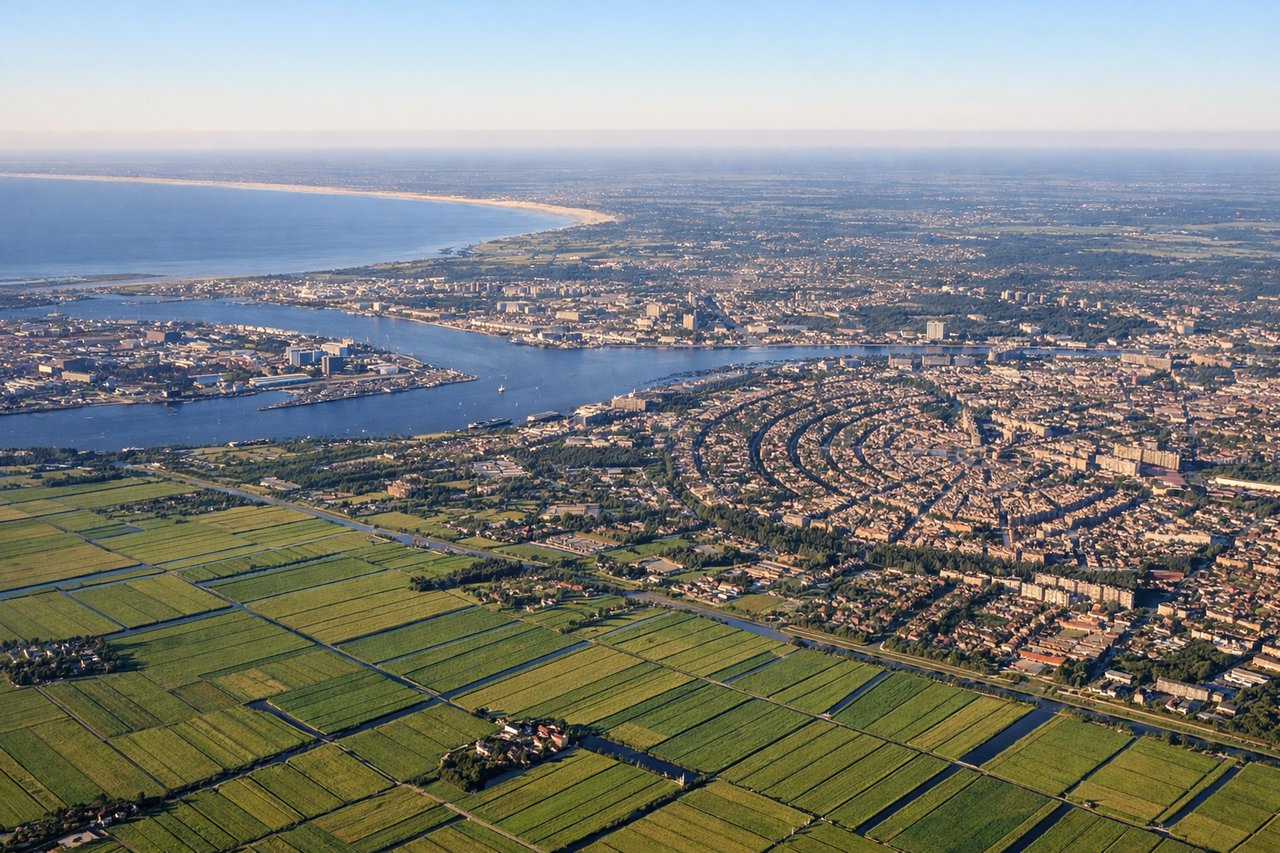
Takeoff from AMS
RIGHTSchiphol's most common departure on runway 36C/36R heads north, and a right-side seat gives you a clear view west over the Haarlemmermeer polder and the city of Haarlem. As the aircraft turns northwest toward the North Sea, you get a good look at the Dutch coastal dune system and the IJmuiden steel works on the coast.
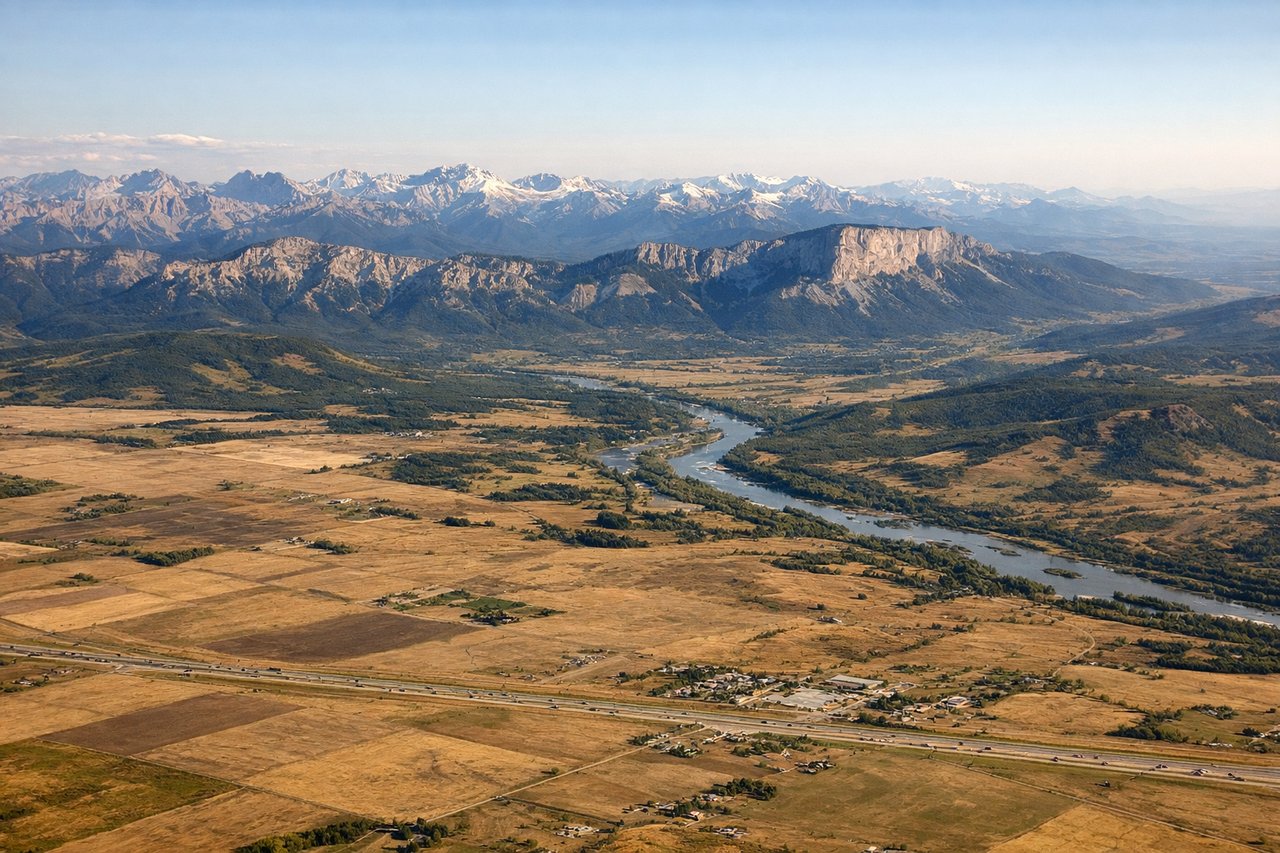
Landing at YYC
LEFTCalgary International typically uses runways 35L/35R for northerly approaches, meaning the aircraft arrives from the south. A left-side seat faces west during the approach, giving you a direct view of the Rocky Mountain Front Range — the Bow Valley corridor, Mount Yamnuska, and the dramatic wall of peaks from Banff northward. The city of Calgary spreads out to the right but the mountains are the clear visual highlight.
Landmarks on this routeAll landmarks →
Will your flight be in sunlight?
See exactly which side of the plane gets sun and shade at your departure time.
About This Route
Which side of the plane should I sit on flying from Schiphol (AMS) to Calgary International (YYC)?
Sit on the Left side of the plane for the best views on flights from Amsterdam to Calgary. The left side wins overall because the Rocky Mountain Front Range on approach to Calgary is one of the most dramatic arrival views in North America. The takeoff views from Schiphol are interesting but relatively flat; the left-side mountain panorama on descent into YYC is the standout moment of the flight.
What can I see during takeoff from Schiphol in Amsterdam?
During takeoff from Schiphol (AMS), sit on the Right side for the best views. Schiphol's most common departure on runway 36C/36R heads north, and a right-side seat gives you a clear view west over the Haarlemmermeer polder and the city of Haarlem. As the aircraft turns northwest toward the North Sea, you get a good look at the Dutch coastal dune system and the IJmuiden steel works on the coast. Notable sights include: Haarlemmermeer polder, Haarlem city center, IJmuiden coastal industrial port, North Sea coastline and dune belt.
What can I see when landing at Calgary International in Calgary?
When landing at Calgary International (YYC), sit on the Left side for the best views. Calgary International typically uses runways 35L/35R for northerly approaches, meaning the aircraft arrives from the south. A left-side seat faces west during the approach, giving you a direct view of the Rocky Mountain Front Range — the Bow Valley corridor, Mount Yamnuska, and the dramatic wall of peaks from Banff northward. The city of Calgary spreads out to the right but the mountains are the clear visual highlight. Notable sights include: Rocky Mountain Front Range, Bow River valley, Mount Yamnuska, Banff townsite area in the distance.
How long is the flight from Amsterdam to Calgary?
The flight from Schiphol (AMS) to Calgary International (YYC) takes Approximately 9 to 10 hours.
What does the Amsterdam to Calgary flight path pass over?
The flight tracks northwest over the North Sea, then across southern Scotland and the Hebrides islands, before crossing the North Atlantic. Over Greenland, the southern ice cap and fjord coastline are visible if routing takes you near Narsarsuaq. The flight then crosses Baffin Island and Hudson Bay, followed by the boreal forest of northern Manitoba and Saskatchewan, before the prairie opens up approaching Alberta. The transition from flat prairie to the Rocky Mountain foothills is visible in the final 30 minutes of descent.