The left side strings together Alaska's Chugach Mountains and Denali at departure, then the Yukon ranges, Canadian tundra, the ice-capped mountains of southern Greenland, and Iceland's volcanic terrain during cruise, finishing with the Taunus hills on arrival — a rare sequence of dramatic high-latitude landscapes. The right side spends most of the flight over open North Atlantic water with little to see.
Flight Path
Southern Greenland's ice cap and coastal fjords, with the Denmark Strait and Iceland's volcanic highlands visible shortly after
Great circle distance and headings ›


Phase by phase
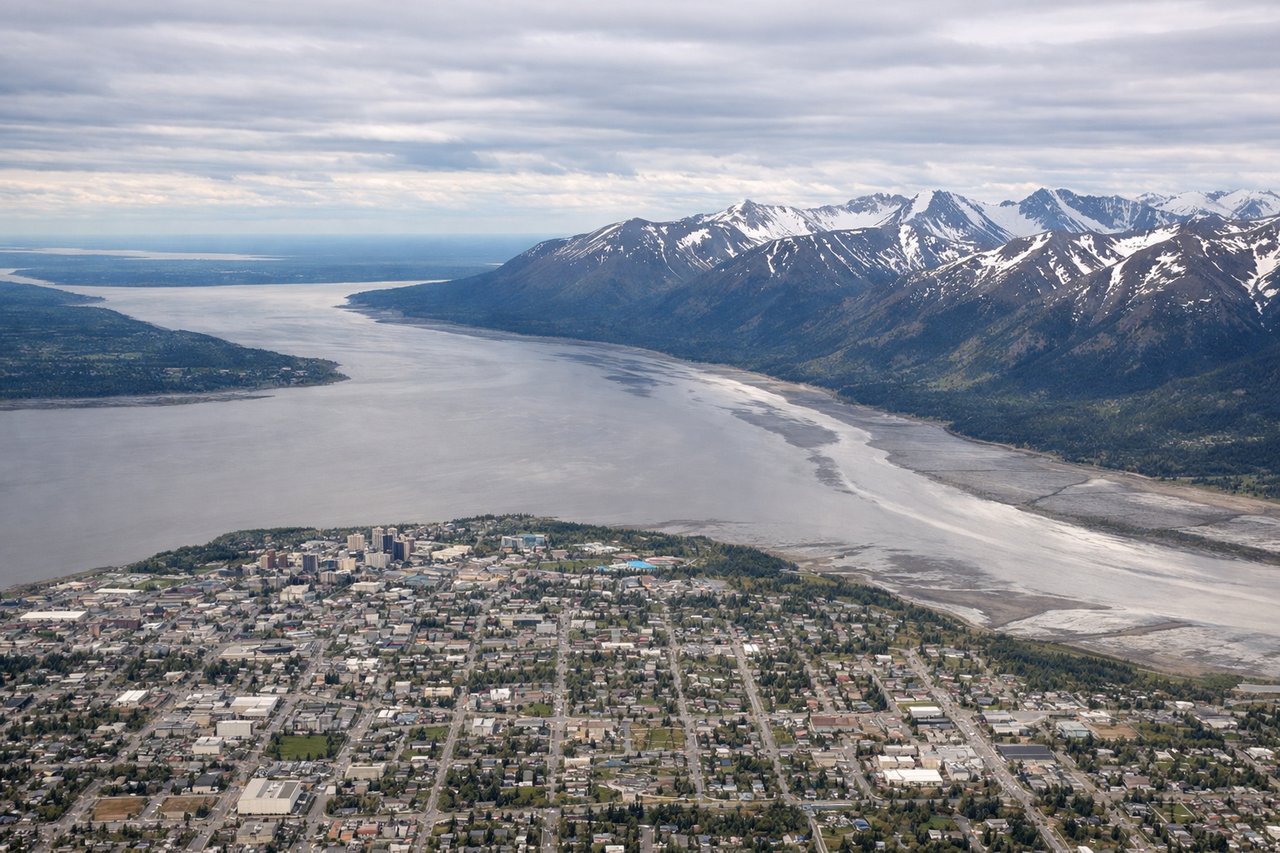
Takeoff from ANC
LEFTDeparting ANC on the easterly runways, the climb-out passes directly beneath the Chugach Mountains, and on clear days Denali and the Alaska Range are visible far to the north on the left side. The right side mostly shows Cook Inlet's mudflats, which are pleasant but less dramatic.
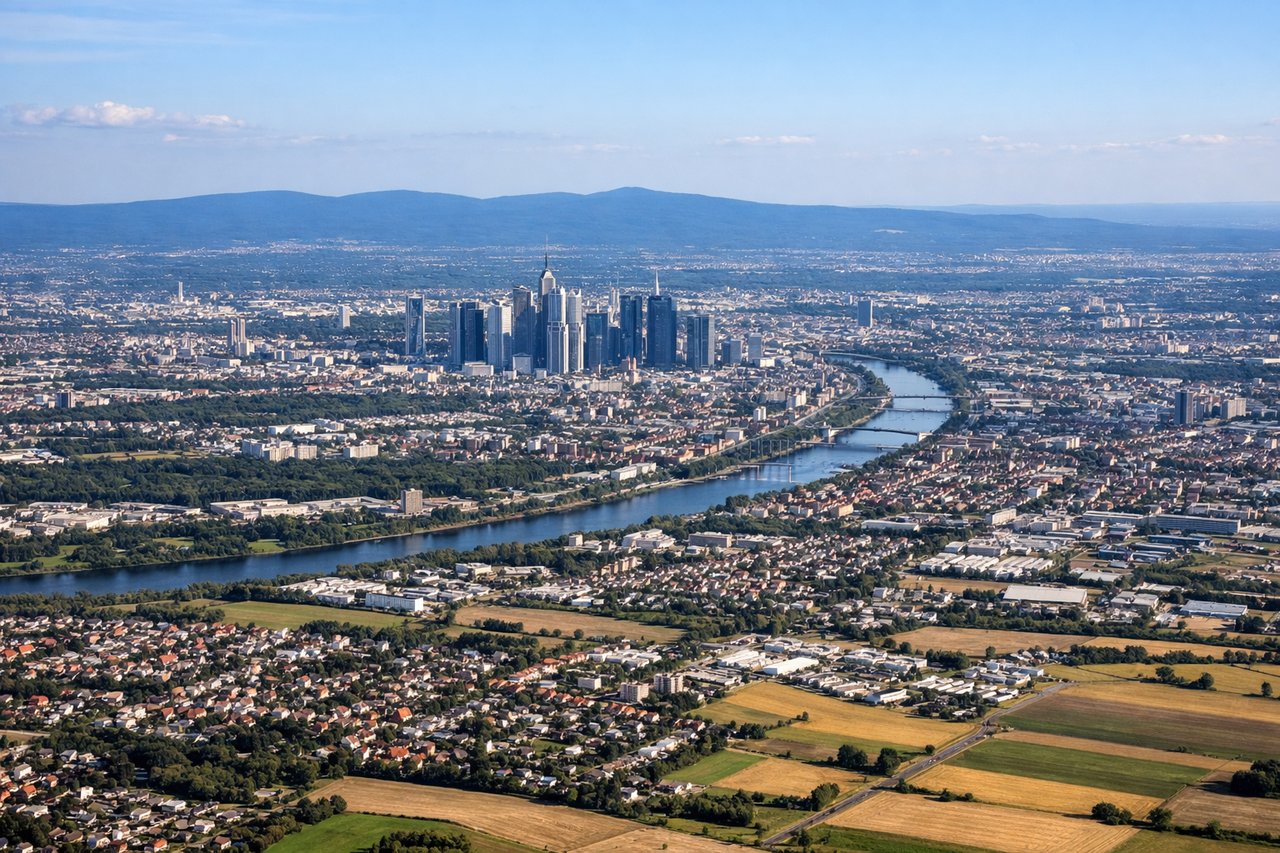
Landing at FRA
LEFTOn the descent into FRA from the north, the approach path crosses the wooded ridgelines of the Taunus hills before the final turn toward runway 25, giving left-side passengers a good look at the hills and the Rhine-Main river plain below. The right side mostly shows flat farmland with less definition.
Landmarks on this routeAll landmarks →
Will your flight be in sunlight?
See exactly which side of the plane gets sun and shade at your departure time.
About This Route
Which side of the plane should I sit on flying from Ted Stevens Anchorage International (ANC) to Frankfurt Main (FRA)?
Sit on the Left side of the plane for the best views on flights from Anchorage to Frankfurt. The left side strings together Alaska's Chugach Mountains and Denali at departure, then the Yukon ranges, Canadian tundra, the ice-capped mountains of southern Greenland, and Iceland's volcanic terrain during cruise, finishing with the Taunus hills on arrival — a rare sequence of dramatic high-latitude landscapes. The right side spends most of the flight over open North Atlantic water with little to see.
What can I see during takeoff from Ted Stevens Anchorage International in Anchorage?
During takeoff from Ted Stevens Anchorage International (ANC), sit on the Left side for the best views. Departing ANC on the easterly runways, the climb-out passes directly beneath the Chugach Mountains, and on clear days Denali and the Alaska Range are visible far to the north on the left side. The right side mostly shows Cook Inlet's mudflats, which are pleasant but less dramatic. Notable sights include: Chugach Mountains, Denali and the Alaska Range (distant, clear days), Knik Arm/Cook Inlet tidal flats.
What can I see when landing at Frankfurt Main in Frankfurt?
When landing at Frankfurt Main (FRA), sit on the Left side for the best views. On the descent into FRA from the north, the approach path crosses the wooded ridgelines of the Taunus hills before the final turn toward runway 25, giving left-side passengers a good look at the hills and the Rhine-Main river plain below. The right side mostly shows flat farmland with less definition. Notable sights include: Taunus hills, Rhine-Main river plain, patchwork farmland north of Frankfurt, distant Frankfurt skyline.
How long is the flight from Anchorage to Frankfurt?
The flight from Ted Stevens Anchorage International (ANC) to Frankfurt Main (FRA) takes 9h 15m.
What does the Anchorage to Frankfurt flight path pass over?
Southern Greenland's ice cap and coastal fjords, with the Denmark Strait and Iceland's volcanic highlands visible shortly after