While the takeoff offers dramatic Alaskan scenery, the landing provides more sustained visual interest over a longer portion of the flight. The approach into RDU showcases the Piedmont's distinctive landscape character, and right-side seats capture this transition zone effectively. The takeoff is brief and intense; the landing descent is longer and more visually rewarding.
Flown ANC to RDU? Did we get it right?
Flight Path
Anchorage to Raleigh-Durham is 3,473 miles (5,589 km), a flight of about 5 hours 30 minutes.
The flight path crosses the continental interior: the Rocky Mountains (Montana/Wyoming border region) are visible roughly 2-2.5 hours into the flight, with the Absaroka and Beartooth ranges presenting significant peaks. The Great Plains dominate the middle 2-3 hours of flight, appearing as vast flat to gently rolling terrain with scattered lakes and river valleys. The Mississippi River valley becomes visible approximately 3.5-4 hours into the flight, appearing as a broad, meandering corridor with visible floodplain forests. The Appalachian foothills begin appearing in the final 1-1.5 hours, with increasing topographic relief and forest coverage as the aircraft descends toward North Carolina.
Great circle distance and headings ›


Phase by phase
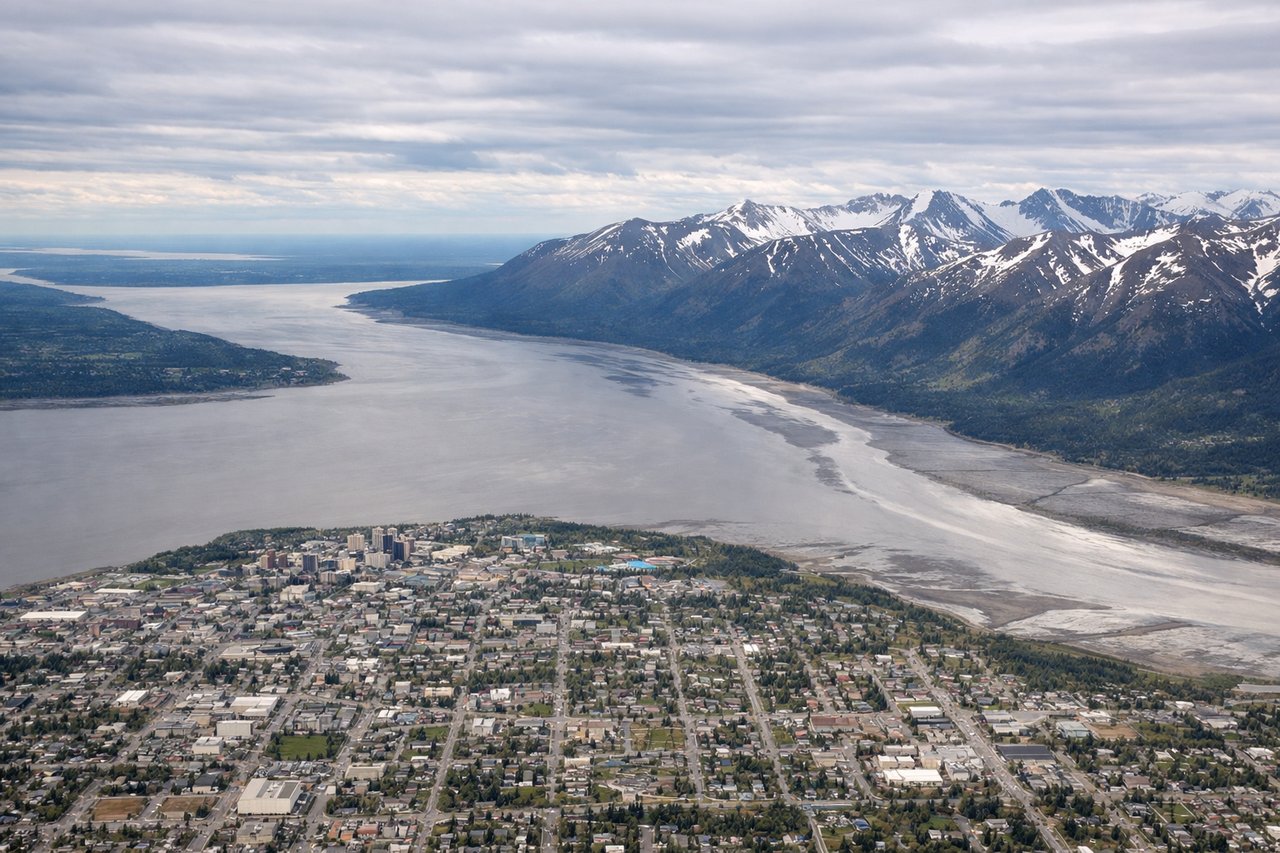
Takeoff from ANC
LEFTLeft-side seats offer views of the Chugach Mountains immediately after departure, with the snow-capped peaks rising directly west of Anchorage. The aircraft climbs southeast initially, so left windows capture the dramatic alpine terrain that defines the Anchorage departure corridor.
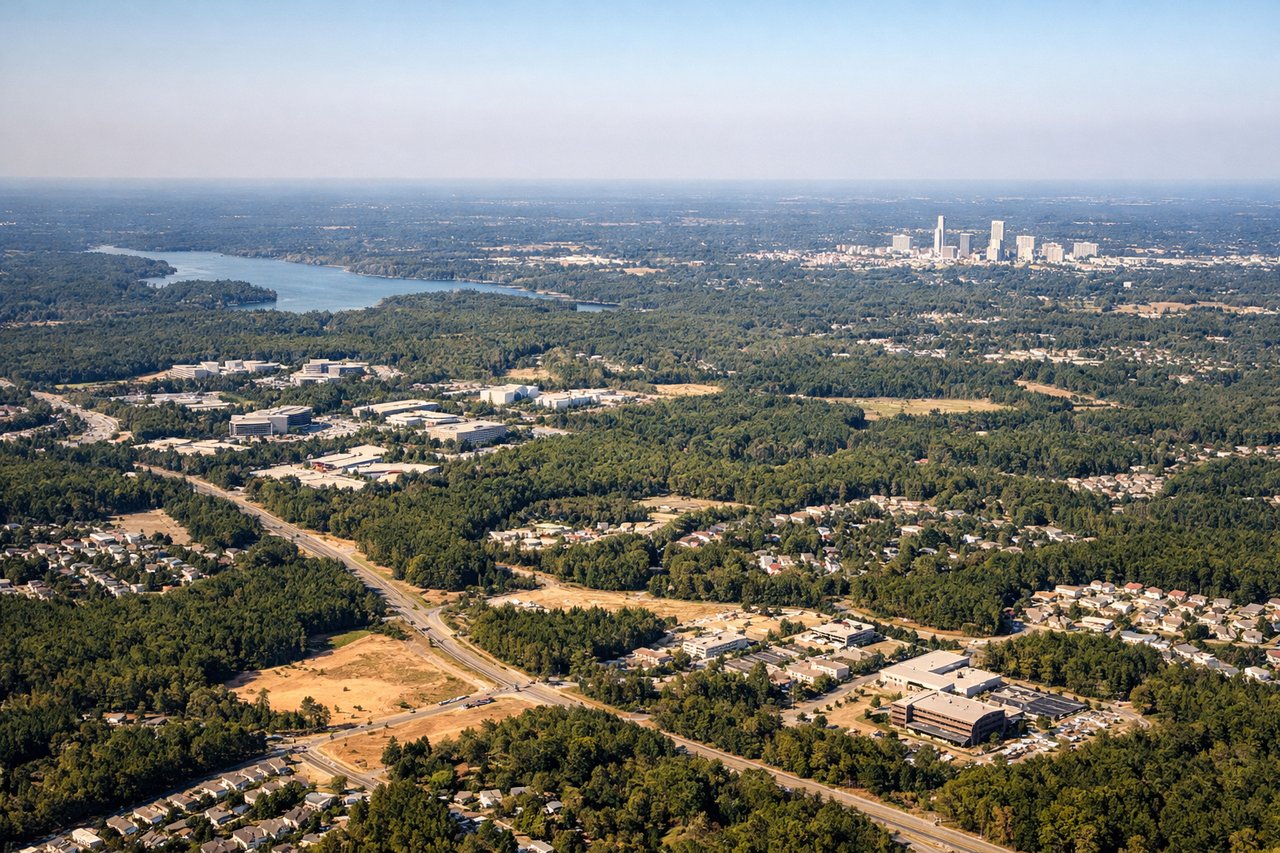
Landing at RDU
RIGHTRight-side seats provide excellent views during the descent into RDU. The aircraft approaches from the northwest, and right windows capture the Piedmont landscape, including views of the Durham-Chapel Hill area and the transition from forested terrain to the airport's developed surroundings.
Will your flight be in sunlight?
Pick a date and time in the Sun Map to watch the sun move across your whole flight.
About This Route
Which side of the plane should I sit on flying from Ted Stevens Anchorage International (ANC) to Raleigh Durham International (RDU)?
Sit on the Right side of the plane for the best views on flights from Anchorage to Raleigh-Durham. While the takeoff offers dramatic Alaskan scenery, the landing provides more sustained visual interest over a longer portion of the flight. The approach into RDU showcases the Piedmont's distinctive landscape character, and right-side seats capture this transition zone effectively. The takeoff is brief and intense; the landing descent is longer and more visually rewarding.
What can I see during takeoff from Ted Stevens Anchorage International in Anchorage?
During takeoff from Ted Stevens Anchorage International (ANC), sit on the Left side for the best views. Left-side seats offer views of the Chugach Mountains immediately after departure, with the snow-capped peaks rising directly west of Anchorage. The aircraft climbs southeast initially, so left windows capture the dramatic alpine terrain that defines the Anchorage departure corridor. Notable sights include: Chugach Mountains, Cook Inlet (visible to the west), Turnagain Arm (southeast of airport), Anchorage city grid.
What can I see when landing at Raleigh Durham International in Raleigh-Durham?
When landing at Raleigh Durham International (RDU), sit on the Right side for the best views. Right-side seats provide excellent views during the descent into RDU. The aircraft approaches from the northwest, and right windows capture the Piedmont landscape, including views of the Durham-Chapel Hill area and the transition from forested terrain to the airport's developed surroundings. Notable sights include: Piedmont plateau terrain, Durham and Chapel Hill urban areas, Neuse River valley, Research Triangle Park development.
How long is the flight from Anchorage to Raleigh-Durham?
The flight from Ted Stevens Anchorage International (ANC) to Raleigh Durham International (RDU) takes about 5 hours 30 minutes. The shortest flight path between them is 3,473 miles (5,589 km); winds and air traffic control usually add a few percent.
What does the Anchorage to Raleigh-Durham flight path pass over?
The flight path crosses the continental interior: the Rocky Mountains (Montana/Wyoming border region) are visible roughly 2-2.5 hours into the flight, with the Absaroka and Beartooth ranges presenting significant peaks. The Great Plains dominate the middle 2-3 hours of flight, appearing as vast flat to gently rolling terrain with scattered lakes and river valleys. The Mississippi River valley becomes visible approximately 3.5-4 hours into the flight, appearing as a broad, meandering corridor with visible floodplain forests. The Appalachian foothills begin appearing in the final 1-1.5 hours, with increasing topographic relief and forest coverage as the aircraft descends toward North Carolina.