While left offers excellent Anchorage departure views, right seats provide superior scenic value on the longer approach to Sydney, with the Blue Mountains and Harbour visible during descent. The landing experience outweighs the takeoff advantage.
Flown ANC to SYD? Did we get it right?
Flight Path
Anchorage to Sydney is 7,351 miles (11,831 km), a flight of about 13 hours 15 minutes.
This routing crosses the North Pacific via the great circle route. Notable features include: the Alaska Peninsula and Aleutian Islands (visible during early westbound flight if daylight permits), the International Date Line crossing, the vast open North Pacific Ocean, and approach to the Australian continent via the Tasman Sea. Most of the flight crosses open ocean with limited landmark visibility. Depending on exact routing and daylight hours, passengers may see portions of the Aleutian chain, but the majority of the journey is over water.
Great circle distance and headings ›

Phase by phase
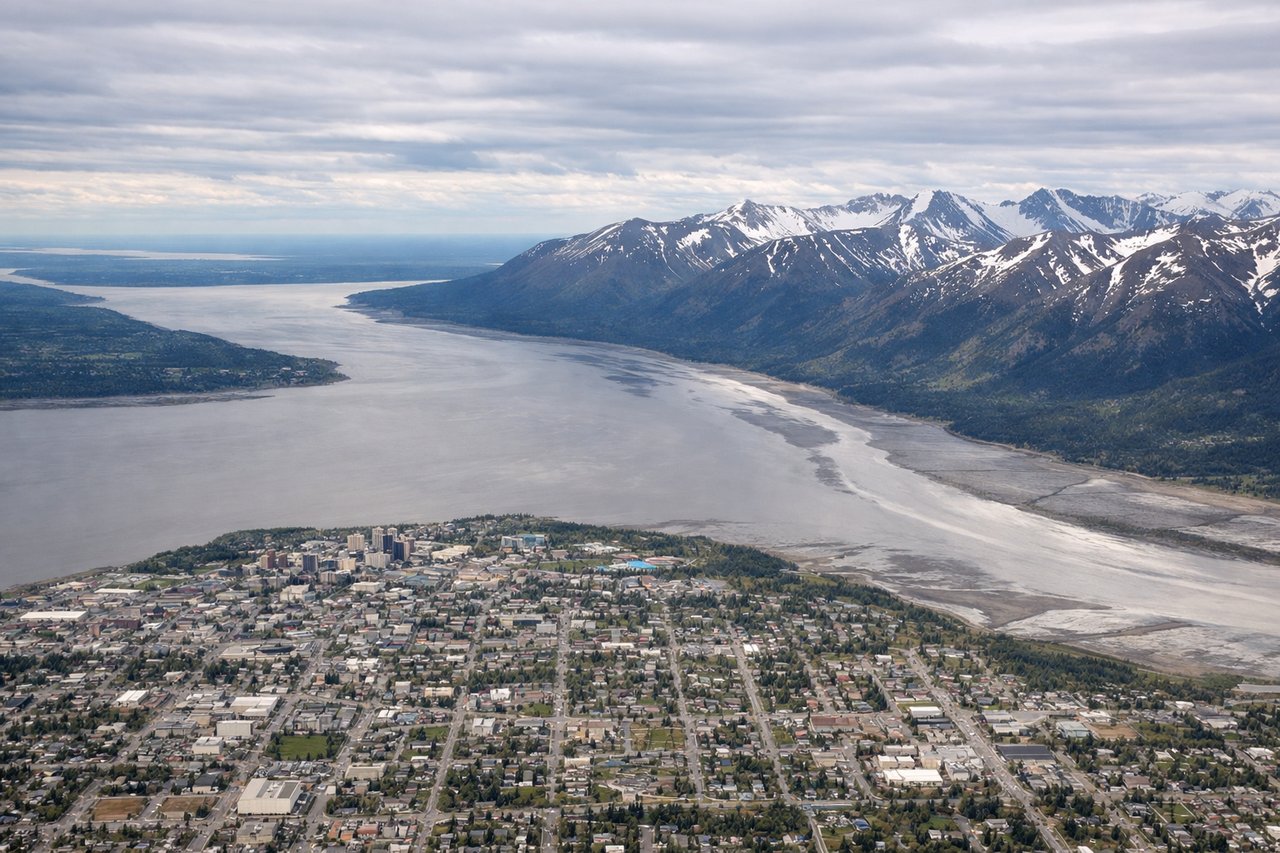
Takeoff from ANC
LEFTLeft seats face west and northwest during departure, offering views of the Chugach Mountains immediately west of Anchorage and Cook Inlet. Right seats face southeast toward the airport's industrial area and flat terrain.
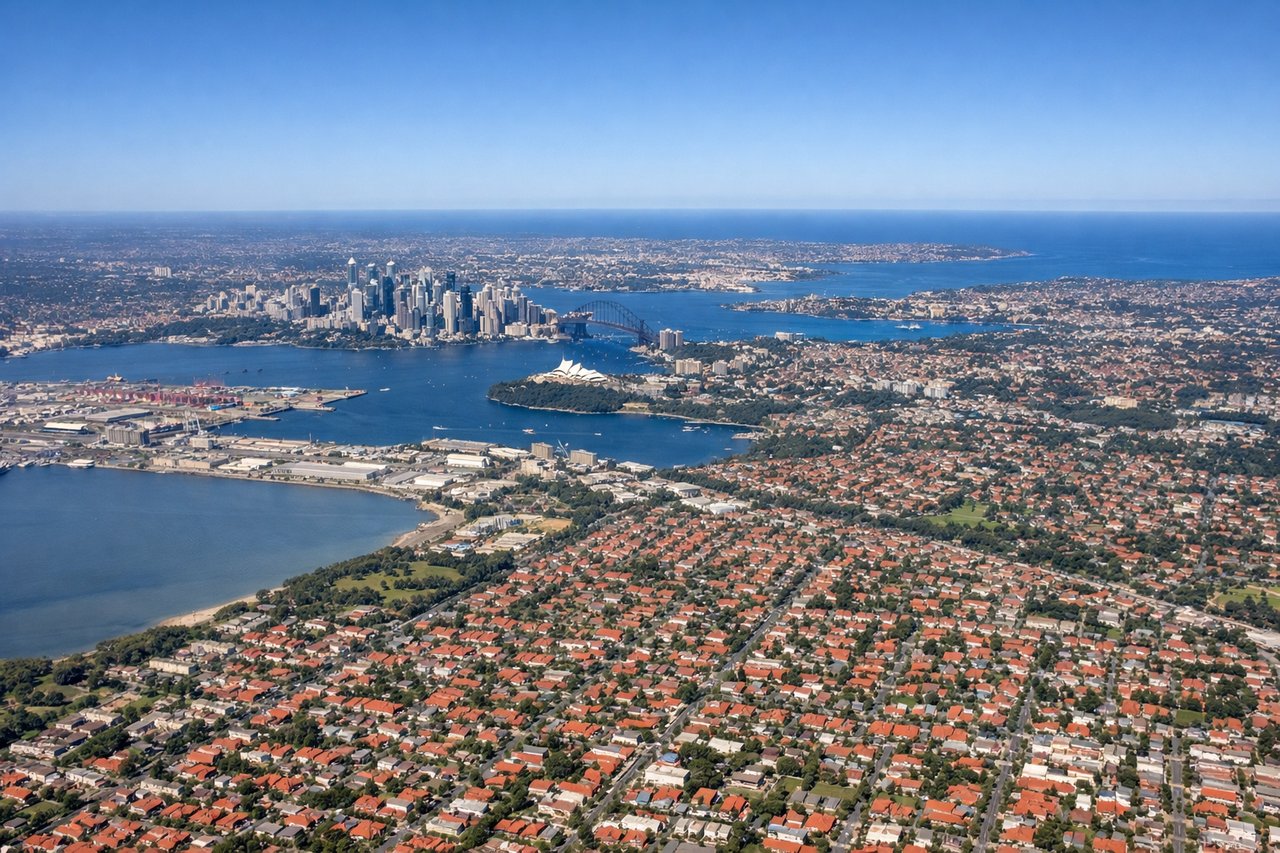
Landing at SYD
RIGHTRight seats face west during approach to Sydney, capturing views of the Blue Mountains and the Great Dividing Range inland from the coast. Left seats face east toward the Tasman Sea with limited scenic interest.
Will your flight be in sunlight?
Pick a date and time in the Sun Map to watch the sun move across your whole flight.
About This Route
Which side of the plane should I sit on flying from Ted Stevens Anchorage International (ANC) to Kingsford Smith International Airport (SYD)?
Sit on the Right side of the plane for the best views on flights from Anchorage to Sydney. While left offers excellent Anchorage departure views, right seats provide superior scenic value on the longer approach to Sydney, with the Blue Mountains and Harbour visible during descent. The landing experience outweighs the takeoff advantage.
What can I see during takeoff from Ted Stevens Anchorage International in Anchorage?
During takeoff from Ted Stevens Anchorage International (ANC), sit on the Left side for the best views. Left seats face west and northwest during departure, offering views of the Chugach Mountains immediately west of Anchorage and Cook Inlet. Right seats face southeast toward the airport's industrial area and flat terrain. Notable sights include: Chugach Mountains (snow-capped peaks directly west), Cook Inlet (broad water body to the northwest), Knik Arm (inlet arm extending northeast), Anchorage city grid (visible below during initial climb).
What can I see when landing at Kingsford Smith International Airport in Sydney?
When landing at Kingsford Smith International Airport (SYD), sit on the Right side for the best views. Right seats face west during approach to Sydney, capturing views of the Blue Mountains and the Great Dividing Range inland from the coast. Left seats face east toward the Tasman Sea with limited scenic interest. Notable sights include: Blue Mountains (western horizon, part of Great Dividing Range), Sydney Harbour (distinctive water body with multiple inlets), Parramatta River (inland waterway visible during descent), Coastal suburbs and beaches (Bondi, Coogee visible along eastern shoreline).
How long is the flight from Anchorage to Sydney?
The flight from Ted Stevens Anchorage International (ANC) to Kingsford Smith International Airport (SYD) takes about 13 hours 15 minutes. The shortest flight path between them is 7,351 miles (11,831 km); winds and air traffic control usually add a few percent.
What does the Anchorage to Sydney flight path pass over?
This routing crosses the North Pacific via the great circle route. Notable features include: the Alaska Peninsula and Aleutian Islands (visible during early westbound flight if daylight permits), the International Date Line crossing, the vast open North Pacific Ocean, and approach to the Australian continent via the Tasman Sea. Most of the flight crosses open ocean with limited landmark visibility. Depending on exact routing and daylight hours, passengers may see portions of the Aleutian chain, but the majority of the journey is over water.