The left side captures a glimpse of the Canadian Maritime coastline early in the ocean crossing and the scenic Mediterranean approach into Rome, giving it more cumulative landmark variety than the right side, which is dominated by open Atlantic with little visual interest until touchdown.
Flight Path
Open North Atlantic Ocean, roughly south of Newfoundland and northwest of the Azores; no land is visible at this point in the crossing
Great circle distance and headings ›.jpeg?width=600)


Phase by phase
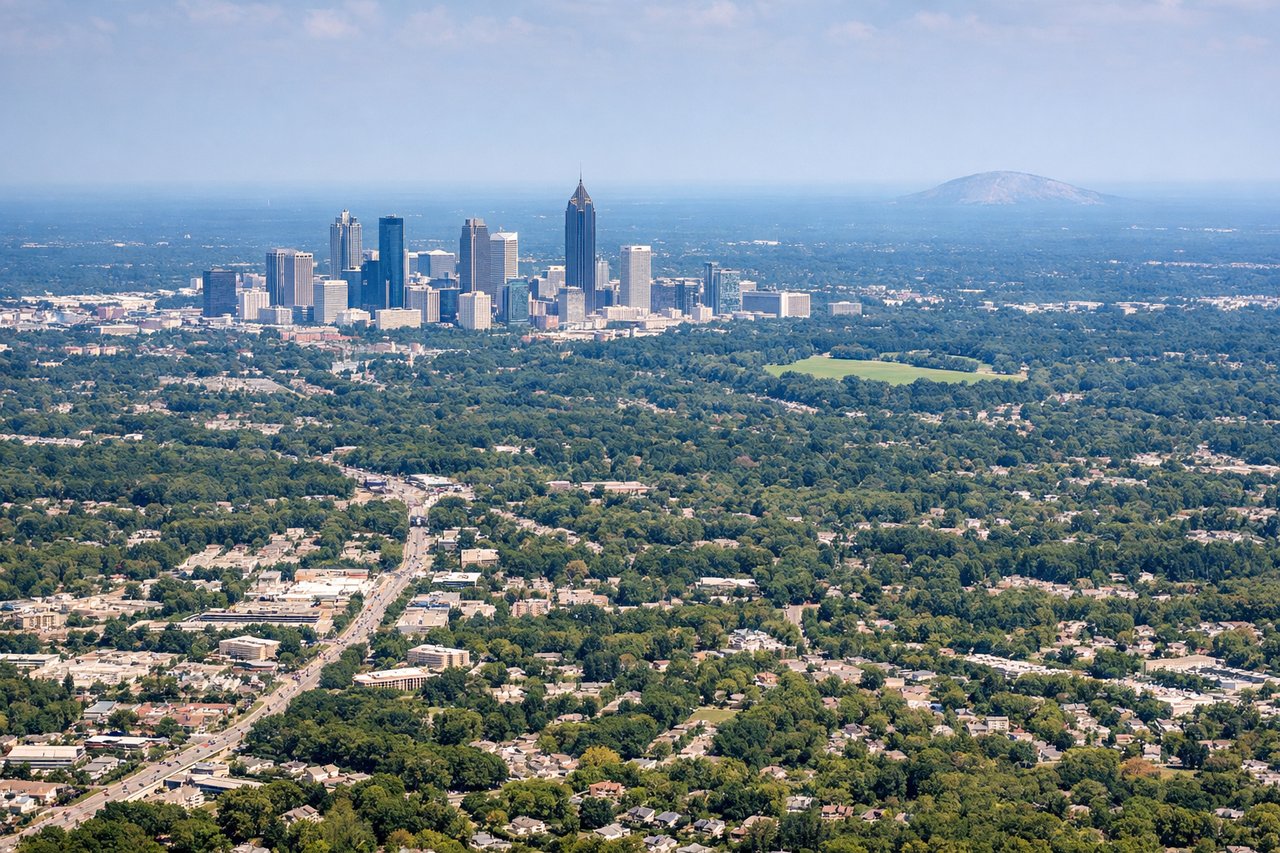
Takeoff from ATL
RIGHTDeparting ATL toward the west before turning onto the transatlantic route puts downtown Atlanta's skyline and Stone Mountain's granite dome on the right side of the aircraft during the initial climb. It's a brief moment of interest before the long flat Piedmont countryside gives way to featureless cruise.
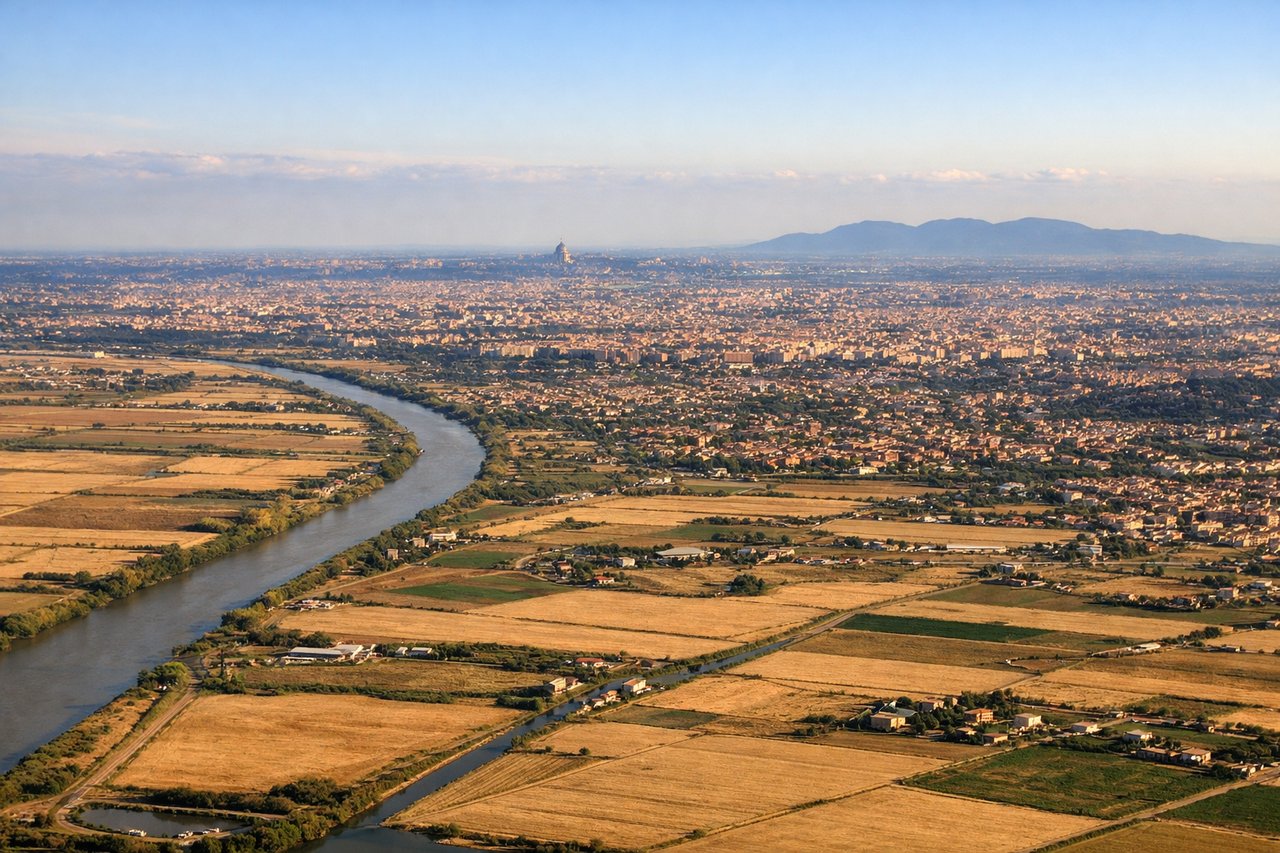
Landing at FCO
LEFTFCO's typical landing direction from the south means the final approach heading is roughly north, putting the Tyrrhenian coastline, the Tiber delta, and the beaches of Ostia on the left side of the plane. It's the most visually distinct scenery of the entire flight after hours over open ocean.
Landmarks on this routeAll landmarks →
Will your flight be in sunlight?
See exactly which side of the plane gets sun and shade at your departure time.
About This Route
Which side of the plane should I sit on flying from The William B Hartsfield Atlanta International (ATL) to Fiumicino (FCO)?
Sit on the Left side of the plane for the best views on flights from Atlanta to Rome. The left side captures a glimpse of the Canadian Maritime coastline early in the ocean crossing and the scenic Mediterranean approach into Rome, giving it more cumulative landmark variety than the right side, which is dominated by open Atlantic with little visual interest until touchdown.
What can I see during takeoff from The William B Hartsfield Atlanta International in Atlanta?
During takeoff from The William B Hartsfield Atlanta International (ATL), sit on the Right side for the best views. Departing ATL toward the west before turning onto the transatlantic route puts downtown Atlanta's skyline and Stone Mountain's granite dome on the right side of the aircraft during the initial climb. It's a brief moment of interest before the long flat Piedmont countryside gives way to featureless cruise. Notable sights include: Downtown Atlanta skyline, Stone Mountain, Chattahoochee River, Piedmont suburban sprawl.
What can I see when landing at Fiumicino in Rome?
When landing at Fiumicino (FCO), sit on the Left side for the best views. FCO's typical landing direction from the south means the final approach heading is roughly north, putting the Tyrrhenian coastline, the Tiber delta, and the beaches of Ostia on the left side of the plane. It's the most visually distinct scenery of the entire flight after hours over open ocean. Notable sights include: Tyrrhenian Sea coastline, Tiber River delta, Ostia beaches, Fiumicino harbor.
How long is the flight from Atlanta to Rome?
The flight from The William B Hartsfield Atlanta International (ATL) to Fiumicino (FCO) takes 9h 35m.
What does the Atlanta to Rome flight path pass over?
Open North Atlantic Ocean, roughly south of Newfoundland and northwest of the Azores; no land is visible at this point in the crossing