The left side offers a stronger overall experience thanks to the scenic Moreton Bay and Gold Coast departure, even though the right side pulls ahead briefly for the Melbourne skyline on arrival; across the full flight, cruise and takeoff scenery tip the balance left.
Flight Path
Northern New South Wales tablelands and the northern fringe of the Great Dividing Range, seen as low forested ridgelines beneath the cruise track.
Great circle distance and headings ›Phase by phase
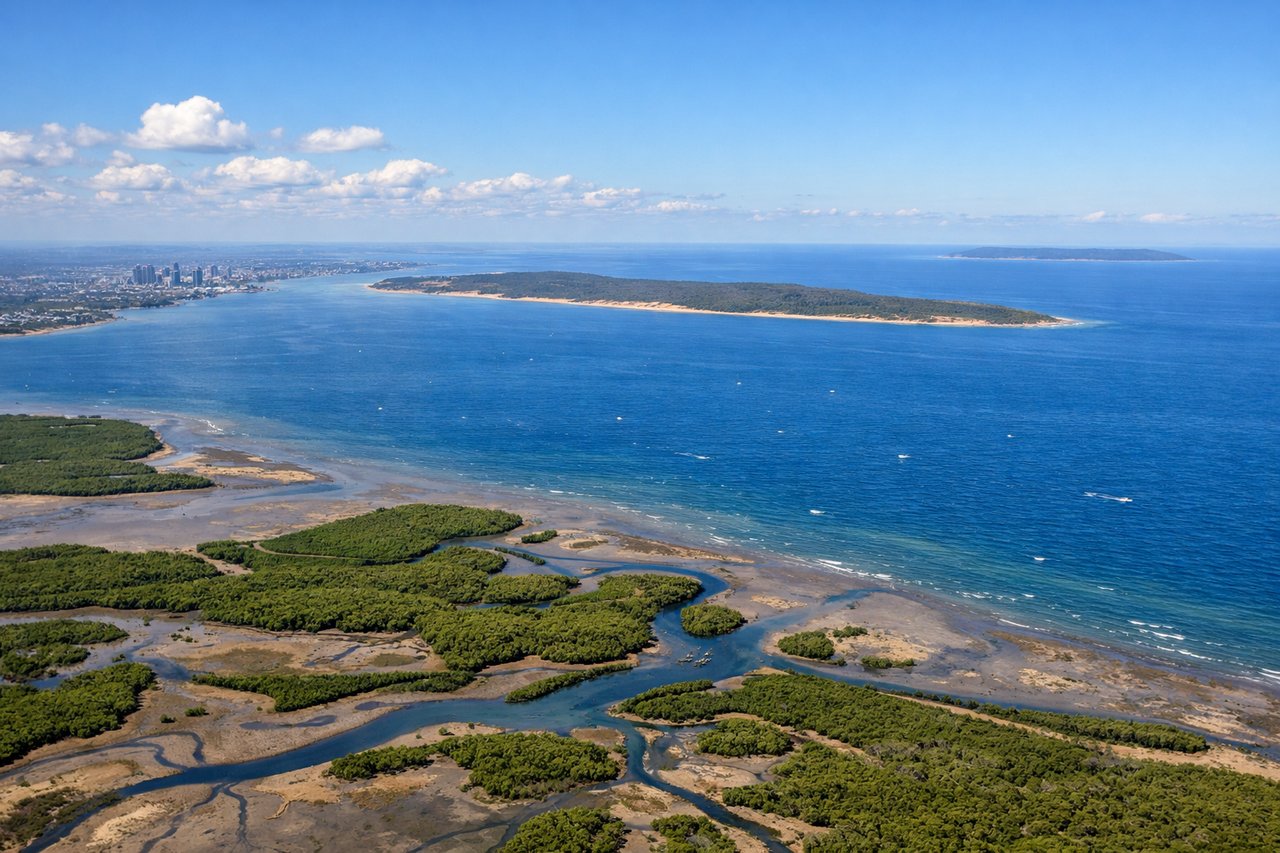
Takeoff from BNE
LEFTDeparting BNE southbound, the climb-out passes directly over Moreton Bay and the Brisbane River mouth, with the Gold Coast high-rises and coastline visible further south. The right side only shows the flat Lockyer Valley farmland inland.
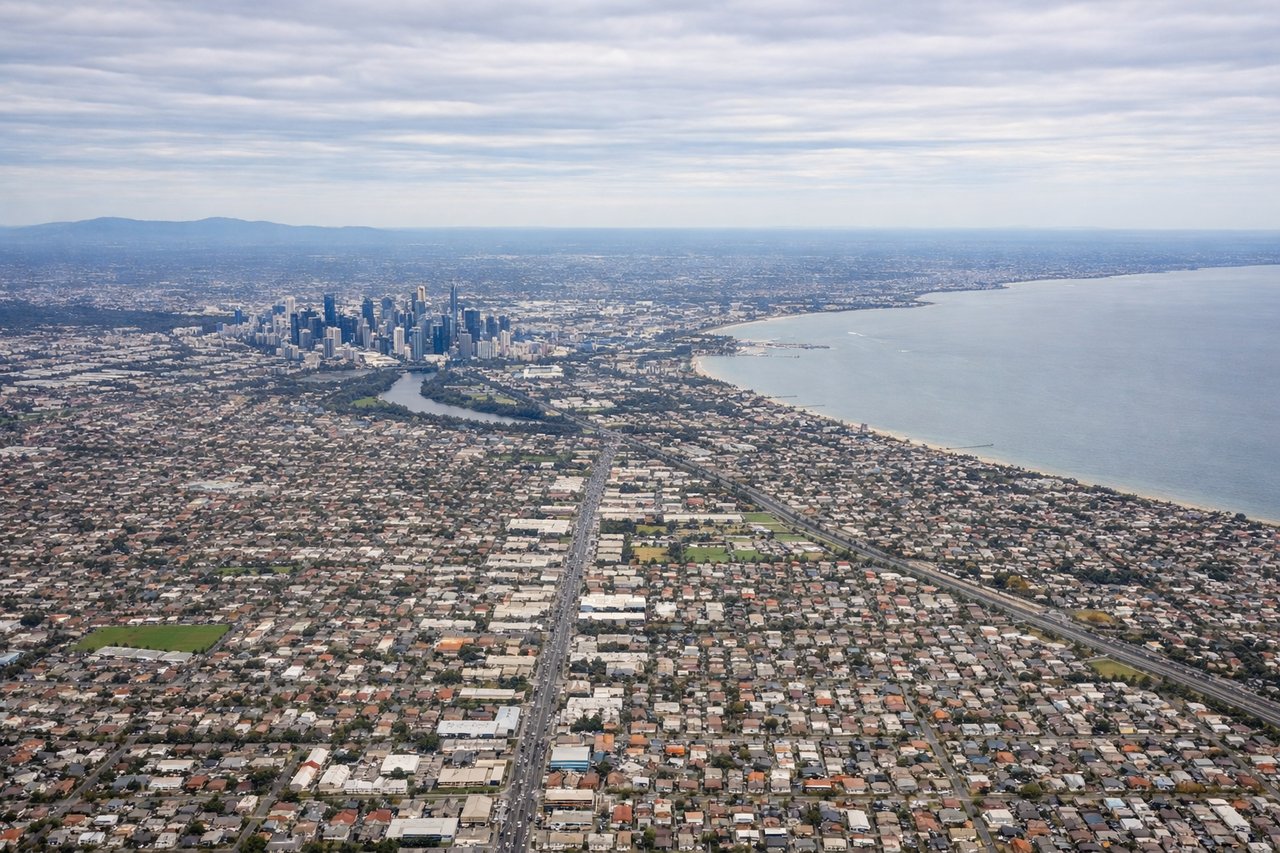
Landing at MEL
RIGHTOn approach into MEL from the north, the descent path brings Port Phillip Bay and the Melbourne CBD skyline into view on the western side of the aircraft, offering a strong urban and coastal finale. The eastern side during this approach mostly shows the flat outer suburbs and farmland.
Will your flight be in sunlight?
See exactly which side of the plane gets sun and shade at your departure time.
About This Route
Which side of the plane should I sit on flying from Brisbane International (BNE) to Melbourne International (MEL)?
Sit on the Left side of the plane for the best views on flights from Brisbane to Melbourne. The left side offers a stronger overall experience thanks to the scenic Moreton Bay and Gold Coast departure, even though the right side pulls ahead briefly for the Melbourne skyline on arrival; across the full flight, cruise and takeoff scenery tip the balance left.
What can I see during takeoff from Brisbane International in Brisbane?
During takeoff from Brisbane International (BNE), sit on the Left side for the best views. Departing BNE southbound, the climb-out passes directly over Moreton Bay and the Brisbane River mouth, with the Gold Coast high-rises and coastline visible further south. The right side only shows the flat Lockyer Valley farmland inland. Notable sights include: Moreton Bay, Brisbane River mouth, Moreton Island, Gold Coast skyline.
What can I see when landing at Melbourne International in Melbourne?
When landing at Melbourne International (MEL), sit on the Right side for the best views. On approach into MEL from the north, the descent path brings Port Phillip Bay and the Melbourne CBD skyline into view on the western side of the aircraft, offering a strong urban and coastal finale. The eastern side during this approach mostly shows the flat outer suburbs and farmland. Notable sights include: Melbourne CBD skyline, Port Phillip Bay, Westgate Bridge, Yarra River.
How long is the flight from Brisbane to Melbourne?
The flight from Brisbane International (BNE) to Melbourne International (MEL) takes 1h 35m.
What does the Brisbane to Melbourne flight path pass over?
Northern New South Wales tablelands and the northern fringe of the Great Dividing Range, seen as low forested ridgelines beneath the cruise track.