Left side wins both ends of the flight. During the cruise, the left side also offers better views of the Aegean Sea islands, the Turkish coast, and the Zagros Mountains of Iran as the route tracks southeast. Right side is mostly open water or featureless desert interior for much of the journey.
Flown CPH to DXB? Did we get it right?
Flight Path
Copenhagen to Dubai is 2,994 miles (4,819 km), a flight of about 6 hours 30 minutes.
The route crosses southern Sweden briefly, then tracks over Germany and Austria before entering the Balkans over Serbia and Bulgaria. The Aegean Sea and Greek islands are visible around the midpoint. The route then crosses Turkey, with the Taurus Mountains visible in southern Anatolia, before crossing into Iran over the Zagros mountain ranges. The final descent crosses the Persian Gulf coast of the UAE.
Great circle distance and headings ›


Phase by phase
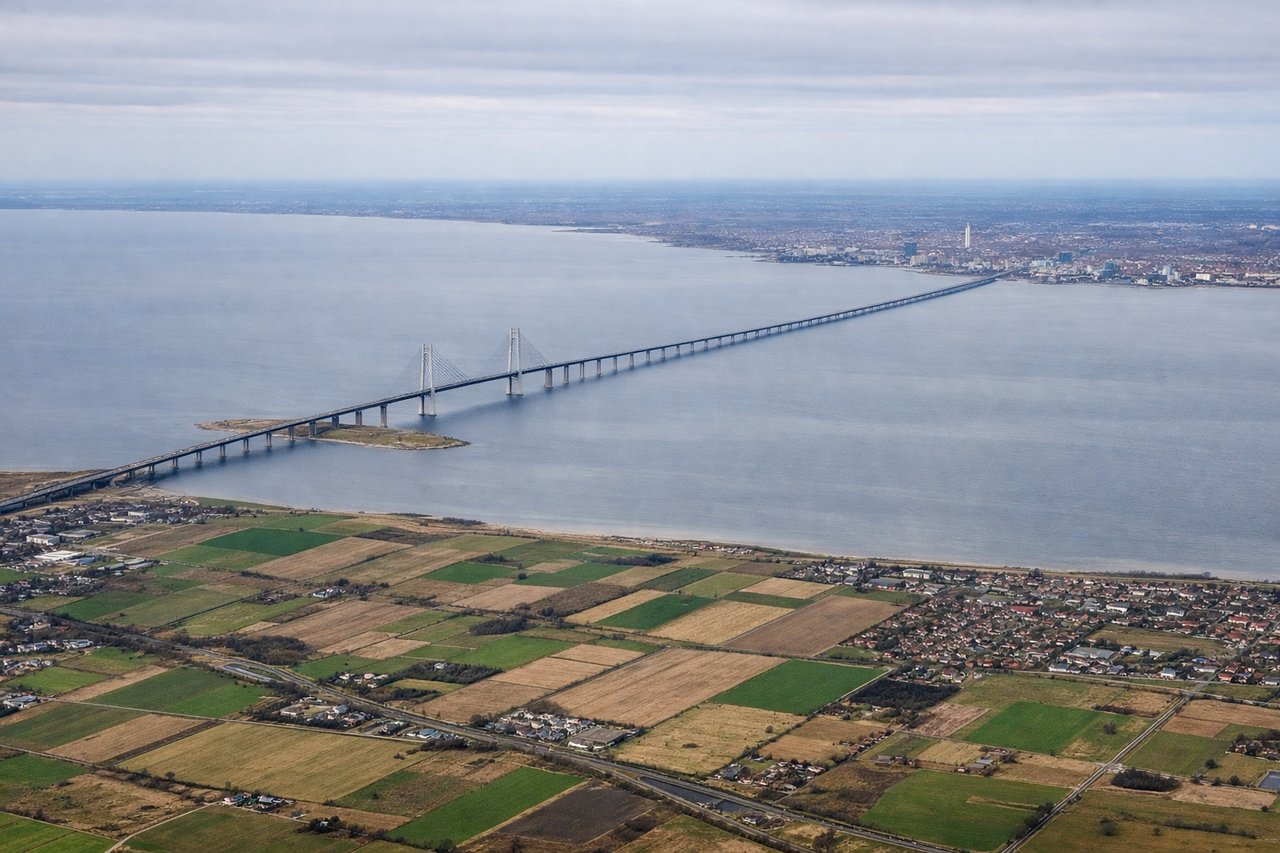
Takeoff from CPH
LEFTCPH's primary departure runway 22L sends aircraft southwest over the Øresund strait, and left-side seats face southeast toward the bridge. The Øresund Bridge connecting Denmark to Sweden is clearly visible as you climb out, along with the Swedish coastline of Malmö. Right side gets the flat Danish hinterland.
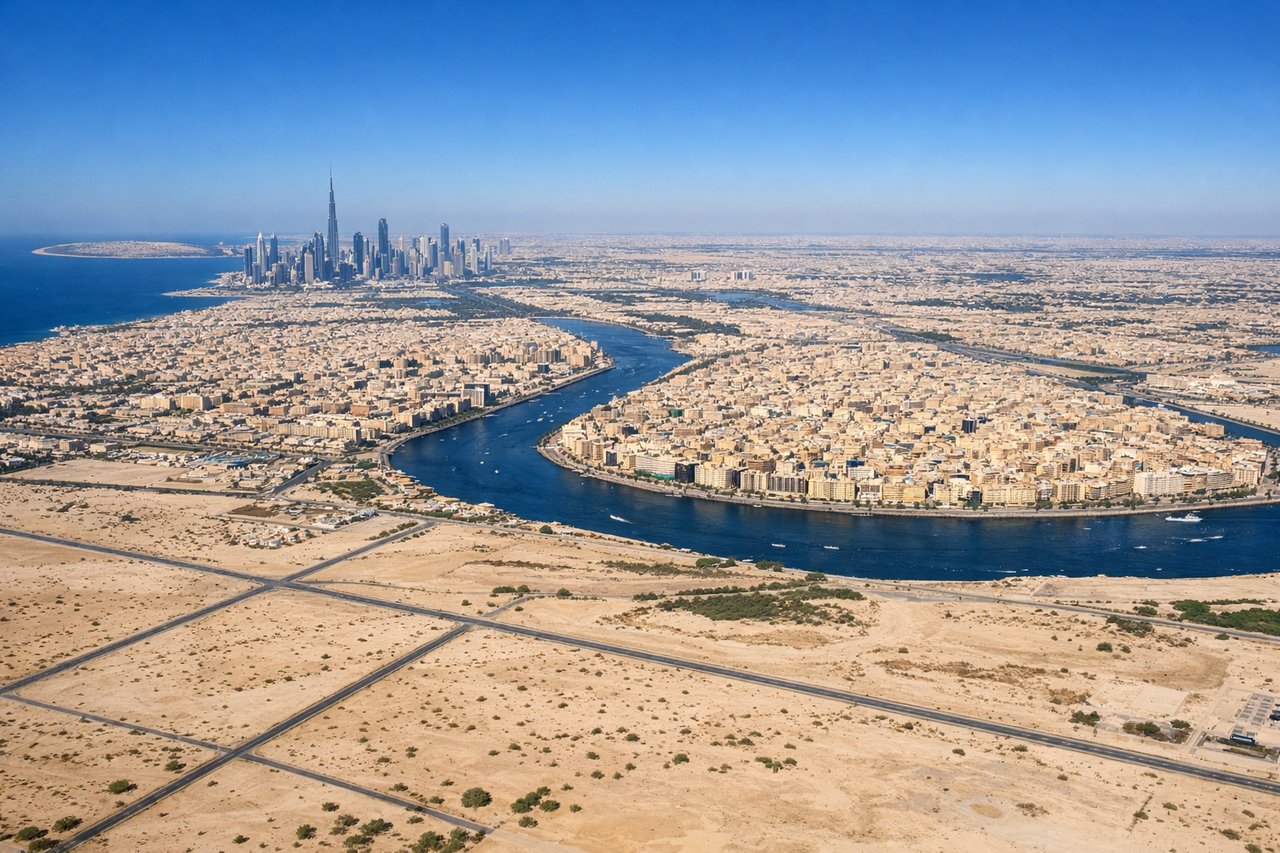
Landing at DXB
LEFTDubai International's primary arrival runway 12L brings aircraft in from the northwest tracking southeast, placing left-side seats on the north-facing side with views over Dubai Creek, Deira, and the older city districts. Right side faces the desert interior. On runway 30R arrivals the geometry reverses, but 12L is the dominant flow for flights from Europe.
Will your flight be in sunlight?
Pick a date and time in the Sun Map to watch the sun move across your whole flight.
About This Route
Which side of the plane should I sit on flying from Kastrup (CPH) to Dubai International (DXB)?
Sit on the Left side of the plane for the best views on flights from Copenhagen to Dubai. Left side wins both ends of the flight. During the cruise, the left side also offers better views of the Aegean Sea islands, the Turkish coast, and the Zagros Mountains of Iran as the route tracks southeast. Right side is mostly open water or featureless desert interior for much of the journey.
What can I see during takeoff from Kastrup in Copenhagen?
During takeoff from Kastrup (CPH), sit on the Left side for the best views. CPH's primary departure runway 22L sends aircraft southwest over the Øresund strait, and left-side seats face southeast toward the bridge. The Øresund Bridge connecting Denmark to Sweden is clearly visible as you climb out, along with the Swedish coastline of Malmö. Right side gets the flat Danish hinterland. Notable sights include: Øresund Bridge (Copenhagen-Malmö), Malmö city waterfront, Amager Fælled wetlands below, Copenhagen city centre and harbour.
What can I see when landing at Dubai International in Dubai?
When landing at Dubai International (DXB), sit on the Left side for the best views. Dubai International's primary arrival runway 12L brings aircraft in from the northwest tracking southeast, placing left-side seats on the north-facing side with views over Dubai Creek, Deira, and the older city districts. Right side faces the desert interior. On runway 30R arrivals the geometry reverses, but 12L is the dominant flow for flights from Europe. Notable sights include: Dubai Creek and Deira district, Dubai Frame visible near Zabeel, downtown Dubai skyline with Burj Khalifa, Palm Jumeirah in the distance to the southwest.
How long is the flight from Copenhagen to Dubai?
The flight from Kastrup (CPH) to Dubai International (DXB) takes about 6 hours 30 minutes. The shortest flight path between them is 2,994 miles (4,819 km); winds and air traffic control usually add a few percent.
What does the Copenhagen to Dubai flight path pass over?
The route crosses southern Sweden briefly, then tracks over Germany and Austria before entering the Balkans over Serbia and Bulgaria. The Aegean Sea and Greek islands are visible around the midpoint. The route then crosses Turkey, with the Taurus Mountains visible in southern Anatolia, before crossing into Iran over the Zagros mountain ranges. The final descent crosses the Persian Gulf coast of the UAE.