Right side scores higher (3.5 vs 2.5) due to superior scenic variety across the full flight. Takeoff offers the Øresund Strait and Swedish coast; cruise crosses the North Sea and Mediterranean-bound routes with occasional glimpses of Alpine foothills; landing delivers the dramatic Phang Nga Bay karst landscape and Krabi's coastal cliffs—genuinely distinctive features. Left side remains predominantly flat or ocean-dominated throughout, with minimal terrain drama except brief glimpses of mainland Thailand.
Flown CPH to KBV? Did we get it right?
Flight Path
Copenhagen to Krabi is 5,614 miles (9,036 km), a flight of about 11 hours 15 minutes.
North Sea crossing (open water, 2-3 hours); Alpine foothills and Mediterranean coast near southern France/northern Italy (brief glimpses during cruise); Adriatic Sea; Greek islands and Aegean Sea; Turkish coast; eastern Mediterranean; Levantine coast; Arabian Peninsula and Persian Gulf region; Indian Ocean crossing toward Southeast Asia; Andaman Sea approach to Thailand
Great circle distance and headings ›Phase by phase
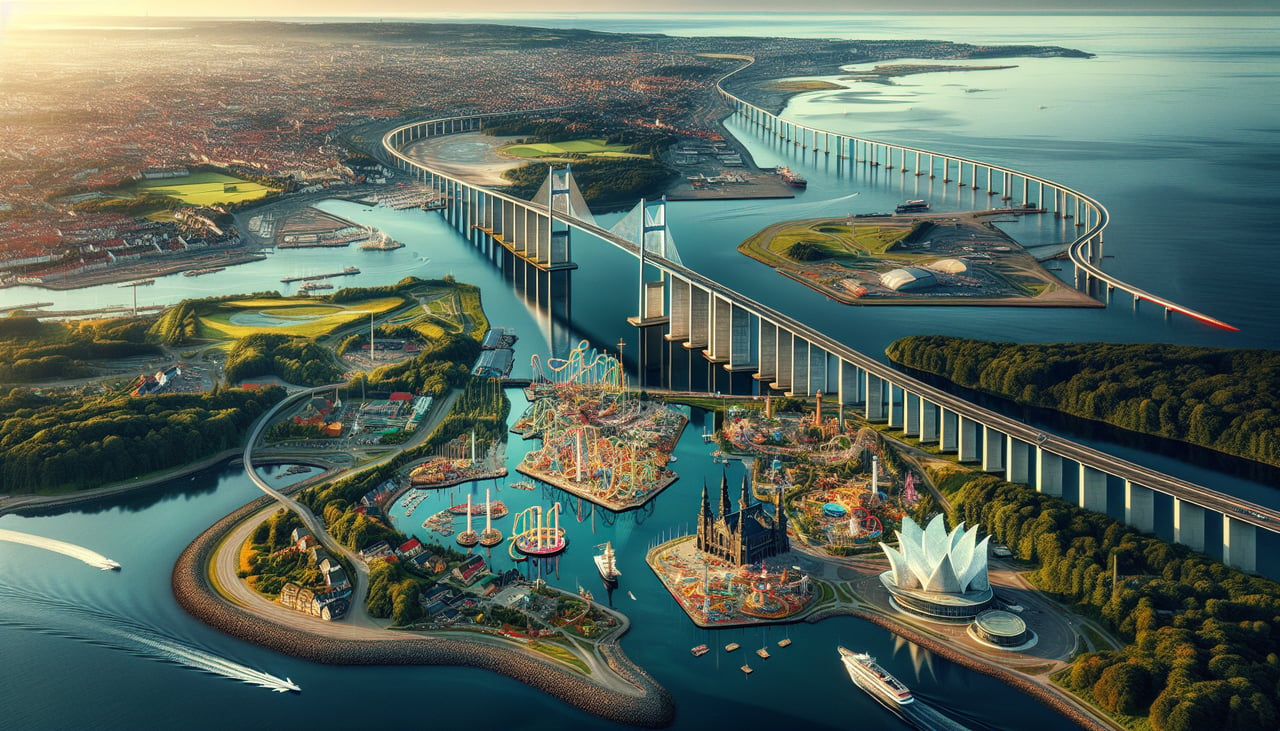
Takeoff from CPH
RIGHTRight side captures Copenhagen's harbor and Øresund Strait during initial climb, with the Swedish coast visible across the water. Left side faces inland toward flat Danish countryside with minimal visual interest during departure.
Landing at KBV
RIGHTRight side offers superior approach scenery: the descent into Krabi crosses the Andaman Sea with limestone karst formations becoming increasingly visible, culminating in dramatic views of Phang Nga Bay's iconic rock towers and Krabi's coastal cliffs during final approach. Left side faces open ocean and Thai mainland with less distinctive visual features.
Will your flight be in sunlight?
Pick a date and time in the Sun Map to watch the sun move across your whole flight.
About This Route
Which side of the plane should I sit on flying from Kastrup (CPH) to Krabi International Airport (KBV)?
Sit on the Right side of the plane for the best views on flights from Copenhagen to Krabi. Right side scores higher (3.5 vs 2.5) due to superior scenic variety across the full flight. Takeoff offers the Øresund Strait and Swedish coast; cruise crosses the North Sea and Mediterranean-bound routes with occasional glimpses of Alpine foothills; landing delivers the dramatic Phang Nga Bay karst landscape and Krabi's coastal cliffs—genuinely distinctive features. Left side remains predominantly flat or ocean-dominated throughout, with minimal terrain drama except brief glimpses of mainland Thailand.
What can I see during takeoff from Kastrup in Copenhagen?
During takeoff from Kastrup (CPH), sit on the Right side for the best views. Right side captures Copenhagen's harbor and Øresund Strait during initial climb, with the Swedish coast visible across the water. Left side faces inland toward flat Danish countryside with minimal visual interest during departure. Notable sights include: Øresund Strait, Copenhagen harbor and Langelinie waterfront, Malmö skyline across the sound, flat Sjælland plains receding westward.
What can I see when landing at Krabi International Airport in Krabi?
When landing at Krabi International Airport (KBV), sit on the Right side for the best views. Right side offers superior approach scenery: the descent into Krabi crosses the Andaman Sea with limestone karst formations becoming increasingly visible, culminating in dramatic views of Phang Nga Bay's iconic rock towers and Krabi's coastal cliffs during final approach. Left side faces open ocean and Thai mainland with less distinctive visual features. Notable sights include: Phang Nga Bay limestone karsts and rock towers, Krabi's coastal cliffs and beaches, Andaman Sea, Krabi town and harbor.
How long is the flight from Copenhagen to Krabi?
The flight from Kastrup (CPH) to Krabi International Airport (KBV) takes about 11 hours 15 minutes. The shortest flight path between them is 5,614 miles (9,036 km); winds and air traffic control usually add a few percent.
What does the Copenhagen to Krabi flight path pass over?
North Sea crossing (open water, 2-3 hours); Alpine foothills and Mediterranean coast near southern France/northern Italy (brief glimpses during cruise); Adriatic Sea; Greek islands and Aegean Sea; Turkish coast; eastern Mediterranean; Levantine coast; Arabian Peninsula and Persian Gulf region; Indian Ocean crossing toward Southeast Asia; Andaman Sea approach to Thailand