The right side delivers the iconic Table Mountain and Cape Peninsula departure, which is one of the most spectacular urban-mountain-ocean combinations in aviation. The landing advantage on the left is real but less dramatic. Right side wins overall for the takeoff spectacle alone.
Flight Path
The route tracks northeast over the Mozambique Channel, then crosses Tanzania and Kenya near the East African Rift Valley lakes including Lake Malawi and Lake Tanganyika visible as long narrow blue bodies. The flight then crosses the Ethiopian Highlands, Somalia, and the Gulf of Aden before crossing the Arabian Peninsula desert over Yemen and Oman, with the Hajar Mountains of Oman occasionally visible before descent into Dubai.
Great circle distance and headings ›


.jpg?width=600)
_and_the_Dubai_skyline_(25781049892).jpg?width=600)
Phase by phase
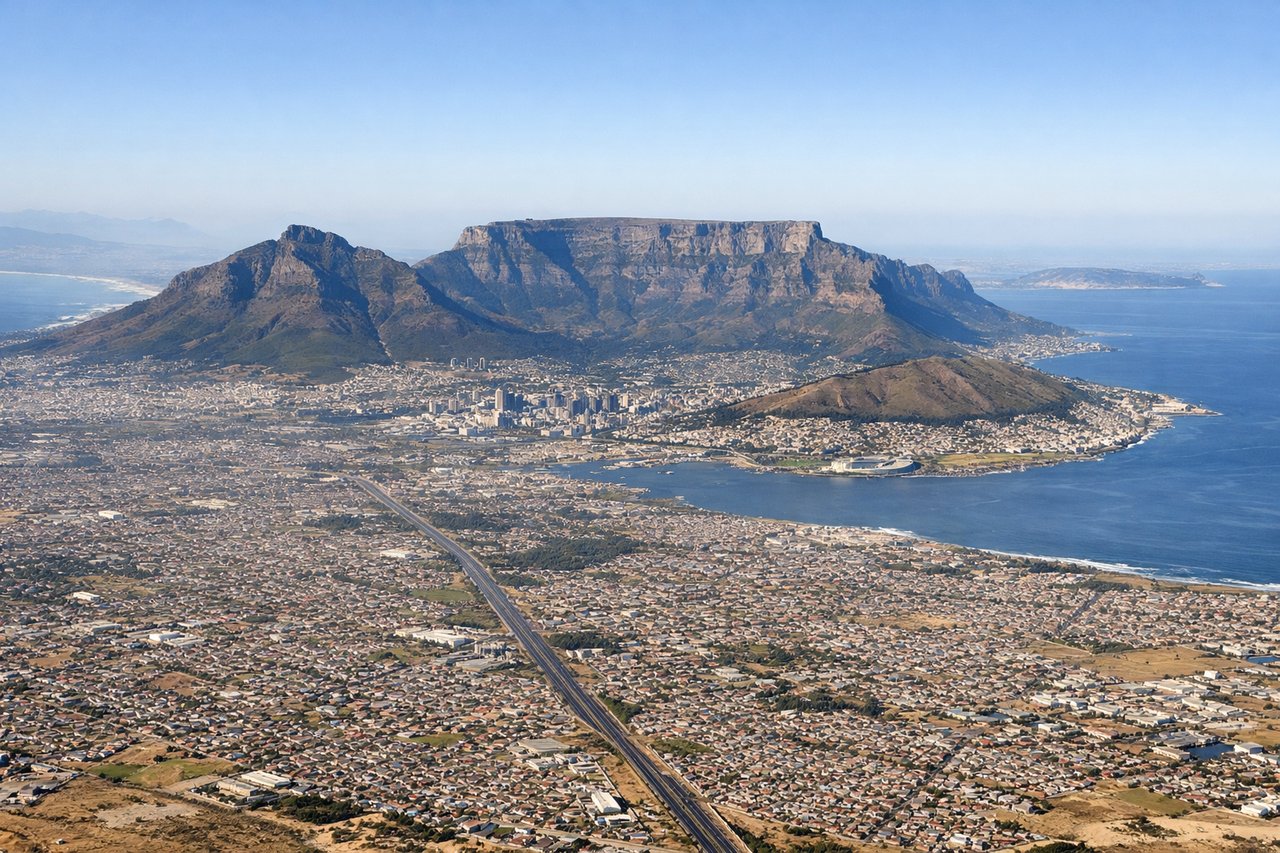
Takeoff from CPT
RIGHTCape Town International typically departs on runway 01 (northbound) or 19 (southbound). On the dominant runway 01 departure heading north, the right side gives you Table Mountain, the Cape Peninsula, and the Atlantic seaboard. Table Mountain's flat-topped silhouette is unmistakable and the city bowl sits directly below it.
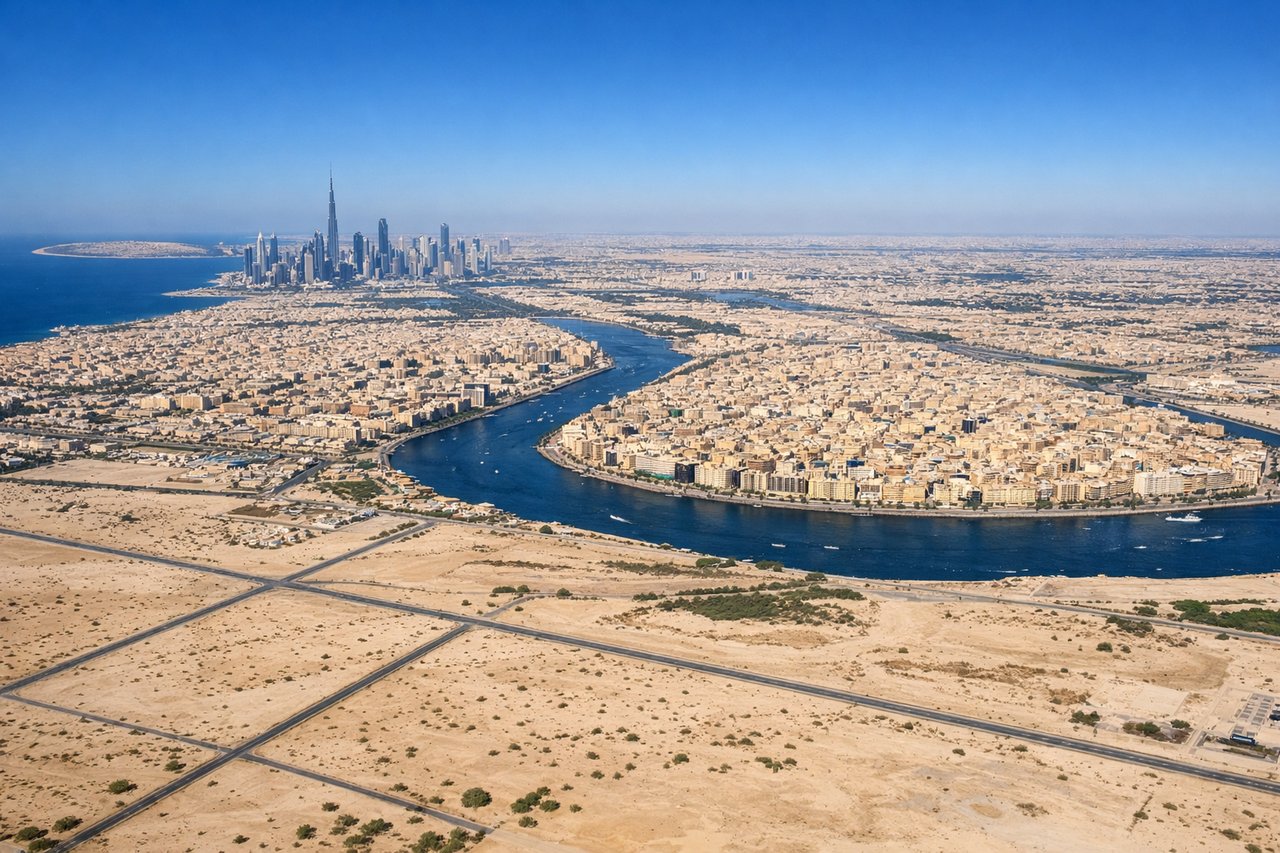
Landing at DXB
LEFTDubai International's primary arrival runway is 30L/30R, approaching from the southeast over the desert. On this heading the left side faces north toward the Dubai Creek, Deira, and the downtown skyline including the Burj Khalifa. The right side faces south over featureless desert and industrial zones.
Landmarks on this routeAll landmarks →
Will your flight be in sunlight?
See exactly which side of the plane gets sun and shade at your departure time.
About This Route
Which side of the plane should I sit on flying from Cape Town International (CPT) to Dubai International (DXB)?
Sit on the Right side of the plane for the best views on flights from Cape Town to Dubai. The right side delivers the iconic Table Mountain and Cape Peninsula departure, which is one of the most spectacular urban-mountain-ocean combinations in aviation. The landing advantage on the left is real but less dramatic. Right side wins overall for the takeoff spectacle alone.
What can I see during takeoff from Cape Town International in Cape Town?
During takeoff from Cape Town International (CPT), sit on the Right side for the best views. Cape Town International typically departs on runway 01 (northbound) or 19 (southbound). On the dominant runway 01 departure heading north, the right side gives you Table Mountain, the Cape Peninsula, and the Atlantic seaboard. Table Mountain's flat-topped silhouette is unmistakable and the city bowl sits directly below it. Notable sights include: Table Mountain and its flat plateau, Cape Town city bowl and harbour, Robben Island in Table Bay, the Twelve Apostles mountain range along the Atlantic coast.
What can I see when landing at Dubai International in Dubai?
When landing at Dubai International (DXB), sit on the Left side for the best views. Dubai International's primary arrival runway is 30L/30R, approaching from the southeast over the desert. On this heading the left side faces north toward the Dubai Creek, Deira, and the downtown skyline including the Burj Khalifa. The right side faces south over featureless desert and industrial zones. Notable sights include: Burj Khalifa and Downtown Dubai skyline, Dubai Creek and Deira district, Palm Jumeirah artificial island, the Persian Gulf coastline.
How long is the flight from Cape Town to Dubai?
The flight from Cape Town International (CPT) to Dubai International (DXB) takes Approximately 9 to 10 hours.
What does the Cape Town to Dubai flight path pass over?
The route tracks northeast over the Mozambique Channel, then crosses Tanzania and Kenya near the East African Rift Valley lakes including Lake Malawi and Lake Tanganyika visible as long narrow blue bodies. The flight then crosses the Ethiopian Highlands, Somalia, and the Gulf of Aden before crossing the Arabian Peninsula desert over Yemen and Oman, with the Hajar Mountains of Oman occasionally visible before descent into Dubai.