The takeoff scenery from Cartagena—Caribbean waters, tropical islands, and coastal formations—is more visually distinctive and memorable than the landing approach into Newark, which, while interesting, features primarily industrial and urban infrastructure. Right-side seats capture the more scenic portion of this route.
Flown CTG to EWR? Did we get it right?
Flight Path
Cartagena to Newark is 2,092 miles (3,366 km), a flight of about 5 hours.
The flight path crosses the Caribbean Sea northwestward, passing east of Jamaica and Cuba. Over open water, there are no major visible landmarks, but the Bahamas archipelago becomes visible as the aircraft approaches the southeastern United States. The flight then crosses Florida (typically over the peninsula's eastern side or slightly inland), where the Everglades and coastal features may be visible depending on exact routing. The aircraft then continues northeastward along the U.S. East Coast, potentially offering views of the Georgia and South Carolina coastlines, the Outer Banks of North Carolina, and eventually the Mid-Atlantic coast before descending into the Newark area.
Great circle distance and headings ›


Phase by phase
Takeoff from CTG
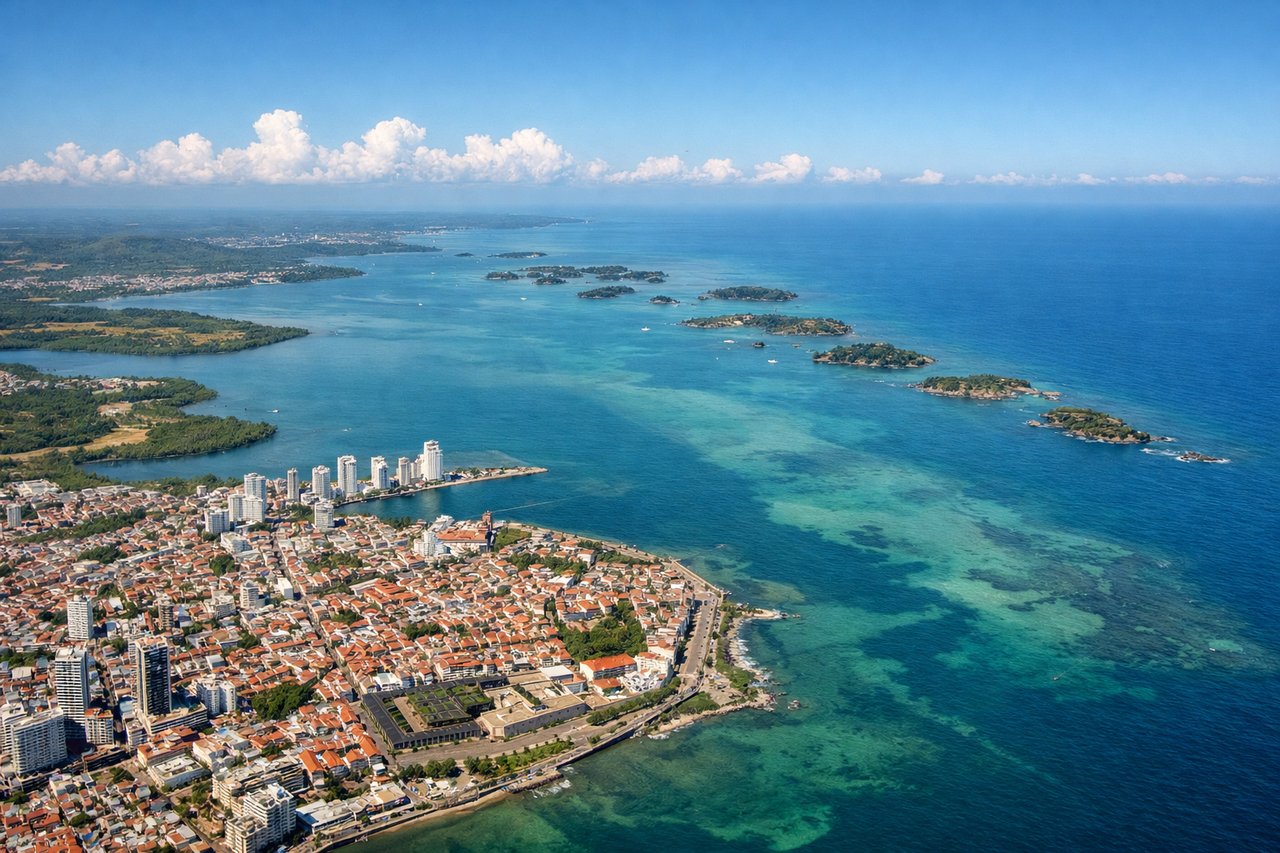
RIGHTRight-side seats offer views of Cartagena's Caribbean coastline and the archipelago of Rosario Islands immediately after departure. The aircraft climbs northwestward over open water, giving unobstructed views of the turquoise shallow bays and island formations that define this region.

Landing at EWR
LEFTLeft-side seats provide views of the New Jersey coast, Hudson River, and Manhattan skyline during the final approach into Newark. The aircraft descends over the Hudson River estuary and Newark Bay, offering clear sightlines of the urban landscape and waterfront features that dominate the approach corridor.
Will your flight be in sunlight?
Pick a date and time in the Sun Map to watch the sun move across your whole flight.
About This Route
Which side of the plane should I sit on flying from Rafael Nunez (CTG) to Newark Liberty International (EWR)?
Sit on the Right side of the plane for the best views on flights from Cartagena to Newark. The takeoff scenery from Cartagena—Caribbean waters, tropical islands, and coastal formations—is more visually distinctive and memorable than the landing approach into Newark, which, while interesting, features primarily industrial and urban infrastructure. Right-side seats capture the more scenic portion of this route.
What can I see during takeoff from Rafael Nunez in Cartagena?
During takeoff from Rafael Nunez (CTG), sit on the Right side for the best views. Right-side seats offer views of Cartagena's Caribbean coastline and the archipelago of Rosario Islands immediately after departure. The aircraft climbs northwestward over open water, giving unobstructed views of the turquoise shallow bays and island formations that define this region. Notable sights include: Caribbean Sea, Rosario Islands (Islas del Rosario), Cartagena Bay, Barú Peninsula.
What can I see when landing at Newark Liberty International in Newark?
When landing at Newark Liberty International (EWR), sit on the Left side for the best views. Left-side seats provide views of the New Jersey coast, Hudson River, and Manhattan skyline during the final approach into Newark. The aircraft descends over the Hudson River estuary and Newark Bay, offering clear sightlines of the urban landscape and waterfront features that dominate the approach corridor. Notable sights include: Hudson River, Newark Bay, Manhattan skyline, New Jersey Meadowlands.
How long is the flight from Cartagena to Newark?
The flight from Rafael Nunez (CTG) to Newark Liberty International (EWR) takes about 5 hours. The shortest flight path between them is 2,092 miles (3,366 km); winds and air traffic control usually add a few percent.
What does the Cartagena to Newark flight path pass over?
The flight path crosses the Caribbean Sea northwestward, passing east of Jamaica and Cuba. Over open water, there are no major visible landmarks, but the Bahamas archipelago becomes visible as the aircraft approaches the southeastern United States. The flight then crosses Florida (typically over the peninsula's eastern side or slightly inland), where the Everglades and coastal features may be visible depending on exact routing. The aircraft then continues northeastward along the U.S. East Coast, potentially offering views of the Georgia and South Carolina coastlines, the Outer Banks of North Carolina, and eventually the Mid-Atlantic coast before descending into the Newark area.