The takeoff views of the Caribbean delta and coastal waters are more visually distinctive and dramatic than the landing views of Lake Ontario. The Magdalena River delta's complex sediment patterns and mangrove landscape offer greater scenic variety than the relatively uniform expanse of the lake.
Flight Path
The flight path crosses the Caribbean Sea northwestward, passing over the Yucatan Channel between Cuba and Mexico's Yucatan Peninsula. The Gulf of Mexico dominates the mid-flight segment, with the Yucatan Peninsula visible to the left (west) and Cuba to the right (east) during the crossing. As the aircraft continues north, the Florida Peninsula and the southeastern United States coastline become visible. The Appalachian Mountains appear as a distant ridge on the horizon during the approach to the Great Lakes region. Lake Michigan and Lake Ontario are visible during the final descent into Toronto.
Great circle distance and headings ›
.jpeg?width=600)

Phase by phase
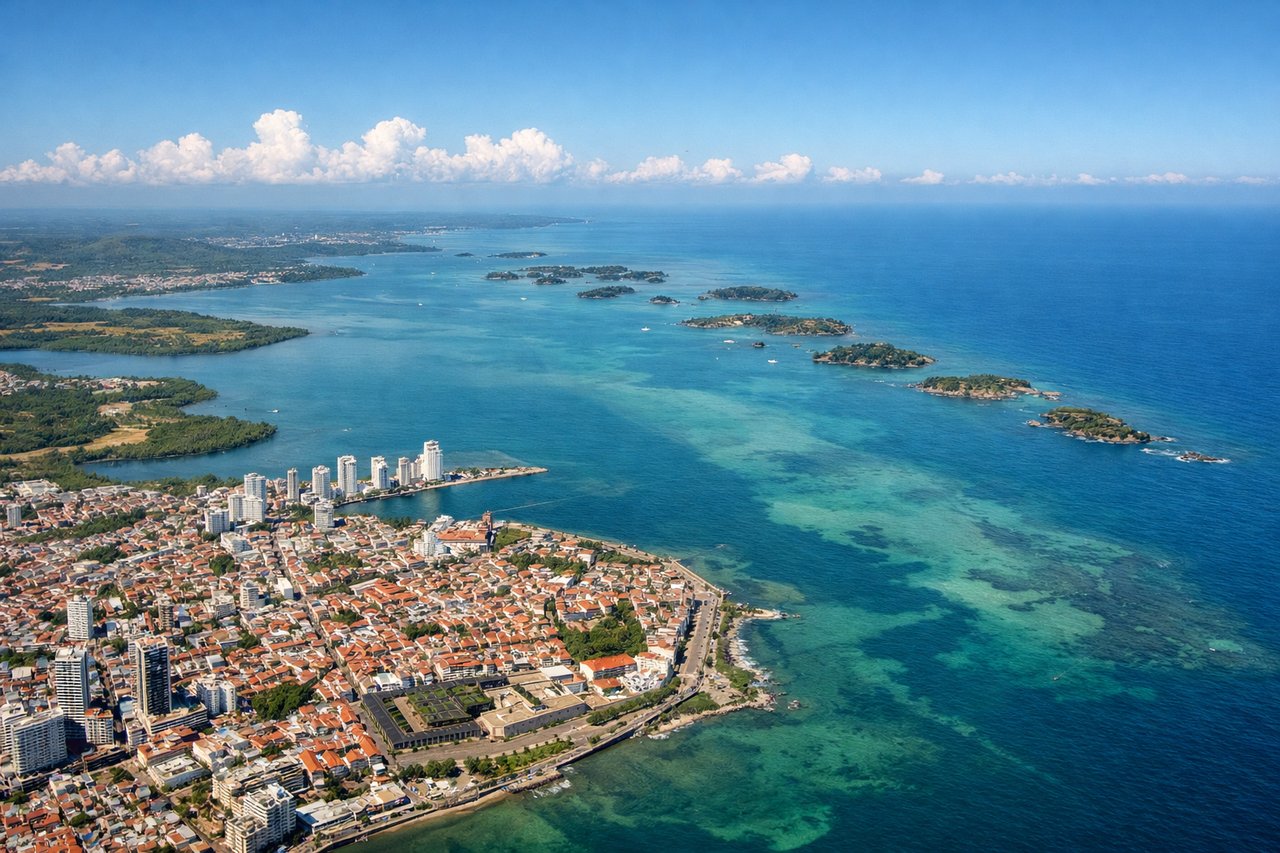
Takeoff from CTG
RIGHTRight-side seats offer views of the Caribbean coastline and the Magdalena River delta as the aircraft climbs northwestward from Cartagena. The contrast between turquoise shallow waters and the mangrove-lined river mouth is striking during the initial climb.
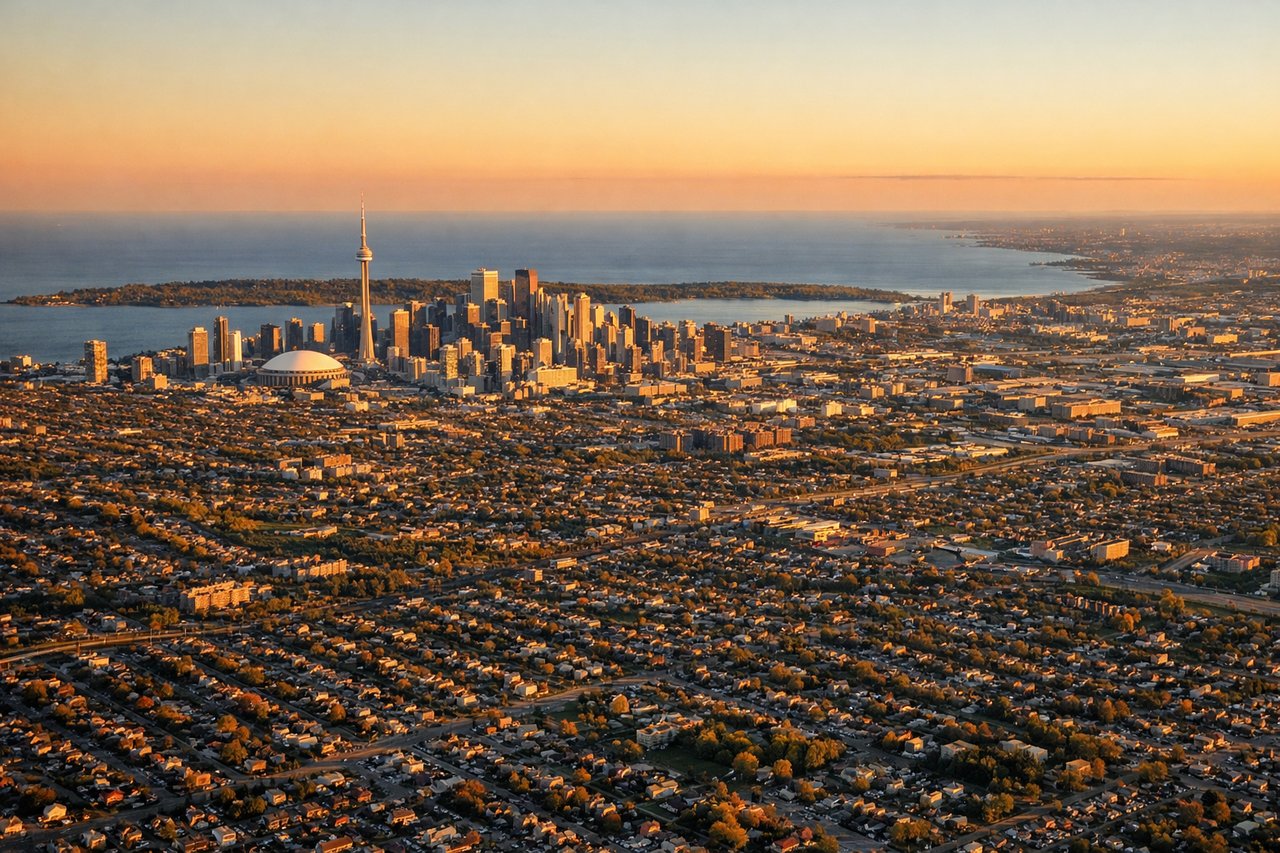
Landing at YYZ
LEFTLeft-side seats provide views of Lake Ontario and the Toronto waterfront during the final descent into Lester B Pearson. The lake's vast expanse and the city's downtown skyline along the shore create a compelling urban-and-water composition.
Landmarks on this routeAll landmarks →
Will your flight be in sunlight?
See exactly which side of the plane gets sun and shade at your departure time.
About This Route
Which side of the plane should I sit on flying from Rafael Nunez (CTG) to Lester B Pearson International (YYZ)?
Sit on the Right side of the plane for the best views on flights from Cartagena to Toronto. The takeoff views of the Caribbean delta and coastal waters are more visually distinctive and dramatic than the landing views of Lake Ontario. The Magdalena River delta's complex sediment patterns and mangrove landscape offer greater scenic variety than the relatively uniform expanse of the lake.
What can I see during takeoff from Rafael Nunez in Cartagena?
During takeoff from Rafael Nunez (CTG), sit on the Right side for the best views. Right-side seats offer views of the Caribbean coastline and the Magdalena River delta as the aircraft climbs northwestward from Cartagena. The contrast between turquoise shallow waters and the mangrove-lined river mouth is striking during the initial climb. Notable sights include: Caribbean Sea (turquoise coastal waters), Magdalena River delta (brown sediment plume), Cartagena Bay, Rosario Islands archipelago.
What can I see when landing at Lester B Pearson International in Toronto?
When landing at Lester B Pearson International (YYZ), sit on the Left side for the best views. Left-side seats provide views of Lake Ontario and the Toronto waterfront during the final descent into Lester B Pearson. The lake's vast expanse and the city's downtown skyline along the shore create a compelling urban-and-water composition. Notable sights include: Lake Ontario (massive freshwater body), Toronto downtown skyline and waterfront, Niagara Escarpment (distant southern horizon), Greater Toronto Area urban sprawl.
How long is the flight from Cartagena to Toronto?
The flight from Rafael Nunez (CTG) to Lester B Pearson International (YYZ) takes 4h 35m.
What does the Cartagena to Toronto flight path pass over?
The flight path crosses the Caribbean Sea northwestward, passing over the Yucatan Channel between Cuba and Mexico's Yucatan Peninsula. The Gulf of Mexico dominates the mid-flight segment, with the Yucatan Peninsula visible to the left (west) and Cuba to the right (east) during the crossing. As the aircraft continues north, the Florida Peninsula and the southeastern United States coastline become visible. The Appalachian Mountains appear as a distant ridge on the horizon during the approach to the Great Lakes region. Lake Michigan and Lake Ontario are visible during the final descent into Toronto.