The right side wins overall due to the superior Himalayan views during the cruise phase. As the flight tracks northeast over northern India and into China, the right side faces north and northwest, offering prolonged views of the Himalayan and Karakoram ranges in the distance during the early cruise phase. The takeoff views of Delhi are also solid on the right. The landing advantage on the left is real but shorter in duration.
Flown DEL to NRT? Did we get it right?
Flight Path
Delhi to Tokyo is 3,672 miles (5,910 km), a flight of about 7 hours 30 minutes.
The route tracks northeast from Delhi across the Indo-Gangetic Plain, then over the foothills of the Himalayas and into southern China over Yunnan and Sichuan provinces. The Tibetan Plateau and its southern escarpment may be visible to the north in clear conditions. The flight then crosses eastern China over Hunan and Jiangxi provinces, passes over the East China Sea, and approaches Japan from the southwest over the Pacific. The Yellow Sea and East China Sea are crossed in the latter portion of the flight.
Great circle distance and headings ›


Phase by phase
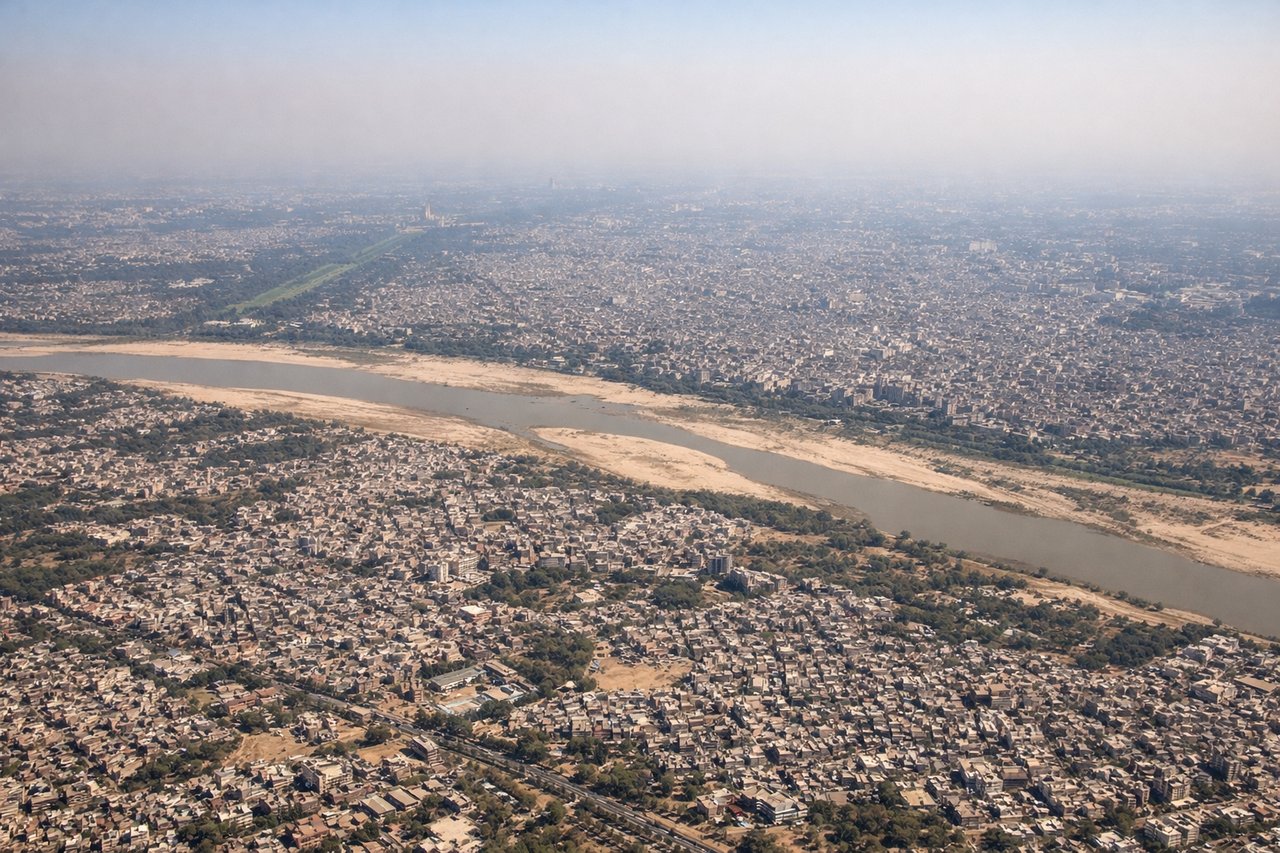
Takeoff from DEL
RIGHTDelhi's primary departure runway 28/29 sends aircraft westward before turning north, and a right-side seat gives views over central Delhi including Connaught Place and the dense urban grid of Old Delhi. As the aircraft banks northeast, the right side picks up the Yamuna River snaking through the city.
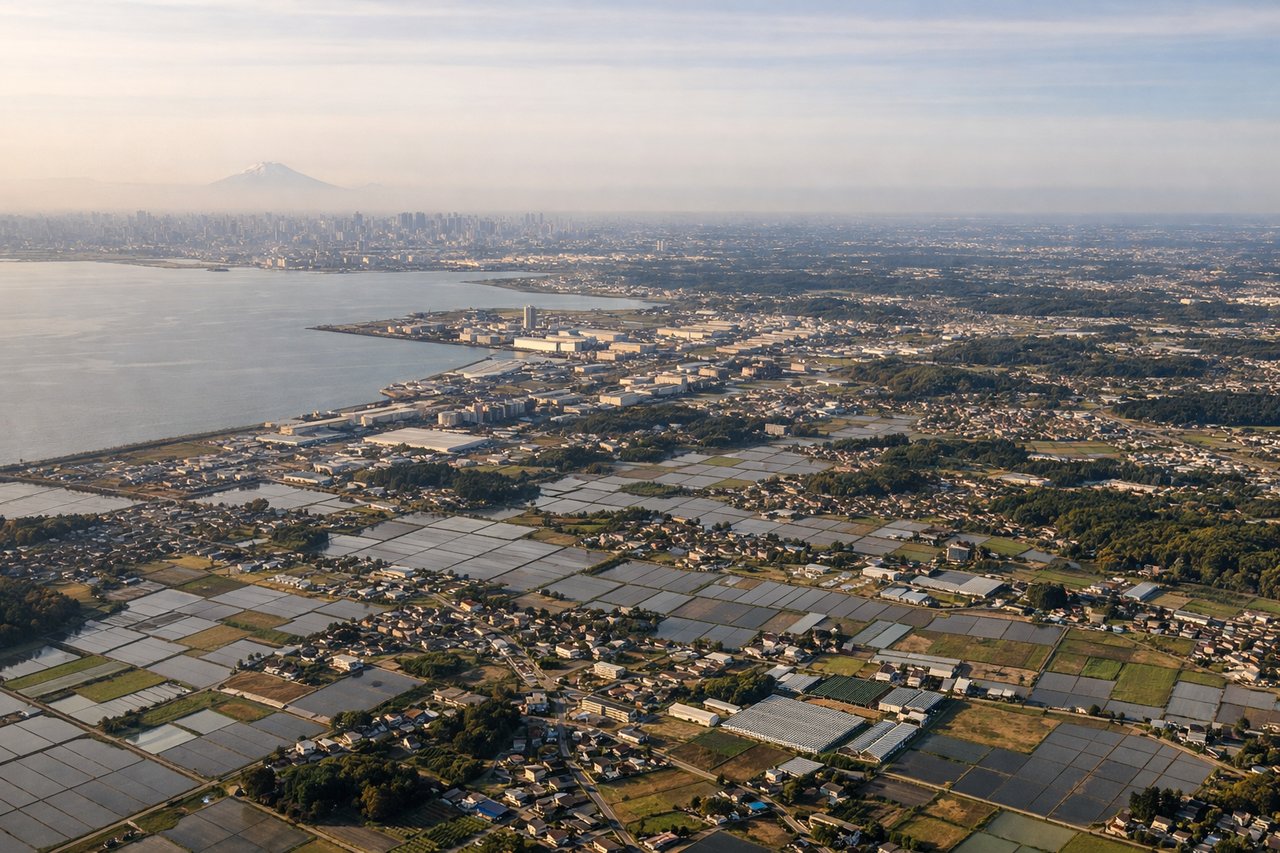
Landing at NRT
LEFTNarita typically uses runway 34L/34R for northerly arrivals, approaching from the south over the Pacific coast. A left-side seat on final approach gives a clear view of Tokyo Bay, the Tokyo metropolitan skyline including the distinctive Tokyo Skytree, and the Chiba Peninsula coastline.
Will your flight be in sunlight?
Pick a date and time in the Sun Map to watch the sun move across your whole flight.
About This Route
Which side of the plane should I sit on flying from Indira Gandhi International (DEL) to New Tokyo International (NRT)?
Sit on the Right side of the plane for the best views on flights from Delhi to Tokyo. The right side wins overall due to the superior Himalayan views during the cruise phase. As the flight tracks northeast over northern India and into China, the right side faces north and northwest, offering prolonged views of the Himalayan and Karakoram ranges in the distance during the early cruise phase. The takeoff views of Delhi are also solid on the right. The landing advantage on the left is real but shorter in duration.
What can I see during takeoff from Indira Gandhi International in Delhi?
During takeoff from Indira Gandhi International (DEL), sit on the Right side for the best views. Delhi's primary departure runway 28/29 sends aircraft westward before turning north, and a right-side seat gives views over central Delhi including Connaught Place and the dense urban grid of Old Delhi. As the aircraft banks northeast, the right side picks up the Yamuna River snaking through the city. Notable sights include: Yamuna River corridor through Delhi, Old Delhi's dense urban grid, Connaught Place radial street pattern, Noida satellite city to the southeast.
What can I see when landing at New Tokyo International in Tokyo?
When landing at New Tokyo International (NRT), sit on the Left side for the best views. Narita typically uses runway 34L/34R for northerly arrivals, approaching from the south over the Pacific coast. A left-side seat on final approach gives a clear view of Tokyo Bay, the Tokyo metropolitan skyline including the distinctive Tokyo Skytree, and the Chiba Peninsula coastline. Notable sights include: Tokyo Bay, Tokyo metropolitan skyline with Skytree visible, Chiba Peninsula coastline, Boso Peninsula agricultural lowlands.
How long is the flight from Delhi to Tokyo?
The flight from Indira Gandhi International (DEL) to New Tokyo International (NRT) takes about 7 hours 30 minutes. The shortest flight path between them is 3,672 miles (5,910 km); winds and air traffic control usually add a few percent.
What does the Delhi to Tokyo flight path pass over?
The route tracks northeast from Delhi across the Indo-Gangetic Plain, then over the foothills of the Himalayas and into southern China over Yunnan and Sichuan provinces. The Tibetan Plateau and its southern escarpment may be visible to the north in clear conditions. The flight then crosses eastern China over Hunan and Jiangxi provinces, passes over the East China Sea, and approaches Japan from the southwest over the Pacific. The Yellow Sea and East China Sea are crossed in the latter portion of the flight.