The left side delivers the flight's real geographic highlights: the Rockies at departure, the Canadian Rockies and Alaska Range along the northern great-circle track, and a rare distant view of Mount Fuji on arrival. The right side spends most of the flight over featureless plains, tundra, and open Pacific/Bering Sea water.
Flight Path
The great-circle route from Denver to Tokyo bows north through Alberta and the Yukon, crosses southern Alaska near the Alaska Range (Denali region), then continues over the Bering Sea toward Russia's Kamchatka Peninsula, home to active volcanoes like Klyuchevskaya Sopka, before turning south over the Sea of Okhotsk and Japan toward Narita.
Great circle distance and headings ›.jpg?width=600)

.jpg?width=600)


Phase by phase
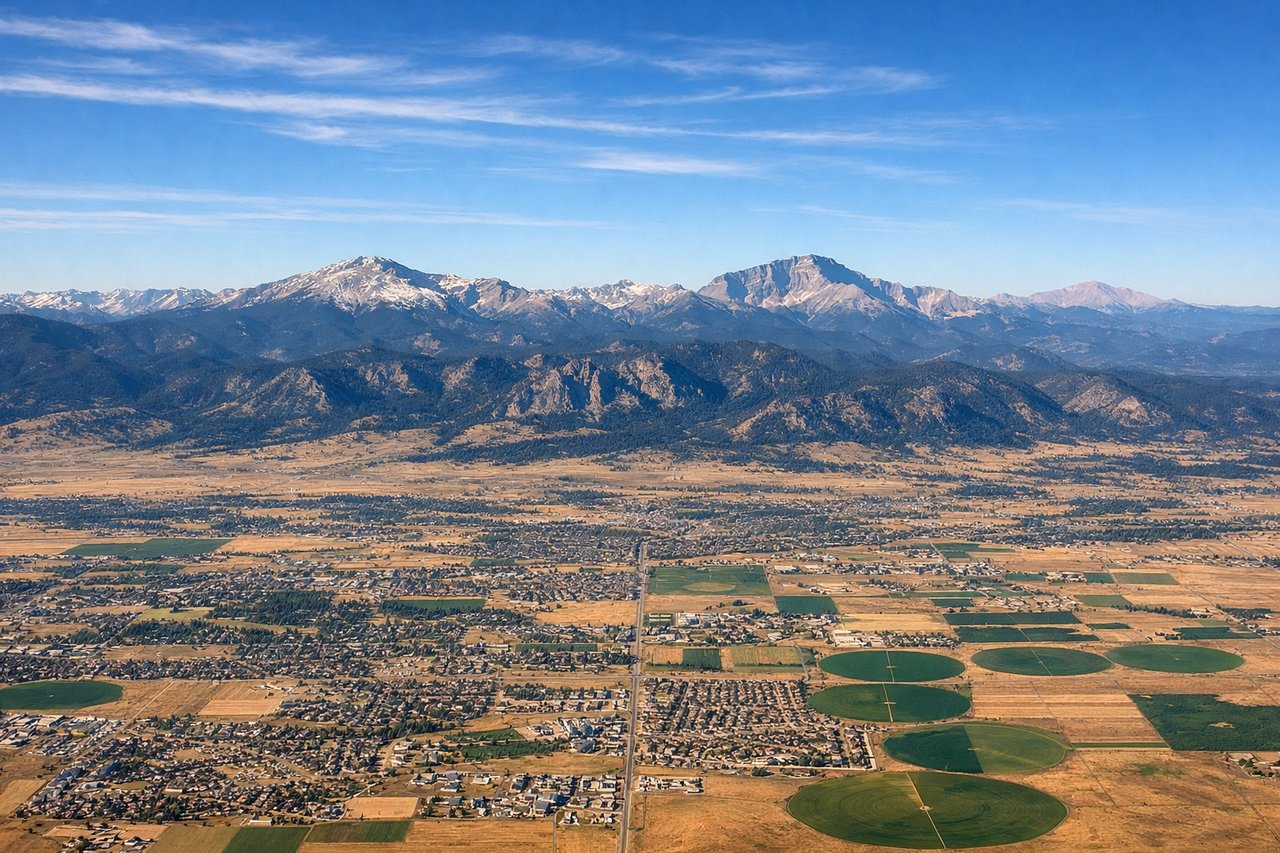
Takeoff from DEN
LEFTDeparting DEN, the aircraft climbs and turns northwest to join the great-circle track toward Alaska, putting Denver's western horizon — the Front Range of the Rockies — squarely on the left side. The right side only shows the flat High Plains stretching east, which is far less dynamic.
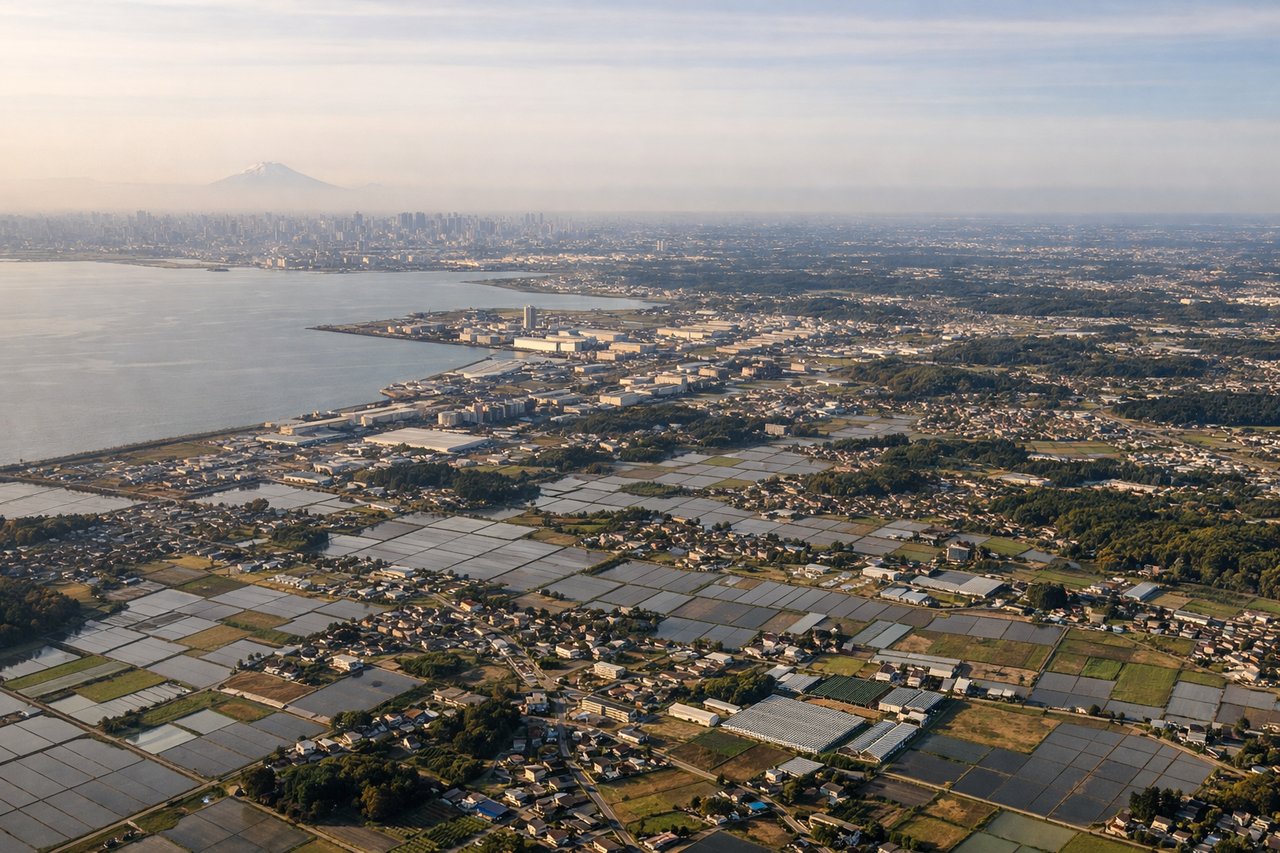
Landing at NRT
LEFTOn the descent into Narita, arrivals from the north Pacific track typically pass over Chiba's farmland and coastline before turning onto final approach. On clear days, passengers on the left side get a distant but genuine glimpse of Mount Fuji's cone southwest of the airport, a view the ocean-facing right side lacks.
Landmarks on this routeAll landmarks →
Will your flight be in sunlight?
See exactly which side of the plane gets sun and shade at your departure time.
About This Route
Which side of the plane should I sit on flying from Denver International (DEN) to New Tokyo International (NRT)?
Sit on the Left side of the plane for the best views on flights from Denver to Tokyo. The left side delivers the flight's real geographic highlights: the Rockies at departure, the Canadian Rockies and Alaska Range along the northern great-circle track, and a rare distant view of Mount Fuji on arrival. The right side spends most of the flight over featureless plains, tundra, and open Pacific/Bering Sea water.
What can I see during takeoff from Denver International in Denver?
During takeoff from Denver International (DEN), sit on the Left side for the best views. Departing DEN, the aircraft climbs and turns northwest to join the great-circle track toward Alaska, putting Denver's western horizon — the Front Range of the Rockies — squarely on the left side. The right side only shows the flat High Plains stretching east, which is far less dynamic. Notable sights include: Front Range foothills, Longs Peak, the Continental Divide, Denver's western suburbs receding below.
What can I see when landing at New Tokyo International in Tokyo?
When landing at New Tokyo International (NRT), sit on the Left side for the best views. On the descent into Narita, arrivals from the north Pacific track typically pass over Chiba's farmland and coastline before turning onto final approach. On clear days, passengers on the left side get a distant but genuine glimpse of Mount Fuji's cone southwest of the airport, a view the ocean-facing right side lacks. Notable sights include: Mount Fuji (distant silhouette), Chiba Prefecture farmland and rivers, Pacific coastline near the Boso Peninsula.
How long is the flight from Denver to Tokyo?
The flight from Denver International (DEN) to New Tokyo International (NRT) takes 12h 50m.
What does the Denver to Tokyo flight path pass over?
The great-circle route from Denver to Tokyo bows north through Alberta and the Yukon, crosses southern Alaska near the Alaska Range (Denali region), then continues over the Bering Sea toward Russia's Kamchatka Peninsula, home to active volcanoes like Klyuchevskaya Sopka, before turning south over the Sea of Okhotsk and Japan toward Narita.