Right side scores higher due to superior cruise-phase geography and landing approach. The transatlantic route crosses the Atlantic (ocean-limited both sides to 2.0 max), but the right side's approach to Istanbul showcases the Bosphorus, Sea of Marmara, and the city's dramatic continental geography. Takeoff from Detroit also favors right with Great Lakes views versus inland farmland on the left. Right side provides more visual variety and landmark density across the full flight.
Flown DTW to IST? Did we get it right?
Flight Path
Detroit to Istanbul is 5,284 miles (8,503 km), a flight of about 8 hours 15 minutes.
North Atlantic Ocean (5+ hours of open water dominates mid-flight for both sides), Greenland's southern coast and glaciers visible on northerly routing, Iceland's volcanic terrain and coastline if track passes nearby, Irish and British Isles coastlines during eastern Atlantic approach, English Channel and North Sea during European entry, continental European geography including Alpine foothills visible on descent into Turkey
Great circle distance and headings ›Phase by phase
Takeoff from DTW
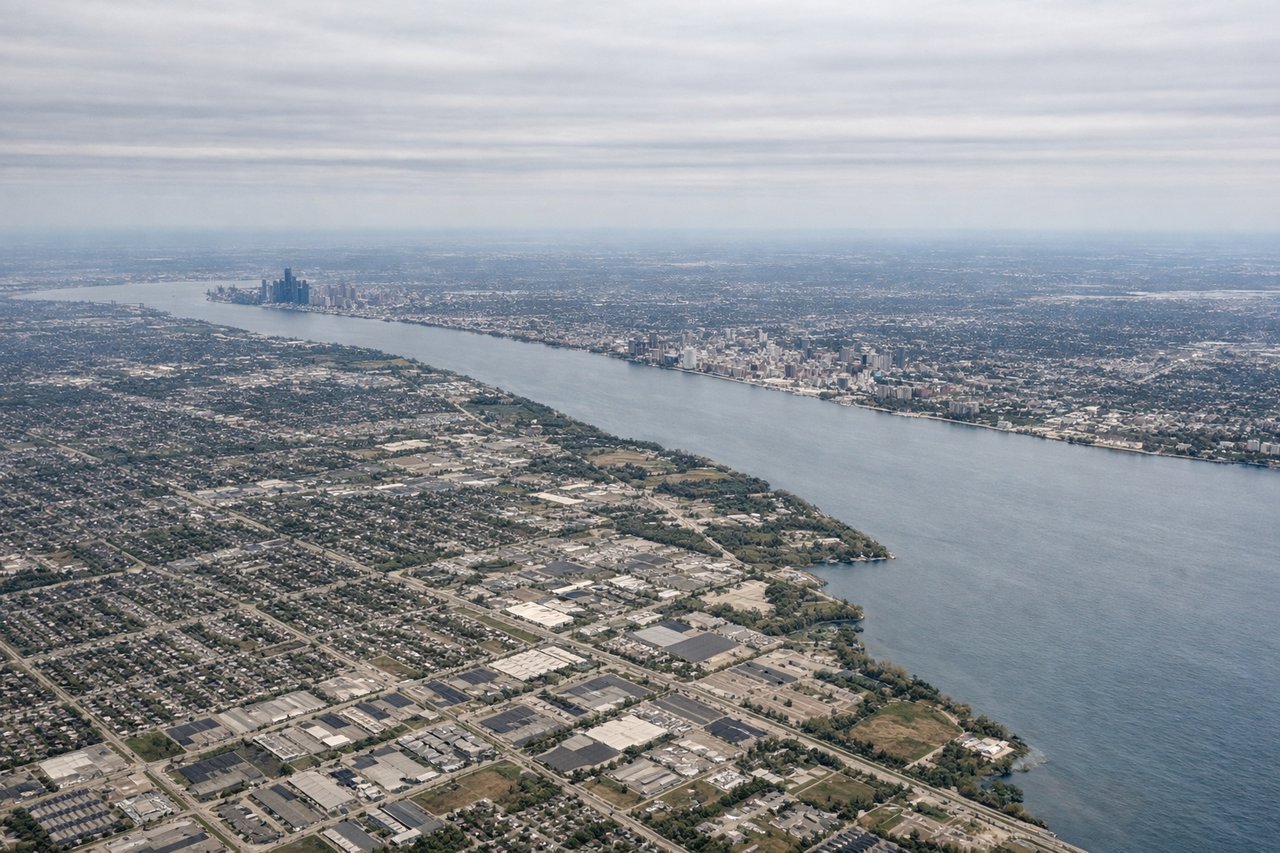
RIGHTRight side captures Detroit's urban waterfront and the Great Lakes system during initial climb. Left side faces inland toward flat Michigan farmland with minimal visual interest during departure.
Landing at IST
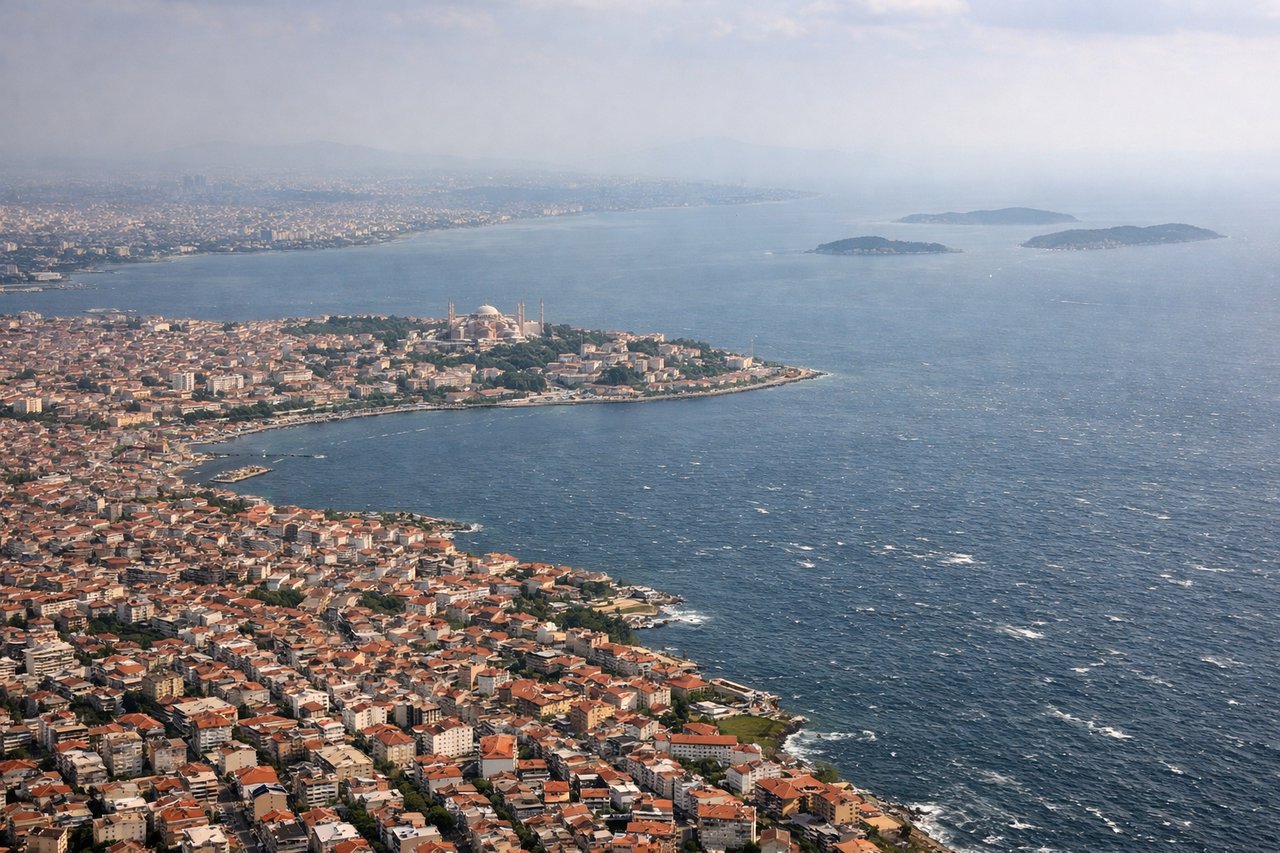
RIGHTRight side offers superior approach views of Istanbul's geography: the Bosphorus strait, Sea of Marmara, and the city's distinctive position spanning two continents. Left side faces the Black Sea and northern approaches with less dramatic urban and water features.
Will your flight be in sunlight?
Pick a date and time in the Sun Map to watch the sun move across your whole flight.
About This Route
Which side of the plane should I sit on flying from Detroit Metro Wayne Co (DTW) to İstanbul Airport (IST)?
Sit on the Right side of the plane for the best views on flights from Detroit to Istanbul. Right side scores higher due to superior cruise-phase geography and landing approach. The transatlantic route crosses the Atlantic (ocean-limited both sides to 2.0 max), but the right side's approach to Istanbul showcases the Bosphorus, Sea of Marmara, and the city's dramatic continental geography. Takeoff from Detroit also favors right with Great Lakes views versus inland farmland on the left. Right side provides more visual variety and landmark density across the full flight.
What can I see during takeoff from Detroit Metro Wayne Co in Detroit?
During takeoff from Detroit Metro Wayne Co (DTW), sit on the Right side for the best views. Right side captures Detroit's urban waterfront and the Great Lakes system during initial climb. Left side faces inland toward flat Michigan farmland with minimal visual interest during departure. Notable sights include: Detroit River and downtown skyline, Lake St. Clair to the northeast, Lake Huron visible in distance.
What can I see when landing at İstanbul Airport in Istanbul?
When landing at İstanbul Airport (IST), sit on the Right side for the best views. Right side offers superior approach views of Istanbul's geography: the Bosphorus strait, Sea of Marmara, and the city's distinctive position spanning two continents. Left side faces the Black Sea and northern approaches with less dramatic urban and water features. Notable sights include: Bosphorus strait with its characteristic S-curve, Sea of Marmara, European and Asian shores of Istanbul, airport location on European side.
How long is the flight from Detroit to Istanbul?
The flight from Detroit Metro Wayne Co (DTW) to İstanbul Airport (IST) takes about 8 hours 15 minutes. The shortest flight path between them is 5,284 miles (8,503 km); winds and air traffic control usually add a few percent.
What does the Detroit to Istanbul flight path pass over?
North Atlantic Ocean (5+ hours of open water dominates mid-flight for both sides), Greenland's southern coast and glaciers visible on northerly routing, Iceland's volcanic terrain and coastline if track passes nearby, Irish and British Isles coastlines during eastern Atlantic approach, English Channel and North Sea during European entry, continental European geography including Alpine foothills visible on descent into Turkey