The left side captures Ireland's Wicklow Mountains and coastline on departure and the Mediterranean coastline with Barcelona's skyline and Montserrat's distinctive peaks on arrival, giving it clear scenic advantage over the flatter, less varied inland views on the right.
Flight Path
The route crosses the Bristol Channel and southern England, the English Channel near the French coast, and central France before climbing over the eastern Pyrenees ahead of the descent into Catalonia.
Great circle distance and headings ›


Phase by phase
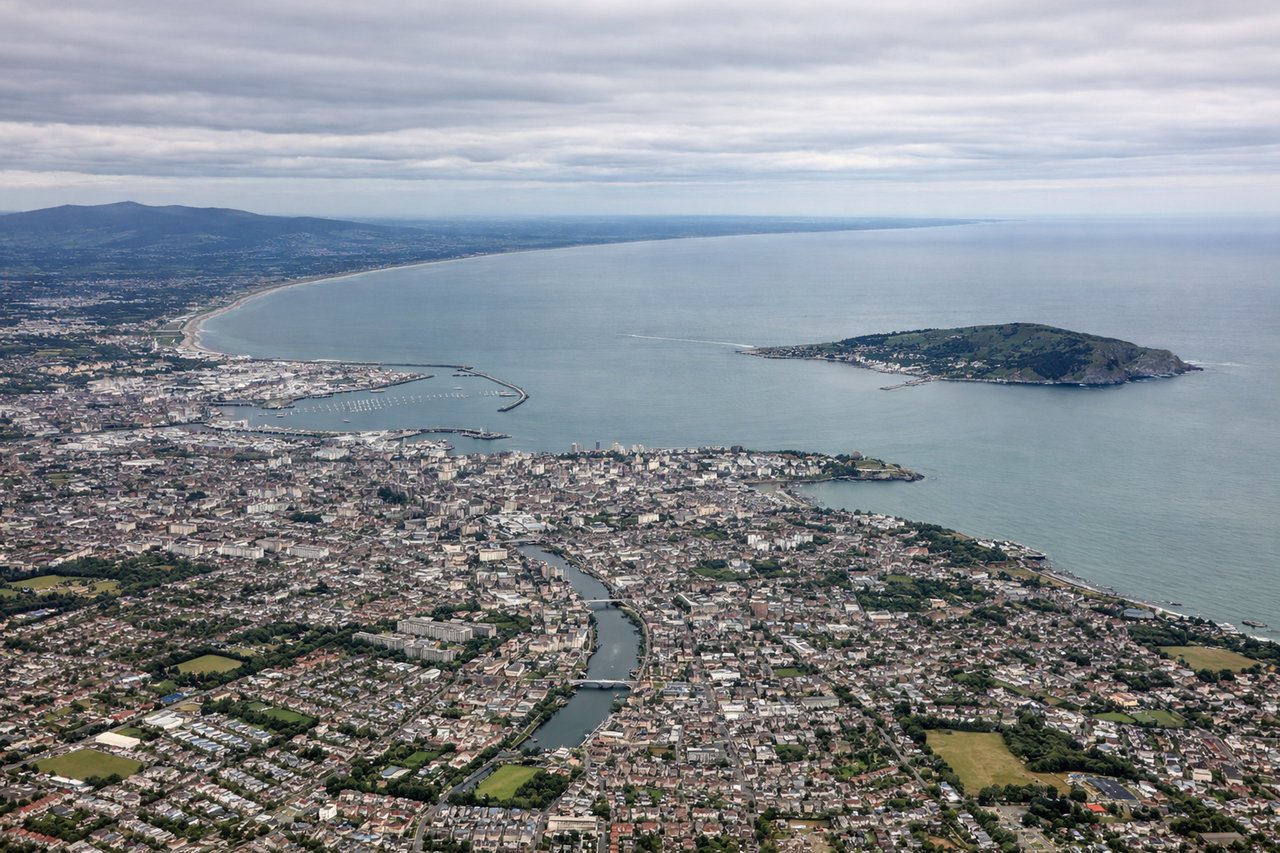
Takeoff from DUB
LEFTDeparting Dublin on runway 28, the aircraft turns south to pick up the Barcelona routing, putting Dublin Bay, the Dun Laoghaire harbor, and the Wicklow Mountains on the left side as the city falls away. The right side shows only the flat, unremarkable Irish midlands.
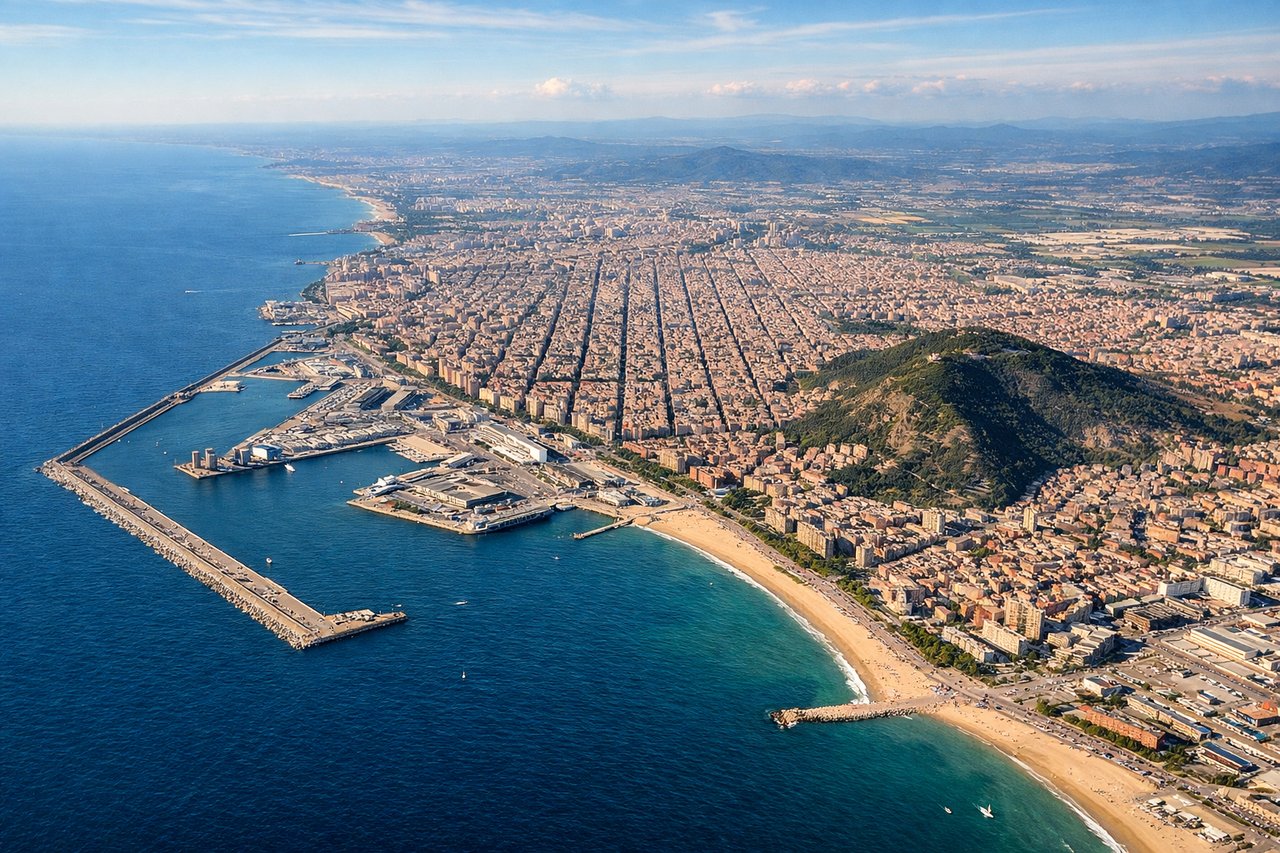
Landing at BCN
LEFTArriving from the north, flights into Barcelona typically track down the Catalan coast before turning onto final approach, keeping the Mediterranean shoreline, the city's skyline, and the port on the left. The right side during descent mostly shows inland farmland and the Collserola hills with less visual variety.
Landmarks on this routeAll landmarks →
Will your flight be in sunlight?
See exactly which side of the plane gets sun and shade at your departure time.
About This Route
Which side of the plane should I sit on flying from Dublin (DUB) to Barcelona (BCN)?
Sit on the Left side of the plane for the best views on flights from Dublin to Barcelona. The left side captures Ireland's Wicklow Mountains and coastline on departure and the Mediterranean coastline with Barcelona's skyline and Montserrat's distinctive peaks on arrival, giving it clear scenic advantage over the flatter, less varied inland views on the right.
What can I see during takeoff from Dublin in Dublin?
During takeoff from Dublin (DUB), sit on the Left side for the best views. Departing Dublin on runway 28, the aircraft turns south to pick up the Barcelona routing, putting Dublin Bay, the Dun Laoghaire harbor, and the Wicklow Mountains on the left side as the city falls away. The right side shows only the flat, unremarkable Irish midlands. Notable sights include: Dublin Bay, Dun Laoghaire harbor, Wicklow Mountains, Irish Sea coastline.
What can I see when landing at Barcelona in Barcelona?
When landing at Barcelona (BCN), sit on the Left side for the best views. Arriving from the north, flights into Barcelona typically track down the Catalan coast before turning onto final approach, keeping the Mediterranean shoreline, the city's skyline, and the port on the left. The right side during descent mostly shows inland farmland and the Collserola hills with less visual variety. Notable sights include: Barcelona skyline and port, Mediterranean coastline, Montserrat massif in the distance, Tibidabo hill.
How long is the flight from Dublin to Barcelona?
The flight from Dublin (DUB) to Barcelona (BCN) takes 2h 35m.
What does the Dublin to Barcelona flight path pass over?
The route crosses the Bristol Channel and southern England, the English Channel near the French coast, and central France before climbing over the eastern Pyrenees ahead of the descent into Catalonia.