The left side wins on both ends of the flight — Dublin's coastline and Wicklow Mountains at departure, and Orlando's lakes and skyline on arrival — while the cruise phase over the North Atlantic offers little differentiation between sides.
Flight Path
Open North Atlantic Ocean, with possible distant views of Newfoundland's coastline before the long oceanic crossing toward the southeastern US coast
Great circle distance and headings ›Phase by phase
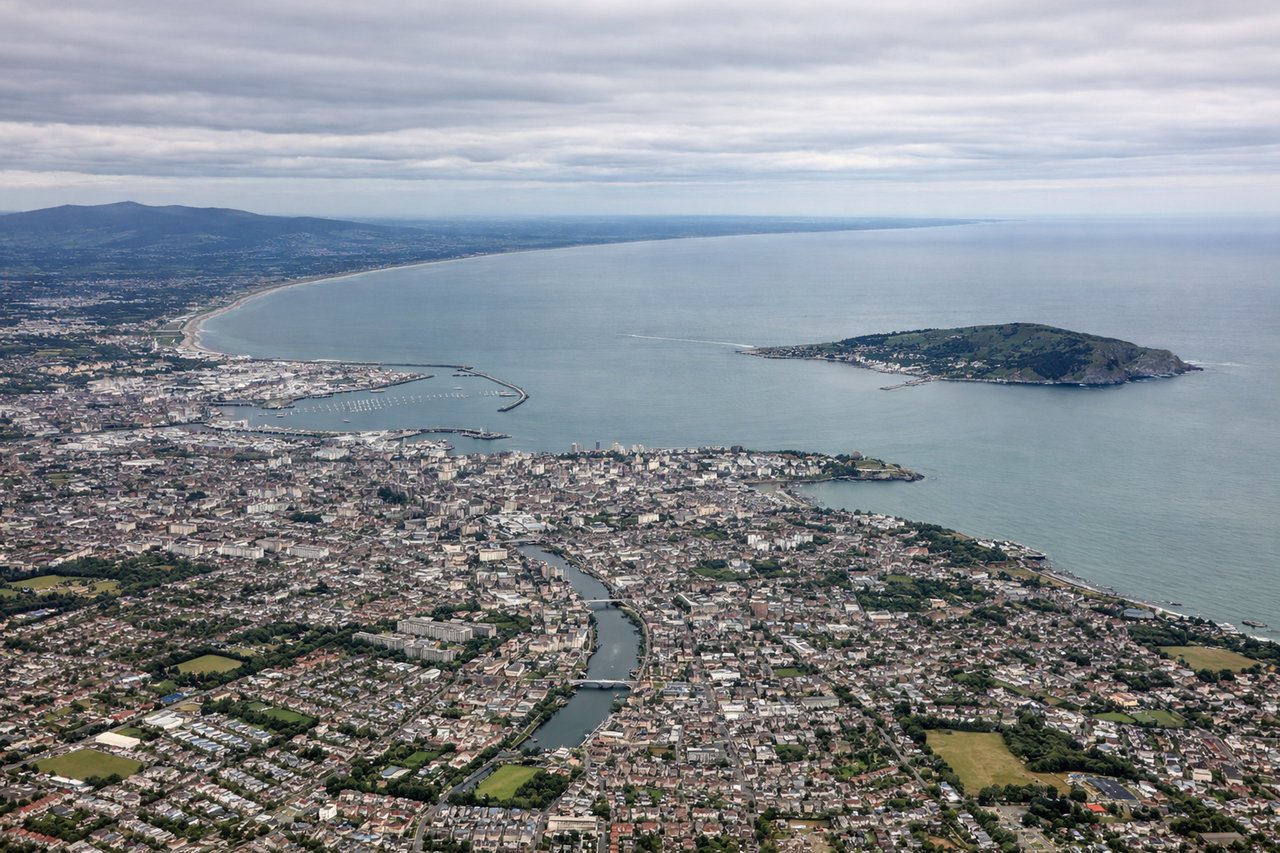
Takeoff from DUB
LEFTDeparting runway 28 and turning southwest toward the Atlantic, the left side offers a clear view of Dublin Bay, the city's coastline, and the Wicklow Mountains rising just south of the city. The right side mostly shows flat farmland and the Irish Sea with little definition.

Landing at MCO
LEFTOn a typical south-flow approach into MCO, the aircraft descends from the north, and the left side faces west toward Orlando's lake-studded terrain, including glimpses of Walt Disney World's distinctive lake system and the downtown Orlando skyline. The right side faces mostly featureless pine flatwoods and scattered suburbs.
Will your flight be in sunlight?
See exactly which side of the plane gets sun and shade at your departure time.
About This Route
Which side of the plane should I sit on flying from Dublin (DUB) to Orlando International (MCO)?
Sit on the Left side of the plane for the best views on flights from Dublin to Orlando. The left side wins on both ends of the flight — Dublin's coastline and Wicklow Mountains at departure, and Orlando's lakes and skyline on arrival — while the cruise phase over the North Atlantic offers little differentiation between sides.
What can I see during takeoff from Dublin in Dublin?
During takeoff from Dublin (DUB), sit on the Left side for the best views. Departing runway 28 and turning southwest toward the Atlantic, the left side offers a clear view of Dublin Bay, the city's coastline, and the Wicklow Mountains rising just south of the city. The right side mostly shows flat farmland and the Irish Sea with little definition. Notable sights include: Dublin Bay, Dublin city center, Wicklow Mountains, Irish Sea coastline.
What can I see when landing at Orlando International in Orlando?
When landing at Orlando International (MCO), sit on the Left side for the best views. On a typical south-flow approach into MCO, the aircraft descends from the north, and the left side faces west toward Orlando's lake-studded terrain, including glimpses of Walt Disney World's distinctive lake system and the downtown Orlando skyline. The right side faces mostly featureless pine flatwoods and scattered suburbs. Notable sights include: Orlando downtown skyline, Lake Buena Vista/Disney World lakes, numerous circular Florida lakes, suburban sprawl of Orange County.
How long is the flight from Dublin to Orlando?
The flight from Dublin (DUB) to Orlando International (MCO) takes 9h 25m.
What does the Dublin to Orlando flight path pass over?
Open North Atlantic Ocean, with possible distant views of Newfoundland's coastline before the long oceanic crossing toward the southeastern US coast