While the Dublin departure offers pleasant coastal views, the Maputo landing provides more dramatic and distinctive scenery—the transition from open Indian Ocean to the bay system and peninsula is visually striking and geographically unique. Right-side seats capture this better during descent.
Flight Path
The flight path crosses the Sahara Desert (southern Algeria and Mali), the Niger River valley, and the West African coast near Senegal and Guinea-Bissau. Over central Africa, you'll pass above the Sahel transition zone and central African savanna. The route then crosses the Congo Basin rainforest region before reaching the East African highlands and eventually descending toward the Mozambique coast. Notable landmarks include the Atlas Mountains (visible on departure), the Niger River delta, and the East African Rift escarpments in the final approach phase.
Great circle distance and headings ›


Phase by phase
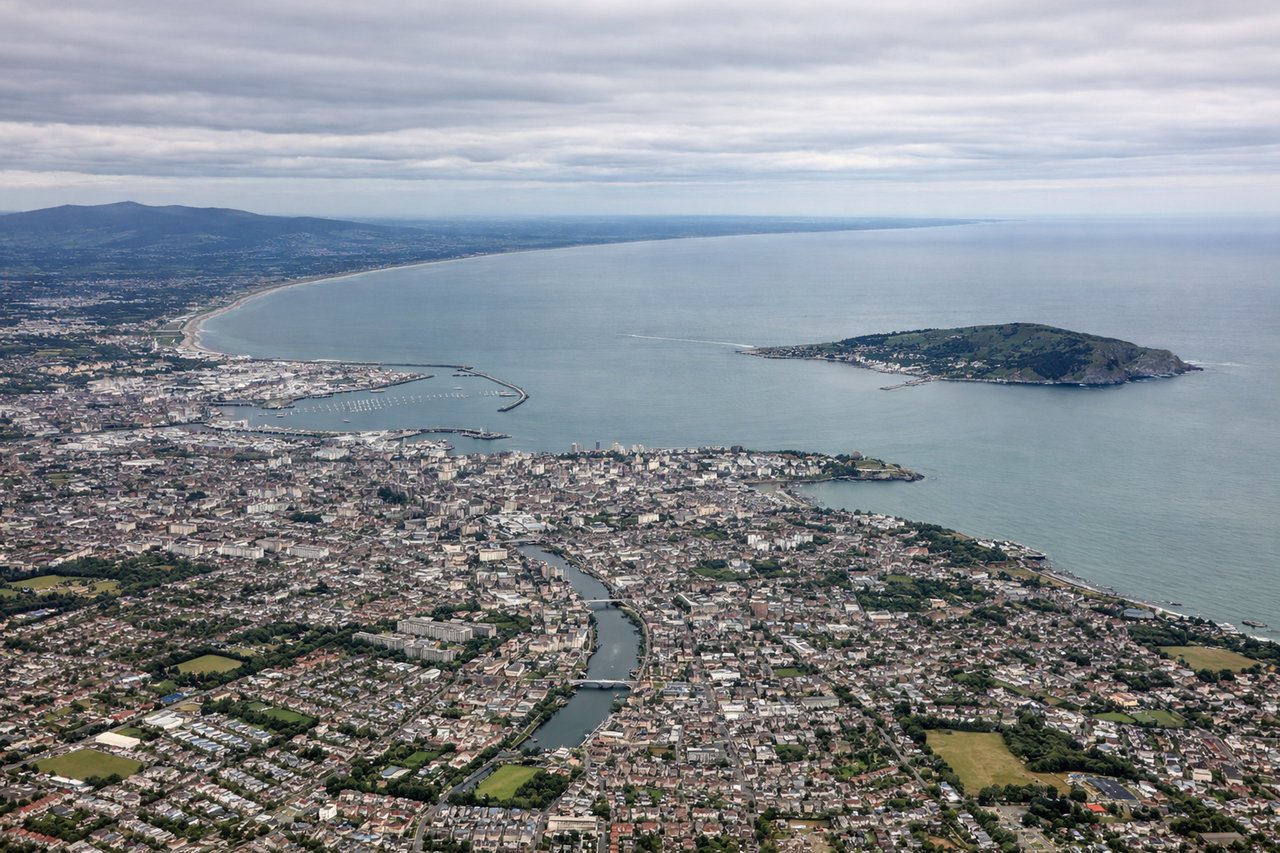
Takeoff from DUB
LEFTLeft side offers views of Dublin Bay and the Irish coastline as the aircraft climbs southwestward. You'll see the curve of the bay, coastal towns, and the Wicklow Mountains rising inland to the south.
Landing at MPM
RIGHTRight side provides views of Mozambique's coastal approach and the Indian Ocean. As you descend toward Maputo, the right window frames the coastline, Delagoa Bay, and the city's position on the peninsula.
Landmarks on this routeAll landmarks →
Will your flight be in sunlight?
See exactly which side of the plane gets sun and shade at your departure time.
About This Route
Which side of the plane should I sit on flying from Dublin (DUB) to Maputo (MPM)?
Sit on the Right side of the plane for the best views on flights from Dublin to Maputo. While the Dublin departure offers pleasant coastal views, the Maputo landing provides more dramatic and distinctive scenery—the transition from open Indian Ocean to the bay system and peninsula is visually striking and geographically unique. Right-side seats capture this better during descent.
What can I see during takeoff from Dublin in Dublin?
During takeoff from Dublin (DUB), sit on the Left side for the best views. Left side offers views of Dublin Bay and the Irish coastline as the aircraft climbs southwestward. You'll see the curve of the bay, coastal towns, and the Wicklow Mountains rising inland to the south. Notable sights include: Dublin Bay, Howth Peninsula, Wicklow Mountains, Irish Sea coastline.
What can I see when landing at Maputo in Maputo?
When landing at Maputo (MPM), sit on the Right side for the best views. Right side provides views of Mozambique's coastal approach and the Indian Ocean. As you descend toward Maputo, the right window frames the coastline, Delagoa Bay, and the city's position on the peninsula. Notable sights include: Delagoa Bay, Mozambique coastline, Indian Ocean, Maputo Peninsula.
How long is the flight from Dublin to Maputo?
The flight from Dublin (DUB) to Maputo (MPM) takes 11h 15m.
What does the Dublin to Maputo flight path pass over?
The flight path crosses the Sahara Desert (southern Algeria and Mali), the Niger River valley, and the West African coast near Senegal and Guinea-Bissau. Over central Africa, you'll pass above the Sahel transition zone and central African savanna. The route then crosses the Congo Basin rainforest region before reaching the East African highlands and eventually descending toward the Mozambique coast. Notable landmarks include the Atlas Mountains (visible on departure), the Niger River delta, and the East African Rift escarpments in the final approach phase.