While left seats win on takeoff, right seats provide superior views for the majority of the transatlantic flight and the critical landing sequence. The right side faces north across the Atlantic, offering views of Greenland's glaciers and the Canadian Arctic during cruise, plus the exceptional Lake Ontario and Toronto waterfront approach.
Flown DUB to YTZ? Did we get it right?
Flight Path
Dublin to Toronto is 3,262 miles (5,250 km), a flight of about 6 hours 45 minutes.
Greenland's ice sheet and glacial valleys (visible on right side during cruise at 35,000 feet), the Labrador coast and fjords, the Canadian Shield's rocky terrain and countless lakes across Quebec and Ontario, Hudson Bay to the north (visible on right), and the transition from boreal forest to the Great Lakes region as you approach Toronto.
Great circle distance and headings ›Phase by phase
Takeoff from DUB
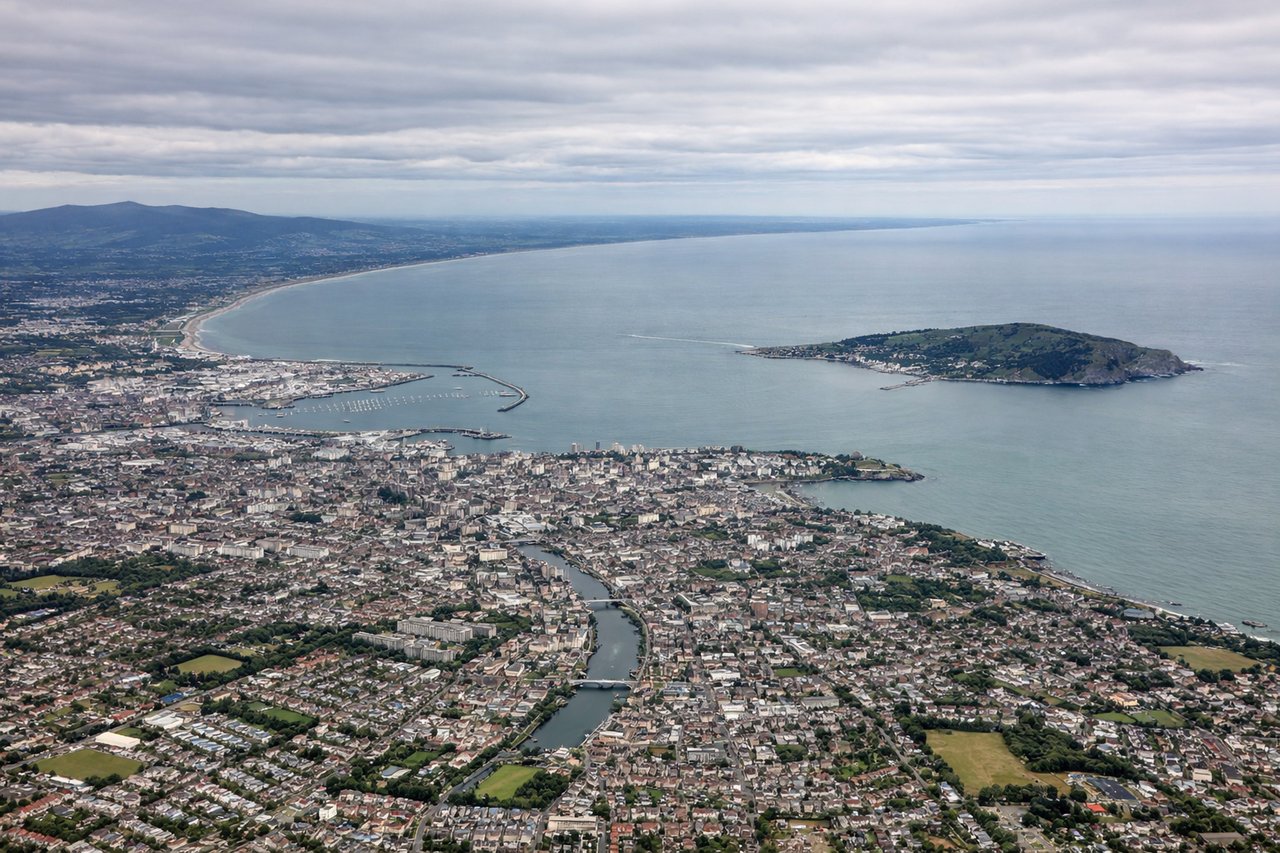
LEFTLeft seats offer views of Dublin Bay and the Irish coastline as you climb westward. You'll see the Wicklow Mountains rising inland to the south, creating a dramatic backdrop against the city.
Landing at YTZ
RIGHTRight seats provide excellent views of Lake Ontario and Toronto's waterfront as you descend toward City Centre Airport. You'll see the Toronto Islands, the downtown skyline, and the lake's expanse stretching to the horizon.
Will your flight be in sunlight?
Pick a date and time in the Sun Map to watch the sun move across your whole flight.
About This Route
Which side of the plane should I sit on flying from Dublin (DUB) to City Centre (YTZ)?
Sit on the Right side of the plane for the best views on flights from Dublin to Toronto. While left seats win on takeoff, right seats provide superior views for the majority of the transatlantic flight and the critical landing sequence. The right side faces north across the Atlantic, offering views of Greenland's glaciers and the Canadian Arctic during cruise, plus the exceptional Lake Ontario and Toronto waterfront approach.
What can I see during takeoff from Dublin in Dublin?
During takeoff from Dublin (DUB), sit on the Left side for the best views. Left seats offer views of Dublin Bay and the Irish coastline as you climb westward. You'll see the Wicklow Mountains rising inland to the south, creating a dramatic backdrop against the city. Notable sights include: Dublin Bay, Wicklow Mountains, Irish Sea coastline, River Liffey estuary.
What can I see when landing at City Centre in Toronto?
When landing at City Centre (YTZ), sit on the Right side for the best views. Right seats provide excellent views of Lake Ontario and Toronto's waterfront as you descend toward City Centre Airport. You'll see the Toronto Islands, the downtown skyline, and the lake's expanse stretching to the horizon. Notable sights include: Lake Ontario, Toronto Islands, Toronto downtown skyline, Scarborough Bluffs.
How long is the flight from Dublin to Toronto?
The flight from Dublin (DUB) to City Centre (YTZ) takes about 6 hours 45 minutes. The shortest flight path between them is 3,262 miles (5,250 km); winds and air traffic control usually add a few percent.
What does the Dublin to Toronto flight path pass over?
Greenland's ice sheet and glacial valleys (visible on right side during cruise at 35,000 feet), the Labrador coast and fjords, the Canadian Shield's rocky terrain and countless lakes across Quebec and Ontario, Hudson Bay to the north (visible on right), and the transition from boreal forest to the Great Lakes region as you approach Toronto.