The left side delivers the more dramatic departure sequence over Dubai's coastline and the Persian Gulf, and also captures the Nile Valley in Sudan and Egypt during the cruise phase as the route tracks northwest of the Red Sea. The right side has a strong JNB arrival, but the left side wins overall on cumulative scenic value.
Flown DXB to JNB? Did we get it right?
Flight Path
Dubai to Johannesburg is 3,985 miles (6,413 km), a flight of about 8 hours 45 minutes.
The route tracks southwest over the Arabian Peninsula, crossing the Red Sea near Eritrea and Ethiopia, then over the Ethiopian Highlands which are visible as a dramatic elevated plateau. The flight crosses the East African Rift Valley region over Kenya and Tanzania, with Lake Victoria potentially visible to the right in the distance. Over Zambia and Zimbabwe the terrain transitions to the flat Highveld plateau approaching South Africa.
Great circle distance and headings ›


Phase by phase
Takeoff from DXB
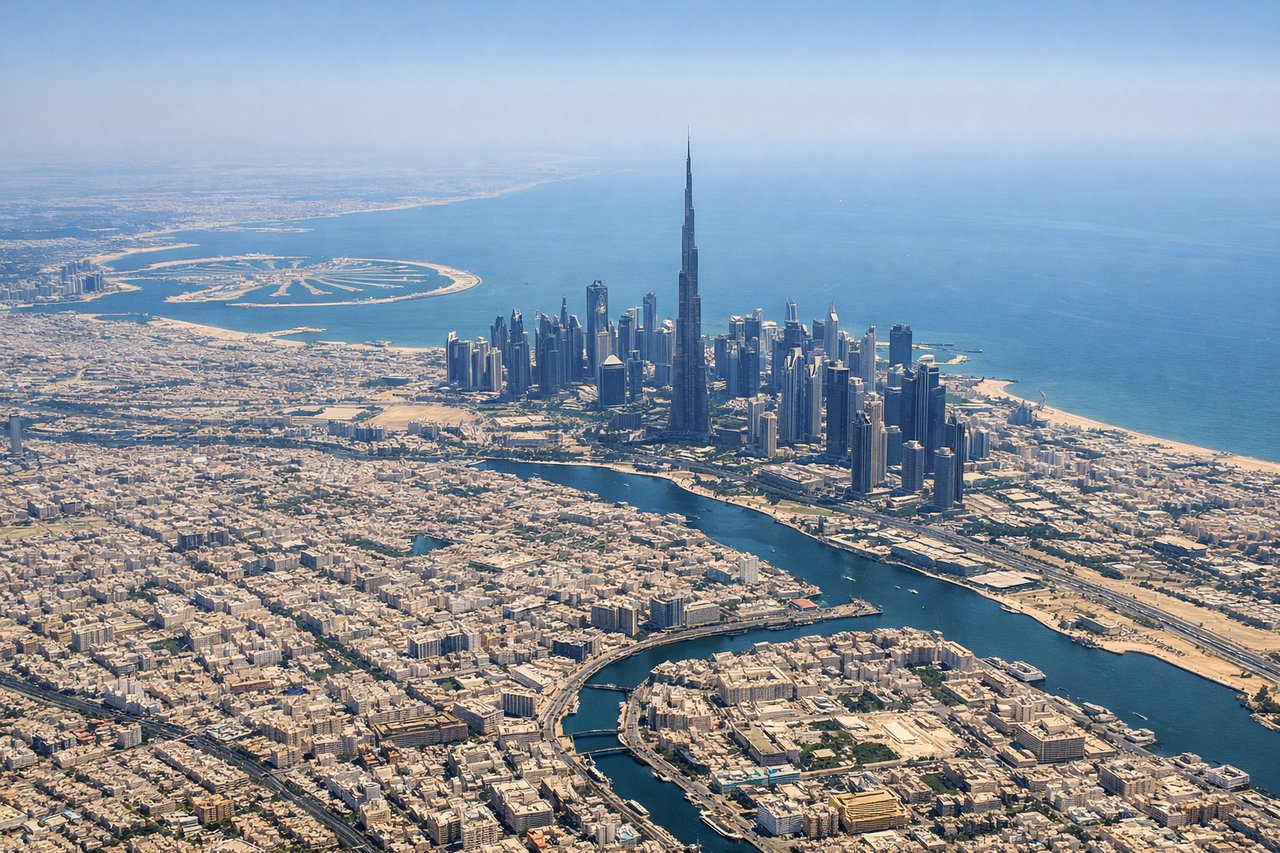
LEFTDubai International's primary departure runway 30L/30R sends aircraft northwest over the city before turning south. The left side captures the Dubai Creek, Deira district, and the older urban core as the aircraft climbs out over the Gulf coastline.
Landing at JNB
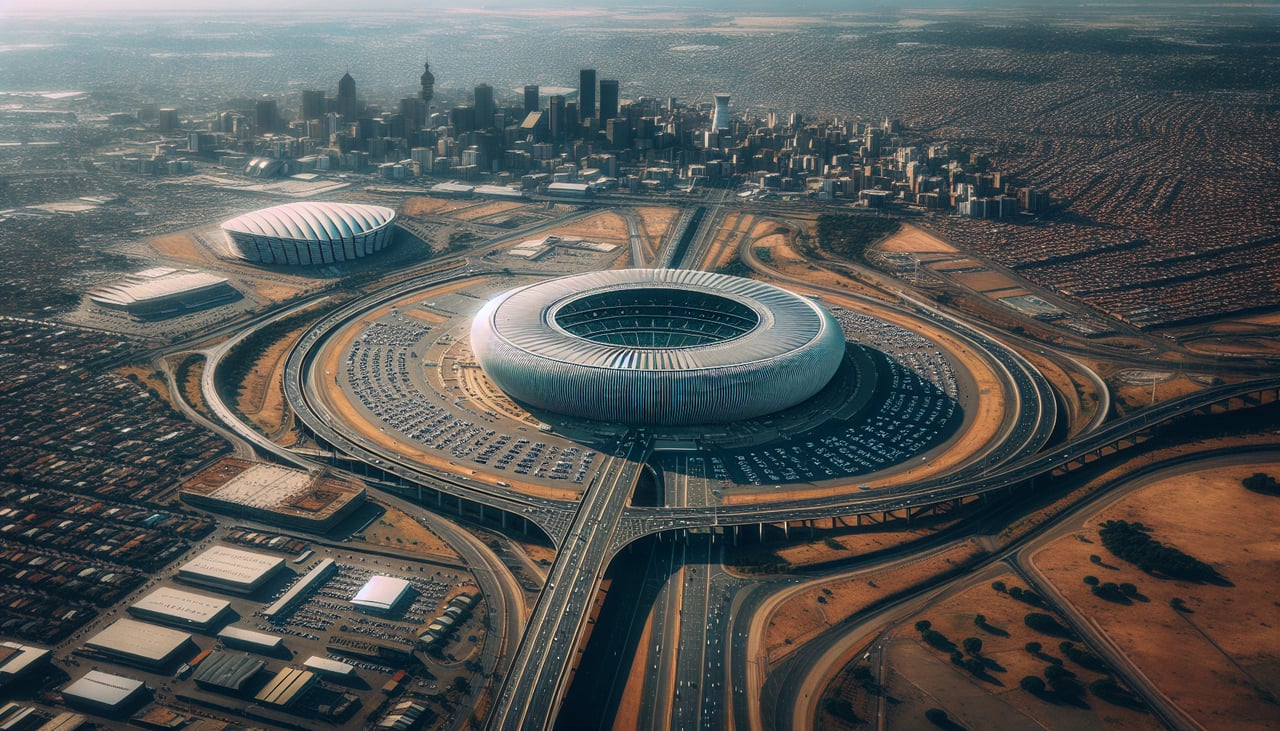
RIGHTOR Tambo International typically uses runway 03R/21L aligned roughly north-south. Arrivals from the north on runway 21 approach from the northeast, and the right side gives views over the Johannesburg CBD skyline, the Highveld plateau, and the distinctive flat-topped ridges of the Witwatersrand.
Will your flight be in sunlight?
Pick a date and time in the Sun Map to watch the sun move across your whole flight.
About This Route
Which side of the plane should I sit on flying from Dubai International (DXB) to O.R. Tambo International Airport (JNB)?
Sit on the Left side of the plane for the best views on flights from Dubai to Johannesburg. The left side delivers the more dramatic departure sequence over Dubai's coastline and the Persian Gulf, and also captures the Nile Valley in Sudan and Egypt during the cruise phase as the route tracks northwest of the Red Sea. The right side has a strong JNB arrival, but the left side wins overall on cumulative scenic value.
What can I see during takeoff from Dubai International in Dubai?
During takeoff from Dubai International (DXB), sit on the Left side for the best views. Dubai International's primary departure runway 30L/30R sends aircraft northwest over the city before turning south. The left side captures the Dubai Creek, Deira district, and the older urban core as the aircraft climbs out over the Gulf coastline. Notable sights include: Dubai Creek and Deira waterfront, downtown Dubai skyline including Burj Khalifa visible to the south, Palm Jumeirah artificial island, Dubai Marina coastline.
What can I see when landing at O.R. Tambo International Airport in Johannesburg?
When landing at O.R. Tambo International Airport (JNB), sit on the Right side for the best views. OR Tambo International typically uses runway 03R/21L aligned roughly north-south. Arrivals from the north on runway 21 approach from the northeast, and the right side gives views over the Johannesburg CBD skyline, the Highveld plateau, and the distinctive flat-topped ridges of the Witwatersrand. Notable sights include: Johannesburg CBD skyline with Ponte City and Hillbrow tower visible, Witwatersrand ridge line running east-west, Soweto township to the southwest, Vaal Dam reservoir visible in the far distance to the south.
How long is the flight from Dubai to Johannesburg?
The flight from Dubai International (DXB) to O.R. Tambo International Airport (JNB) takes about 8 hours 45 minutes. The shortest flight path between them is 3,985 miles (6,413 km); winds and air traffic control usually add a few percent.
What does the Dubai to Johannesburg flight path pass over?
The route tracks southwest over the Arabian Peninsula, crossing the Red Sea near Eritrea and Ethiopia, then over the Ethiopian Highlands which are visible as a dramatic elevated plateau. The flight crosses the East African Rift Valley region over Kenya and Tanzania, with Lake Victoria potentially visible to the right in the distance. Over Zambia and Zimbabwe the terrain transitions to the flat Highveld plateau approaching South Africa.