Right-side seats capture the most dramatic scenery: the Persian Gulf and Dubai coastline during departure, followed by views of the Indus River valley and Punjab plains during the cruise and descent phases. The left side offers good landing views but less compelling cruise-phase scenery.
Flown DXB to LHE? Did we get it right?
Flight Path
Dubai to Lahore is 1,233 miles (1,985 km), a flight of about 3 hours 5 minutes.
The flight path crosses the Arabian Sea briefly, then enters Pakistani airspace over Sindh province. Notable features include the Indus River delta and lower Indus valley (visible from altitude as a broad, meandering watercourse with extensive irrigation networks), the Thar Desert to the east (visible as tan, sparsely vegetated terrain), and the transition into the Punjab plains as the aircraft approaches Lahore from the south. The Indus River is the dominant geographical feature during the cruise phase, running roughly north-south through the flight corridor.
Great circle distance and headings ›

Phase by phase
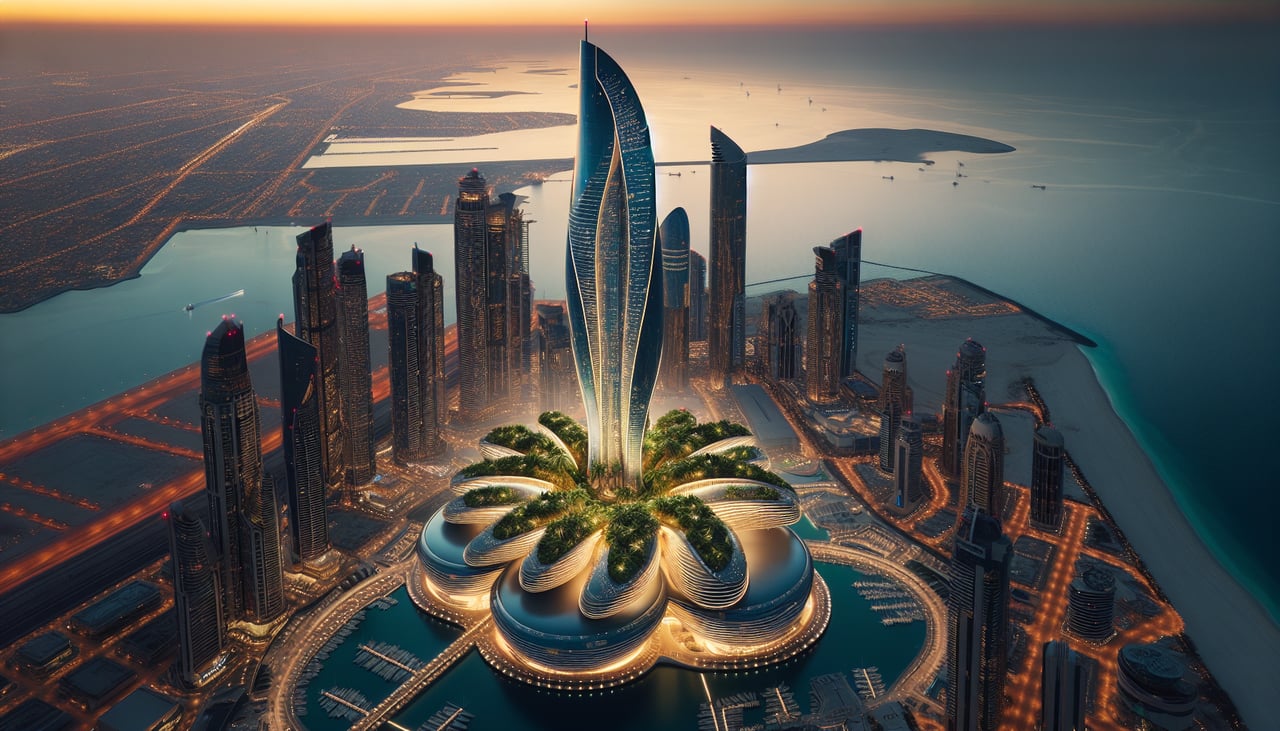
Takeoff from DXB
RIGHTRight-side seats offer views of the Persian Gulf coastline and Dubai's coastal development as the aircraft climbs northwestward. The contrast between urban sprawl and open water is striking during the initial climb.
Landing at LHE
LEFTLeft-side seats provide views of the Lahore city approach and the Ravi River valley during descent. The river's meandering path and the city's urban sprawl are distinctive landmarks visible on final approach from the south.
Will your flight be in sunlight?
Pick a date and time in the Sun Map to watch the sun move across your whole flight.
About This Route
Which side of the plane should I sit on flying from Dubai International (DXB) to Allama Iqbal International (LHE)?
Sit on the Right side of the plane for the best views on flights from Dubai to Lahore. Right-side seats capture the most dramatic scenery: the Persian Gulf and Dubai coastline during departure, followed by views of the Indus River valley and Punjab plains during the cruise and descent phases. The left side offers good landing views but less compelling cruise-phase scenery.
What can I see during takeoff from Dubai International in Dubai?
During takeoff from Dubai International (DXB), sit on the Right side for the best views. Right-side seats offer views of the Persian Gulf coastline and Dubai's coastal development as the aircraft climbs northwestward. The contrast between urban sprawl and open water is striking during the initial climb. Notable sights include: Persian Gulf (immediate coastline), Dubai city grid and marina developments, Jebel Ali port complex, Arabian Desert inland.
What can I see when landing at Allama Iqbal International in Lahore?
When landing at Allama Iqbal International (LHE), sit on the Left side for the best views. Left-side seats provide views of the Lahore city approach and the Ravi River valley during descent. The river's meandering path and the city's urban sprawl are distinctive landmarks visible on final approach from the south. Notable sights include: Ravi River (meandering through the approach corridor), Lahore city center and urban grid, Punjab plains (agricultural patchwork), Allama Iqbal International Airport runway orientation.
How long is the flight from Dubai to Lahore?
The flight from Dubai International (DXB) to Allama Iqbal International (LHE) takes about 3 hours 5 minutes. The shortest flight path between them is 1,233 miles (1,985 km); winds and air traffic control usually add a few percent.
What does the Dubai to Lahore flight path pass over?
The flight path crosses the Arabian Sea briefly, then enters Pakistani airspace over Sindh province. Notable features include the Indus River delta and lower Indus valley (visible from altitude as a broad, meandering watercourse with extensive irrigation networks), the Thar Desert to the east (visible as tan, sparsely vegetated terrain), and the transition into the Punjab plains as the aircraft approaches Lahore from the south. The Indus River is the dominant geographical feature during the cruise phase, running roughly north-south through the flight corridor.