The left side delivers the dramatic Dubai departure spectacle including Burj Khalifa, Palm Jumeirah, and the Gulf coastline, which is the visual highlight of this route. Over the Indian Ocean cruise phase both sides are largely featureless, but the left side also picks up the Sri Lanka coastline and the Andaman Sea approach into the Malay Peninsula.
Flown DXB to XSP? Did we get it right?
Flight Path
Dubai to Singapore is 3,623 miles (5,830 km), a flight of about 7 hours.
The route crosses the Arabian Sea, passing over or near the western coast of India around Mumbai or Goa depending on routing, then crosses Sri Lanka where the island's interior highlands and coastline are visible, followed by the Andaman Sea and the northern tip of Sumatra before tracking down the Strait of Malacca toward Singapore. The Strait of Malacca itself offers views of the Malaysian and Sumatran coastlines in the final hour of flight.
Great circle distance and headings ›


Phase by phase
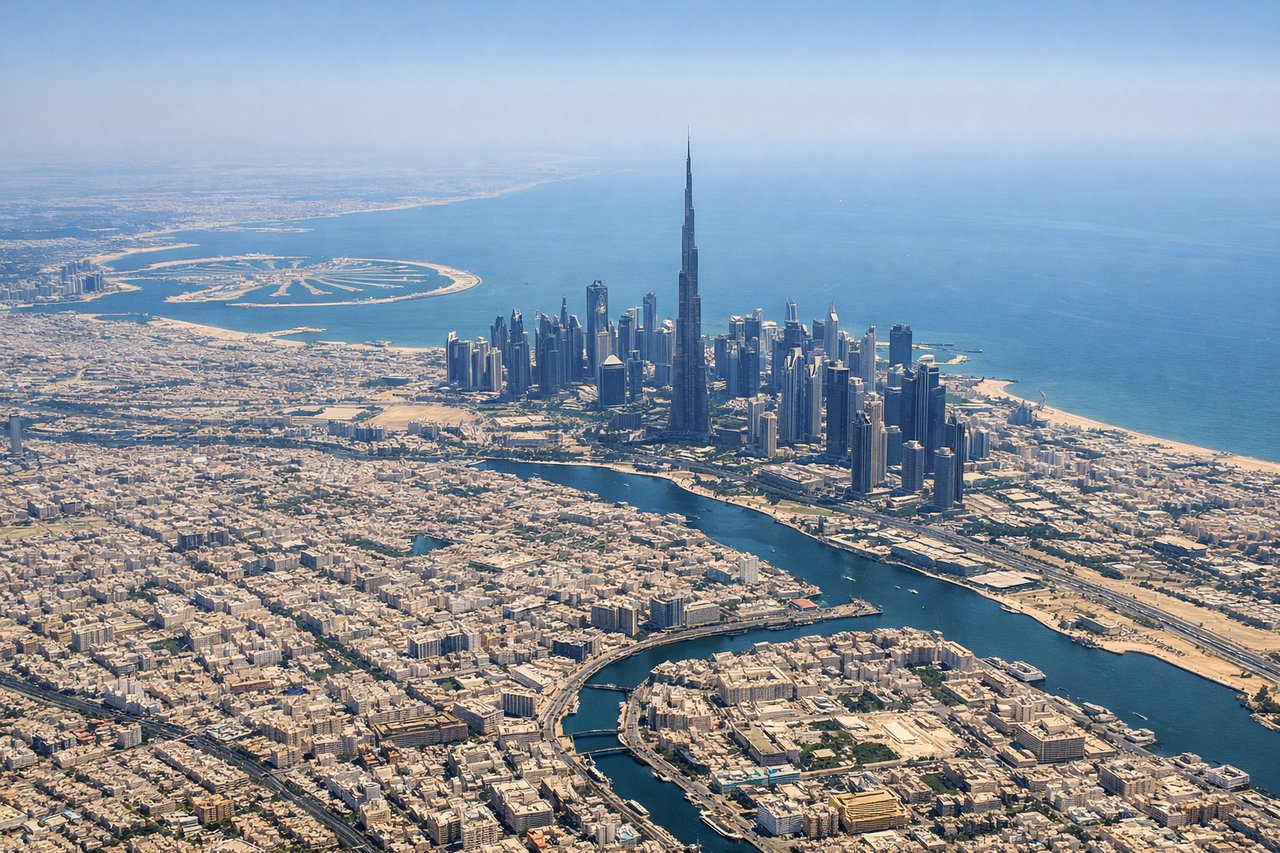
Takeoff from DXB
LEFTDubai International's primary departure runway 30L/30R sends aircraft northwest before turning south, putting the left side over the Dubai Creek, Deira district, and the older city core. You get a clear look at the Palm Jumeirah and the downtown skyline including Burj Khalifa as the aircraft banks south toward the Gulf.
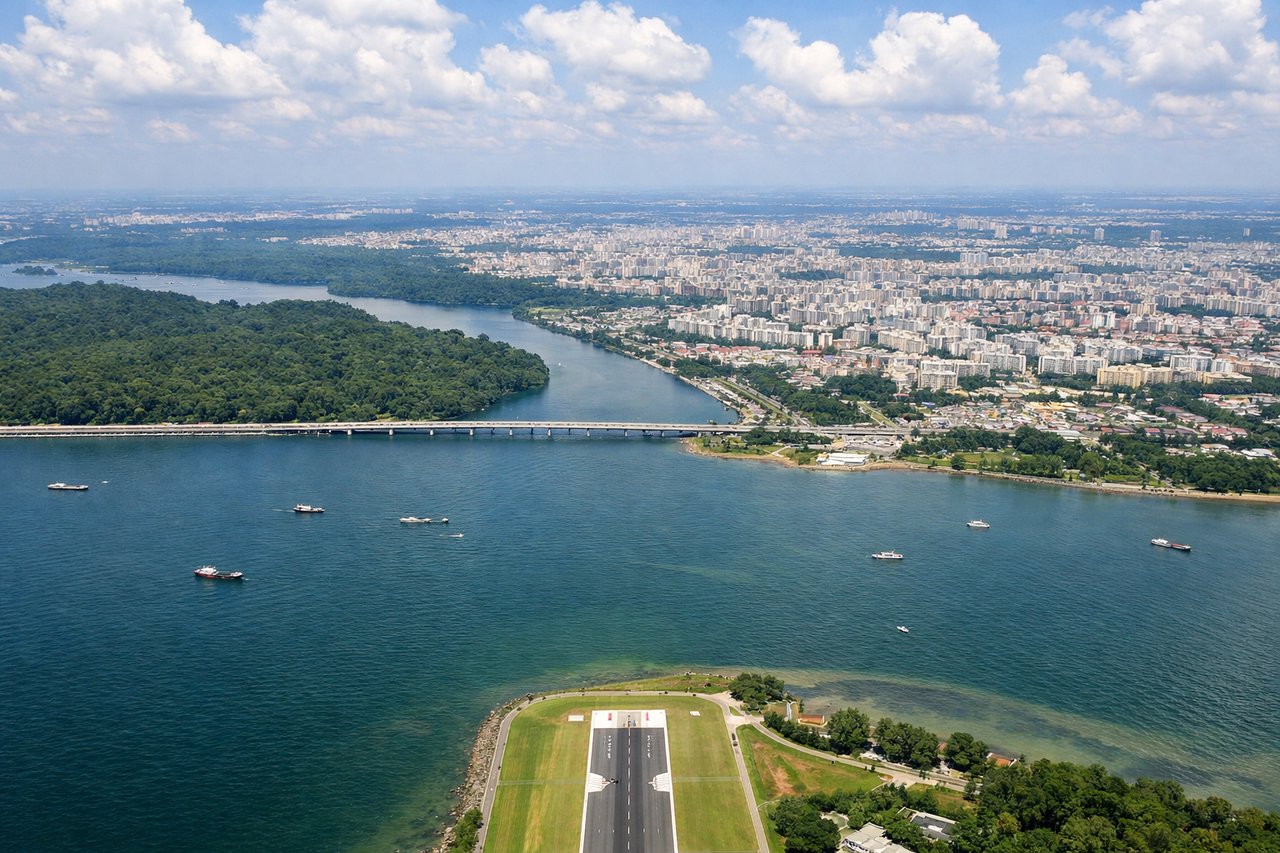
Landing at XSP
RIGHTSeletar Airport's runway 03 approach brings aircraft in from the south over the Strait of Johor, giving the right side a view over the Johor Strait waterway and the causeway linking Singapore to Malaysia. The right side also looks across toward the forested central catchment area and Bukit Timah Hill as you descend.
Will your flight be in sunlight?
Pick a date and time in the Sun Map to watch the sun move across your whole flight.
About This Route
Which side of the plane should I sit on flying from Dubai International (DXB) to Seletar (XSP)?
Sit on the Left side of the plane for the best views on flights from Dubai to Singapore. The left side delivers the dramatic Dubai departure spectacle including Burj Khalifa, Palm Jumeirah, and the Gulf coastline, which is the visual highlight of this route. Over the Indian Ocean cruise phase both sides are largely featureless, but the left side also picks up the Sri Lanka coastline and the Andaman Sea approach into the Malay Peninsula.
What can I see during takeoff from Dubai International in Dubai?
During takeoff from Dubai International (DXB), sit on the Left side for the best views. Dubai International's primary departure runway 30L/30R sends aircraft northwest before turning south, putting the left side over the Dubai Creek, Deira district, and the older city core. You get a clear look at the Palm Jumeirah and the downtown skyline including Burj Khalifa as the aircraft banks south toward the Gulf. Notable sights include: Burj Khalifa and Downtown Dubai, Palm Jumeirah, Dubai Creek and Deira, The World islands offshore.
What can I see when landing at Seletar in Singapore?
When landing at Seletar (XSP), sit on the Right side for the best views. Seletar Airport's runway 03 approach brings aircraft in from the south over the Strait of Johor, giving the right side a view over the Johor Strait waterway and the causeway linking Singapore to Malaysia. The right side also looks across toward the forested central catchment area and Bukit Timah Hill as you descend. Notable sights include: Johor Strait and the Causeway, Bukit Timah Hill, Seletar Reservoir, Pulau Ubin island.
How long is the flight from Dubai to Singapore?
The flight from Dubai International (DXB) to Seletar (XSP) takes about 7 hours. The shortest flight path between them is 3,623 miles (5,830 km); winds and air traffic control usually add a few percent.
What does the Dubai to Singapore flight path pass over?
The route crosses the Arabian Sea, passing over or near the western coast of India around Mumbai or Goa depending on routing, then crosses Sri Lanka where the island's interior highlands and coastline are visible, followed by the Andaman Sea and the northern tip of Sumatra before tracking down the Strait of Malacca toward Singapore. The Strait of Malacca itself offers views of the Malaysian and Sumatran coastlines in the final hour of flight.