The right side wins both ends of the flight. At takeoff you get the Rio de la Plata and Buenos Aires, and on landing you get Fort Worth and the Trinity River. During the long overwater cruise the view is largely ocean regardless of side, but the right side also offers slightly better angles over the Caribbean coastline and Gulf of Mexico as the route curves northward.
Flown EZE to DFW? Did we get it right?
Flight Path
Buenos Aires to Dallas-Fort Worth is 5,303 miles (8,534 km), a flight of about 11 hours 30 minutes.
The route tracks north-northwest from Buenos Aires across the Pampas, over Bolivia and the Altiplano plateau, across the Amazon basin lowlands of Brazil and Peru, then over the Caribbean Sea between Colombia and Venezuela, across the Gulf of Mexico, and into Texas. The Altiplano and Andes cordillera are visible early in the flight, followed by the vast flat green Amazon basin, then open ocean over the Caribbean and Gulf.
Great circle distance and headings ›


Phase by phase
Takeoff from EZE
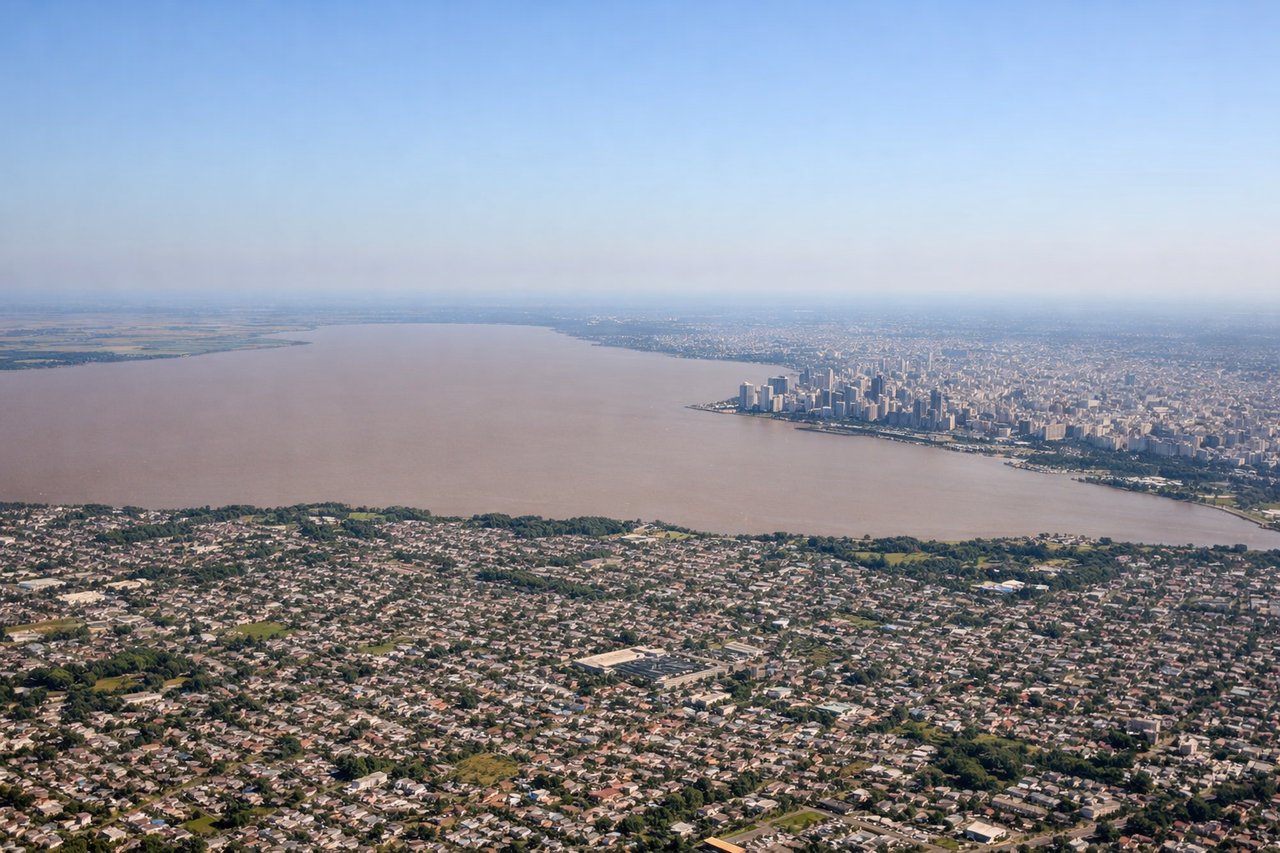
RIGHTEZE typically departs on runway 11/29 or 17/35. Northbound departures toward DFW will bank right, putting the right side over the Rio de la Plata estuary and the Buenos Aires city skyline in the distance. The massive brown expanse of the Plata is unmistakable and fills the view for several minutes.
Landing at DFW
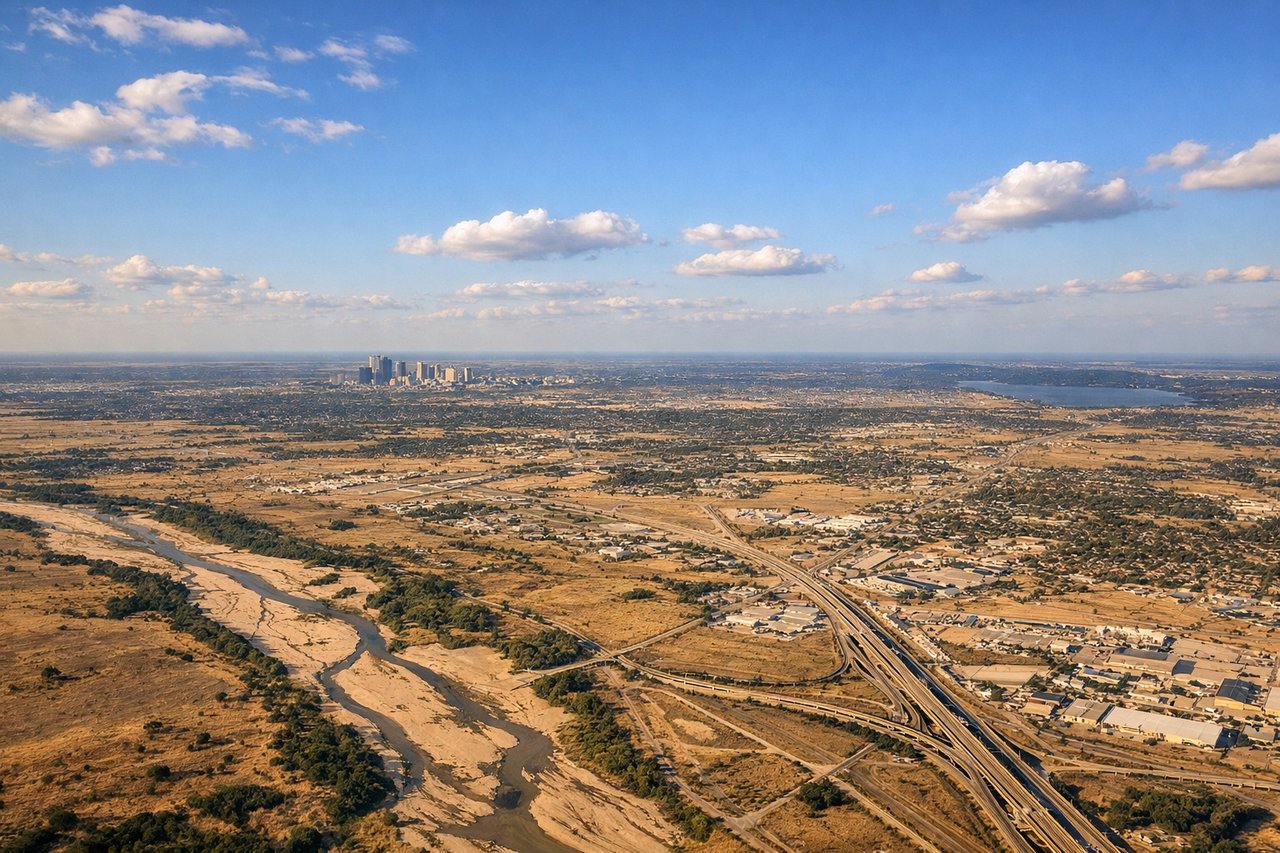
RIGHTDFW typically lands from the south or southeast on runways oriented north-south. On approach from the south, the right side faces west and northwest, giving views over Fort Worth, the Trinity River, and the sprawling DFW metroplex grid. The left side faces east toward Dallas proper but is often obscured by the aircraft fuselage angle on final.
Will your flight be in sunlight?
Pick a date and time in the Sun Map to watch the sun move across your whole flight.
About This Route
Which side of the plane should I sit on flying from Ezeiza Ministro Pistarini (EZE) to Dallas Fort Worth International (DFW)?
Sit on the Right side of the plane for the best views on flights from Buenos Aires to Dallas-Fort Worth. The right side wins both ends of the flight. At takeoff you get the Rio de la Plata and Buenos Aires, and on landing you get Fort Worth and the Trinity River. During the long overwater cruise the view is largely ocean regardless of side, but the right side also offers slightly better angles over the Caribbean coastline and Gulf of Mexico as the route curves northward.
What can I see during takeoff from Ezeiza Ministro Pistarini in Buenos Aires?
During takeoff from Ezeiza Ministro Pistarini (EZE), sit on the Right side for the best views. EZE typically departs on runway 11/29 or 17/35. Northbound departures toward DFW will bank right, putting the right side over the Rio de la Plata estuary and the Buenos Aires city skyline in the distance. The massive brown expanse of the Plata is unmistakable and fills the view for several minutes. Notable sights include: Rio de la Plata estuary, Buenos Aires city skyline and port district, Pampas flatlands stretching west, Dock Sud industrial zone.
What can I see when landing at Dallas Fort Worth International in Dallas-Fort Worth?
When landing at Dallas Fort Worth International (DFW), sit on the Right side for the best views. DFW typically lands from the south or southeast on runways oriented north-south. On approach from the south, the right side faces west and northwest, giving views over Fort Worth, the Trinity River, and the sprawling DFW metroplex grid. The left side faces east toward Dallas proper but is often obscured by the aircraft fuselage angle on final. Notable sights include: Fort Worth downtown skyline, Trinity River corridor, DFW metroplex suburban grid, Lake Worth to the northwest.
How long is the flight from Buenos Aires to Dallas-Fort Worth?
The flight from Ezeiza Ministro Pistarini (EZE) to Dallas Fort Worth International (DFW) takes about 11 hours 30 minutes. The shortest flight path between them is 5,303 miles (8,534 km); winds and air traffic control usually add a few percent.
What does the Buenos Aires to Dallas-Fort Worth flight path pass over?
The route tracks north-northwest from Buenos Aires across the Pampas, over Bolivia and the Altiplano plateau, across the Amazon basin lowlands of Brazil and Peru, then over the Caribbean Sea between Colombia and Venezuela, across the Gulf of Mexico, and into Texas. The Altiplano and Andes cordillera are visible early in the flight, followed by the vast flat green Amazon basin, then open ocean over the Caribbean and Gulf.