While the takeoff offers interesting Buenos Aires views, the landing approach to Dublin provides more dramatic and varied scenery—coastline, bay, mountains, and a major European city. Right-side seats capture the best of the approach sequence.
Flight Path
This southeasterly transatlantic route crosses the South Atlantic over open ocean for roughly 9-10 hours with no significant landmarks. The flight path typically passes south of the Azores (Portuguese islands) and north of the Mid-Atlantic Ridge. After crossing the Atlantic, the aircraft approaches the Irish coast from the southwest, potentially offering views of the Fastnet Rock and the Cork coastline before turning northeast toward Dublin. The entire mid-ocean crossing offers only water and sky—no visible landmarks from cruising altitude.
Great circle distance and headings ›Phase by phase
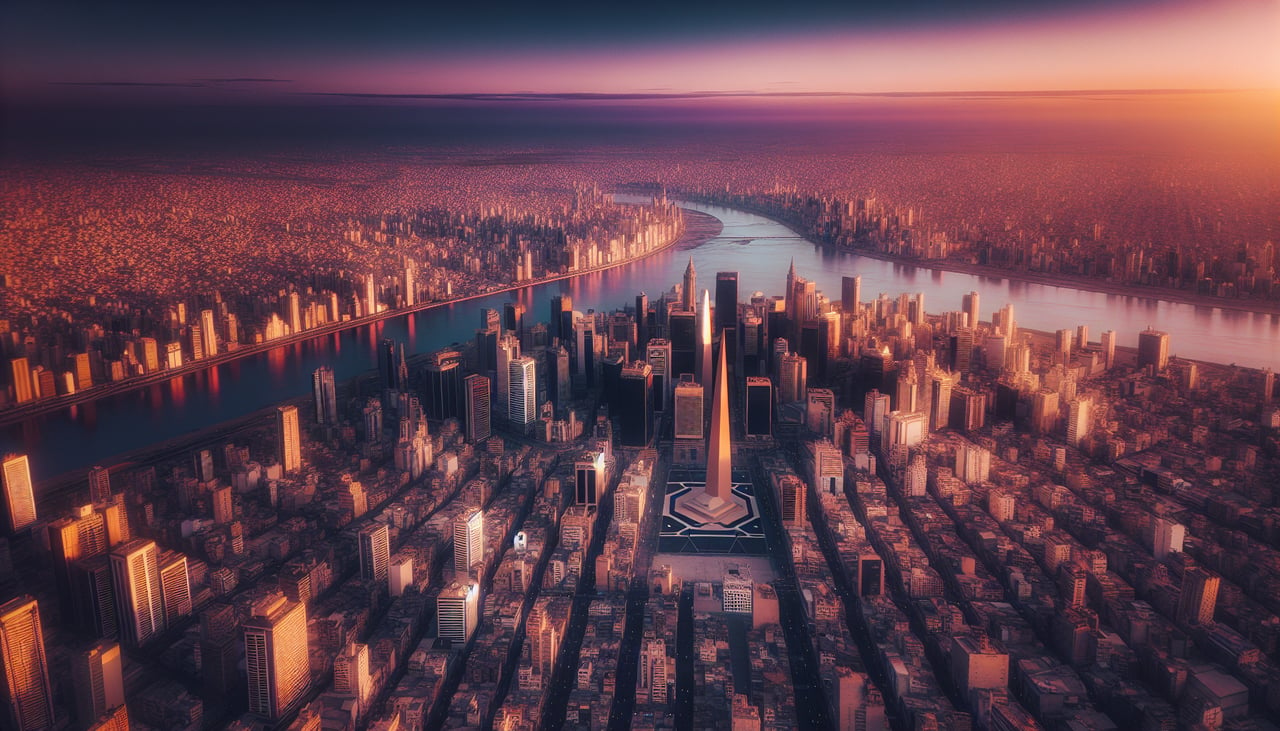
Takeoff from EZE
LEFTLeft-side seats offer views of the Río de la Plata estuary and the Buenos Aires metropolitan area as the aircraft climbs northeastward. You'll see the wide brown waters of the estuary and the sprawling city grid receding below.
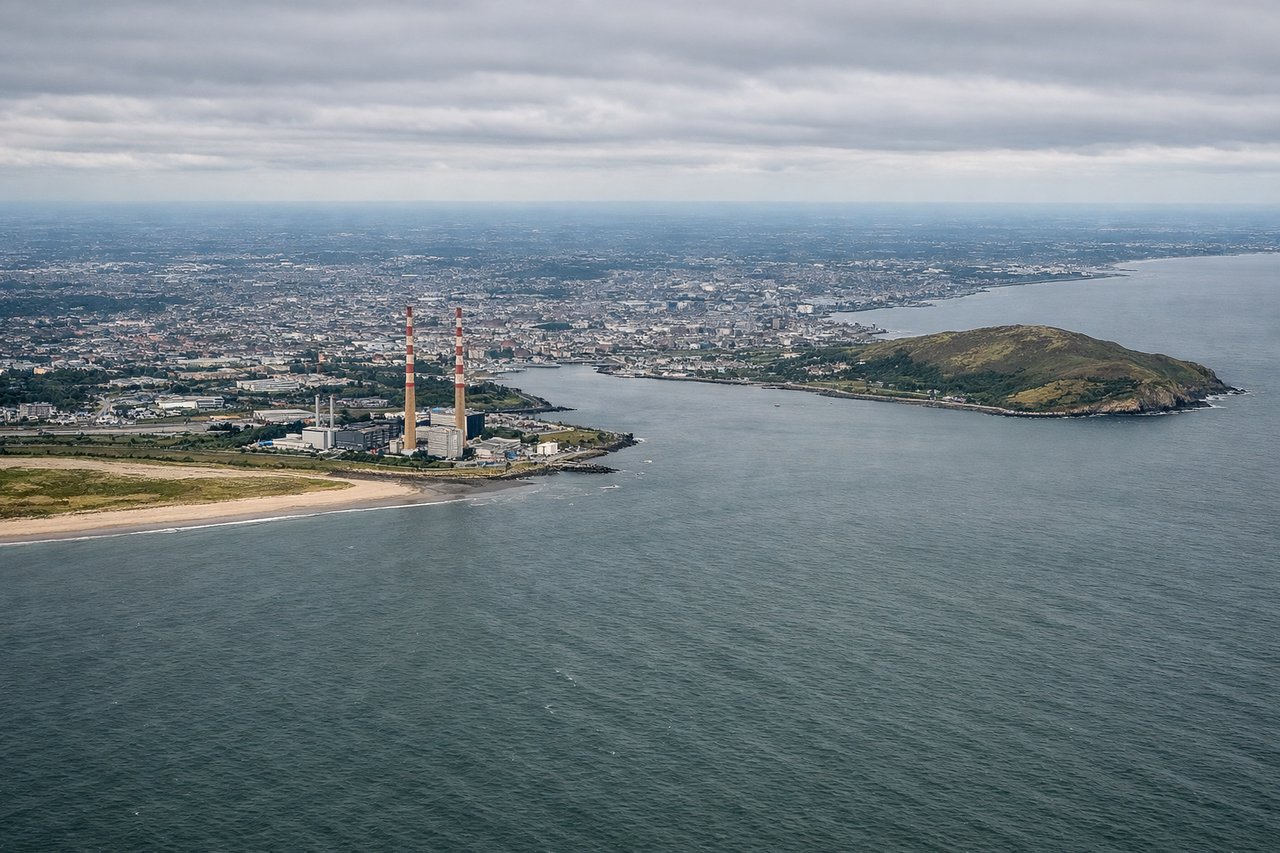
Landing at DUB
RIGHTRight-side seats provide excellent views during the descent approach to Dublin. You'll see the Irish coastline, Dublin Bay, and the city itself as the aircraft descends from the east over the Irish Sea.
Landmarks on this routeAll landmarks →
Will your flight be in sunlight?
See exactly which side of the plane gets sun and shade at your departure time.
About This Route
Which side of the plane should I sit on flying from Ezeiza Ministro Pistarini (EZE) to Dublin (DUB)?
Sit on the Right side of the plane for the best views on flights from Buenos Aires to Dublin. While the takeoff offers interesting Buenos Aires views, the landing approach to Dublin provides more dramatic and varied scenery—coastline, bay, mountains, and a major European city. Right-side seats capture the best of the approach sequence.
What can I see during takeoff from Ezeiza Ministro Pistarini in Buenos Aires?
During takeoff from Ezeiza Ministro Pistarini (EZE), sit on the Left side for the best views. Left-side seats offer views of the Río de la Plata estuary and the Buenos Aires metropolitan area as the aircraft climbs northeastward. You'll see the wide brown waters of the estuary and the sprawling city grid receding below. Notable sights include: Río de la Plata estuary, Buenos Aires city grid, Tigre Delta wetlands to the north, Pampas grasslands extending westward.
What can I see when landing at Dublin in Dublin?
When landing at Dublin (DUB), sit on the Right side for the best views. Right-side seats provide excellent views during the descent approach to Dublin. You'll see the Irish coastline, Dublin Bay, and the city itself as the aircraft descends from the east over the Irish Sea. Notable sights include: Dublin Bay, Howth Peninsula, River Liffey and Dublin city center, Irish coastline and Wicklow Mountains to the south.
How long is the flight from Buenos Aires to Dublin?
The flight from Ezeiza Ministro Pistarini (EZE) to Dublin (DUB) takes Approximately 13-14 hours.
What does the Buenos Aires to Dublin flight path pass over?
This southeasterly transatlantic route crosses the South Atlantic over open ocean for roughly 9-10 hours with no significant landmarks. The flight path typically passes south of the Azores (Portuguese islands) and north of the Mid-Atlantic Ridge. After crossing the Atlantic, the aircraft approaches the Irish coast from the southwest, potentially offering views of the Fastnet Rock and the Cork coastline before turning northeast toward Dublin. The entire mid-ocean crossing offers only water and sky—no visible landmarks from cruising altitude.