The right side wins on both ends of the flight: a dramatic view of the Alaska Range and possibly Denali during climb-out, and a scenic pass by the Chicago skyline and Lake Michigan during descent, while the left side offers comparatively flat, unremarkable terrain at both airports.
Flight Path
The route crosses the forested, lake-dotted terrain of the Yukon and northern British Columbia, then the farmland and lake country of the Canadian prairies including Lake Winnipeg, before passing over the farmland of Minnesota and Wisconsin en route to Lake Michigan and Chicago.
Great circle distance and headings ›

Phase by phase
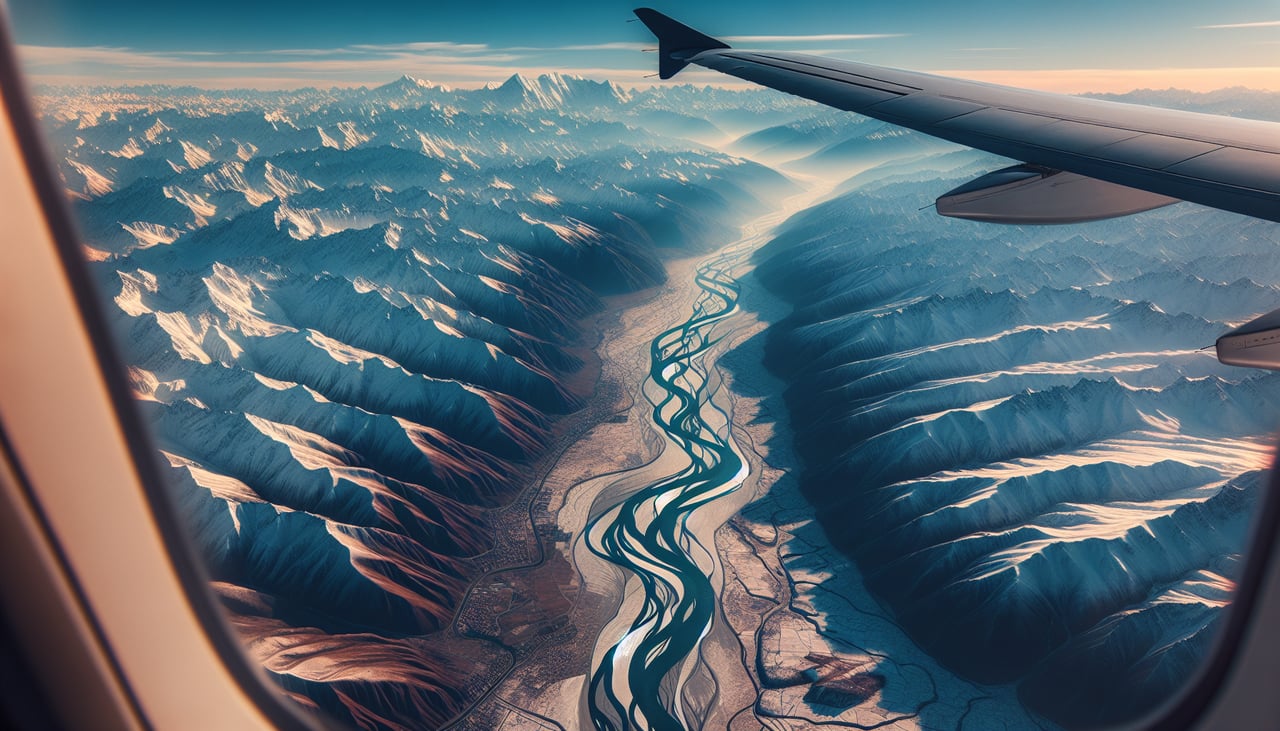
Takeoff from FAI
RIGHTDeparting Fairbanks, flights climb out heading roughly east, putting the Alaska Range - and on clear days Denali itself - off the right side to the south. The left side only shows the flatter Tanana Valley and boreal flats toward the Brooks Range foothills, which are less immediately dramatic.

Landing at ORD
RIGHTArriving from the northwest, typical ORD approach patterns bring aircraft south of the city before turning onto final approach, putting downtown Chicago's skyline and the Lake Michigan shoreline on the right side of the aircraft during the turn and descent. The left side mostly shows flat western suburbs and farmland.
Landmarks on this routeAll landmarks →
Will your flight be in sunlight?
See exactly which side of the plane gets sun and shade at your departure time.
About This Route
Which side of the plane should I sit on flying from Fairbanks International (FAI) to Chicago Ohare International (ORD)?
Sit on the Right side of the plane for the best views on flights from Fairbanks to Chicago. The right side wins on both ends of the flight: a dramatic view of the Alaska Range and possibly Denali during climb-out, and a scenic pass by the Chicago skyline and Lake Michigan during descent, while the left side offers comparatively flat, unremarkable terrain at both airports.
What can I see during takeoff from Fairbanks International in Fairbanks?
During takeoff from Fairbanks International (FAI), sit on the Right side for the best views. Departing Fairbanks, flights climb out heading roughly east, putting the Alaska Range - and on clear days Denali itself - off the right side to the south. The left side only shows the flatter Tanana Valley and boreal flats toward the Brooks Range foothills, which are less immediately dramatic. Notable sights include: Alaska Range, Denali (Mount McKinley), Tanana River valley, Fairbanks townsite.
What can I see when landing at Chicago Ohare International in Chicago?
When landing at Chicago Ohare International (ORD), sit on the Right side for the best views. Arriving from the northwest, typical ORD approach patterns bring aircraft south of the city before turning onto final approach, putting downtown Chicago's skyline and the Lake Michigan shoreline on the right side of the aircraft during the turn and descent. The left side mostly shows flat western suburbs and farmland. Notable sights include: Chicago skyline (Willis Tower), Lake Michigan shoreline, Chicago River, O'Hare's surrounding suburbs.
How long is the flight from Fairbanks to Chicago?
The flight from Fairbanks International (FAI) to Chicago Ohare International (ORD) takes 5h 50m.
What does the Fairbanks to Chicago flight path pass over?
The route crosses the forested, lake-dotted terrain of the Yukon and northern British Columbia, then the farmland and lake country of the Canadian prairies including Lake Winnipeg, before passing over the farmland of Minnesota and Wisconsin en route to Lake Michigan and Chicago.