While the takeoff offers interesting Italian geography, the landing view of the Rocky Mountain Front Range is more dramatic and visually striking. Right-side seats capture the mountain approach that defines the Denver arrival experience.
Flown FCO to BJC? Did we get it right?
Flight Path
Rome to Denver is 5,563 miles (8,953 km), a flight of about 11 hours.
The flight crosses the Atlantic Ocean (no landmarks visible over open water for roughly 6 hours), then passes over Newfoundland and Labrador, the Canadian Shield, and the Great Lakes region. Over land, you may see the Hudson Bay area, the Canadian Prairies, and the transition from flat terrain to the Rocky Mountain foothills as you approach Denver from the east.
Great circle distance and headings ›


Phase by phase
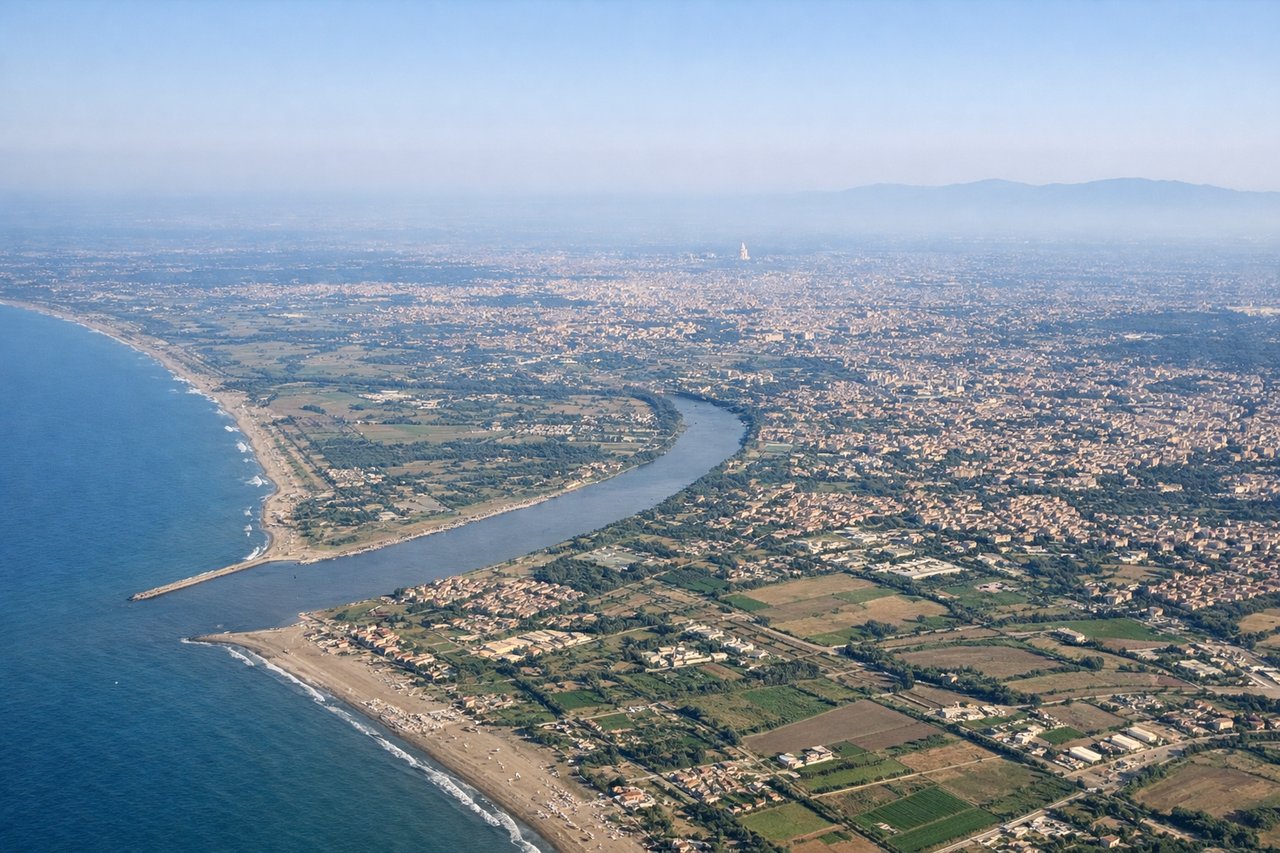
Takeoff from FCO
LEFTLeft-side seats offer views of the Tiber River valley and the Alban Hills as the aircraft climbs southwestward from Fiumicino. The terrain rises gradually inland, providing layered depth as you gain altitude.
Landing at BJC
RIGHTRight-side seats provide excellent views of the Rocky Mountains during descent into Denver. The Front Range rises dramatically to the west, and you'll see the Colorado Piedmont and the city sprawl of the Denver metropolitan area as you descend eastward.
Will your flight be in sunlight?
Pick a date and time in the Sun Map to watch the sun move across your whole flight.
About This Route
Which side of the plane should I sit on flying from Fiumicino (FCO) to Rocky Mountain Metropolitan Airport (BJC)?
Sit on the Right side of the plane for the best views on flights from Rome to Denver. While the takeoff offers interesting Italian geography, the landing view of the Rocky Mountain Front Range is more dramatic and visually striking. Right-side seats capture the mountain approach that defines the Denver arrival experience.
What can I see during takeoff from Fiumicino in Rome?
During takeoff from Fiumicino (FCO), sit on the Left side for the best views. Left-side seats offer views of the Tiber River valley and the Alban Hills as the aircraft climbs southwestward from Fiumicino. The terrain rises gradually inland, providing layered depth as you gain altitude. Notable sights include: Tiber River (winding through the Roman Campagna), Alban Hills (volcanic ridge southeast of Rome), Mediterranean coastline receding westward, Pontine Marshes (flat agricultural plain to the south).
What can I see when landing at Rocky Mountain Metropolitan Airport in Denver?
When landing at Rocky Mountain Metropolitan Airport (BJC), sit on the Right side for the best views. Right-side seats provide excellent views of the Rocky Mountains during descent into Denver. The Front Range rises dramatically to the west, and you'll see the Colorado Piedmont and the city sprawl of the Denver metropolitan area as you descend eastward. Notable sights include: Rocky Mountain Front Range (including peaks like Mount Evans and Longs Peak visible on clear days), South Platte River valley, Denver metropolitan area and downtown skyline, Colorado Piedmont foothills.
How long is the flight from Rome to Denver?
The flight from Fiumicino (FCO) to Rocky Mountain Metropolitan Airport (BJC) takes about 11 hours. The shortest flight path between them is 5,563 miles (8,953 km); winds and air traffic control usually add a few percent.
What does the Rome to Denver flight path pass over?
The flight crosses the Atlantic Ocean (no landmarks visible over open water for roughly 6 hours), then passes over Newfoundland and Labrador, the Canadian Shield, and the Great Lakes region. Over land, you may see the Hudson Bay area, the Canadian Prairies, and the transition from flat terrain to the Rocky Mountain foothills as you approach Denver from the east.