The left side offers a more varied journey: Rome and the Apennines at departure, glimpses of the Greek islands and Cyprus along the Mediterranean crossing, and the Zagros Mountains across the Gulf on arrival into Dubai. The right side is dominated by open Mediterranean water and featureless desert with little variation.
Flight Path
Mediterranean Sea crossing near Crete and Cyprus, followed by the arid plains of Syria/Iraq and northern Saudi Arabia before reaching the Persian Gulf coast
Great circle distance and headings ›


.jpg?width=600)
_and_the_Dubai_skyline_(25781049892).jpg?width=600)
Phase by phase
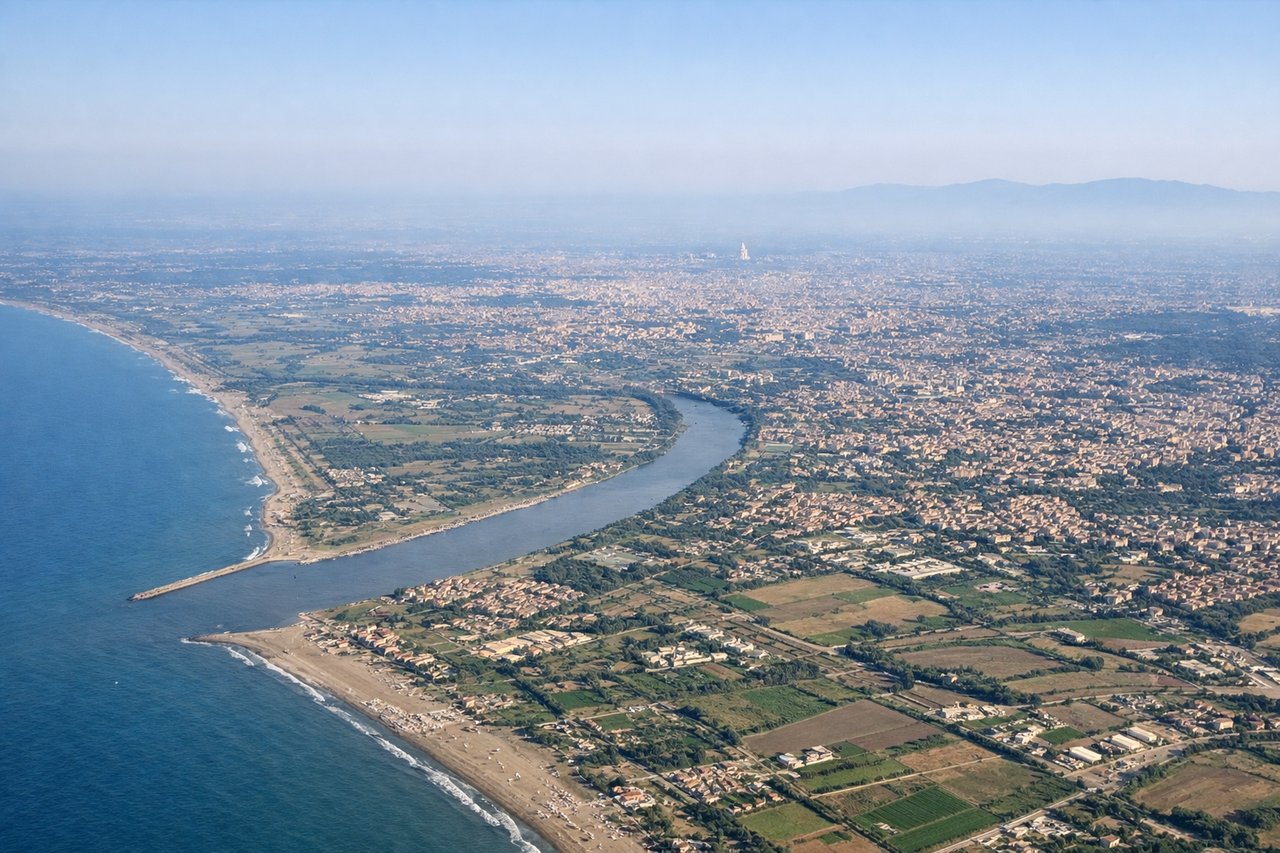
Takeoff from FCO
LEFTAfter departure from FCO, the aircraft typically turns onto a southeast heading toward Greece, putting Rome's skyline, the Tiber valley, and the forested ridges of the Apennines on the left side. The right side only shows the flat Tyrrhenian coastline and open sea before the turn completes.
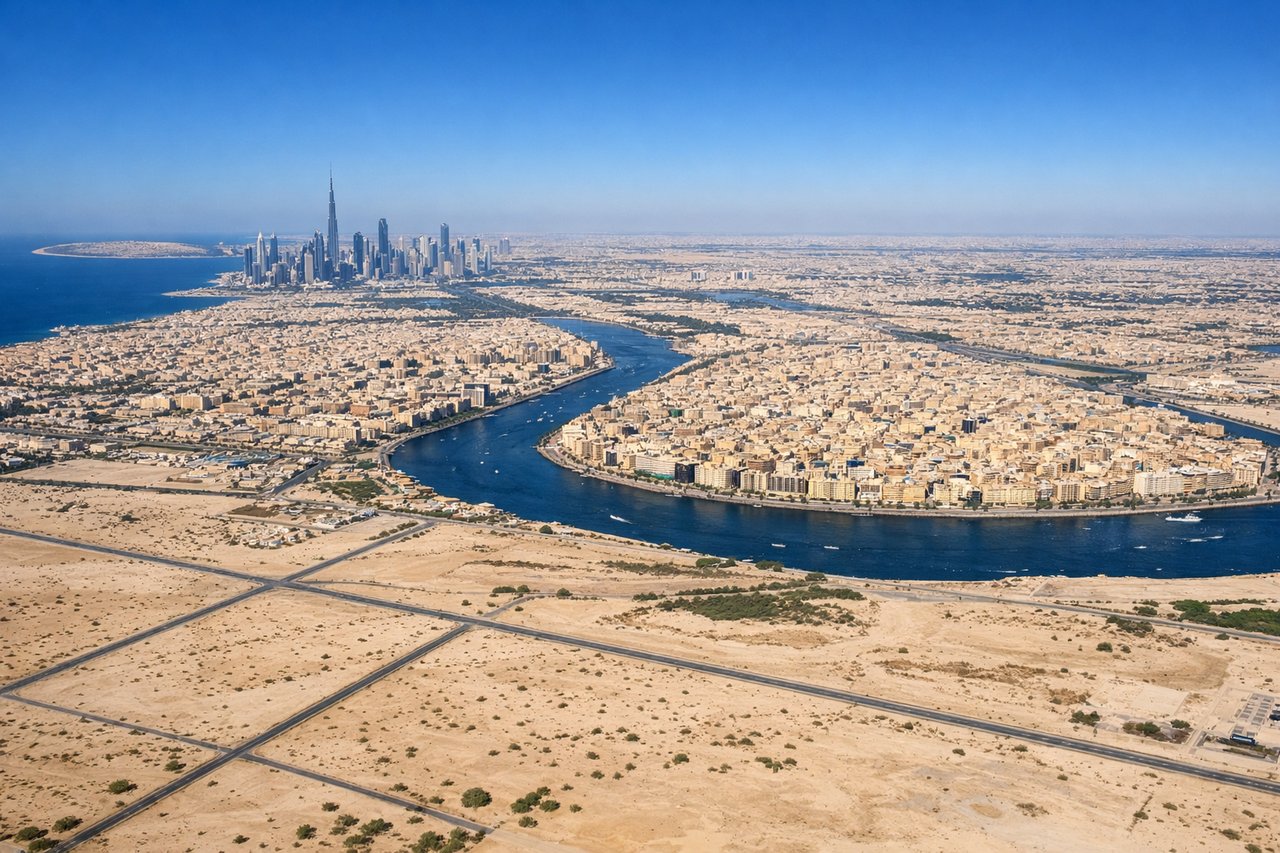
Landing at DXB
LEFTOn approach into DXB from the northwest, the left side of the aircraft faces across the Persian Gulf toward Iran, where the snow-dusted Zagros Mountains are often visible on clear days before the plane turns onto final approach over Dubai's coastal skyline. The right side mostly shows the flat Arabian desert interior.
Landmarks on this routeAll landmarks →
Will your flight be in sunlight?
See exactly which side of the plane gets sun and shade at your departure time.
About This Route
Which side of the plane should I sit on flying from Fiumicino (FCO) to Dubai International (DXB)?
Sit on the Left side of the plane for the best views on flights from Rome to Dubai. The left side offers a more varied journey: Rome and the Apennines at departure, glimpses of the Greek islands and Cyprus along the Mediterranean crossing, and the Zagros Mountains across the Gulf on arrival into Dubai. The right side is dominated by open Mediterranean water and featureless desert with little variation.
What can I see during takeoff from Fiumicino in Rome?
During takeoff from Fiumicino (FCO), sit on the Left side for the best views. After departure from FCO, the aircraft typically turns onto a southeast heading toward Greece, putting Rome's skyline, the Tiber valley, and the forested ridges of the Apennines on the left side. The right side only shows the flat Tyrrhenian coastline and open sea before the turn completes. Notable sights include: Rome city outline, Tiber River delta, Apennine foothills, Castelli Romani hills.
What can I see when landing at Dubai International in Dubai?
When landing at Dubai International (DXB), sit on the Left side for the best views. On approach into DXB from the northwest, the left side of the aircraft faces across the Persian Gulf toward Iran, where the snow-dusted Zagros Mountains are often visible on clear days before the plane turns onto final approach over Dubai's coastal skyline. The right side mostly shows the flat Arabian desert interior. Notable sights include: Persian Gulf waters, distant Zagros Mountains (Iran), Dubai coastline and Palm Jumeirah, Dubai skyscraper cluster.
How long is the flight from Rome to Dubai?
The flight from Fiumicino (FCO) to Dubai International (DXB) takes 5h 55m.
What does the Rome to Dubai flight path pass over?
Mediterranean Sea crossing near Crete and Cyprus, followed by the arid plains of Syria/Iraq and northern Saudi Arabia before reaching the Persian Gulf coast