The right side combines a more textured departure over the Apennine foothills with a genuinely landmark-rich arrival past the Philadelphia skyline and Delaware River, while the left side is dominated by open ocean for most of the flight and flatter coastal terrain at takeoff.
Flight Path
North Atlantic Ocean, with the flight path passing south of Ireland and near the Grand Banks off Newfoundland before the North American coast
Great circle distance and headings ›


.jpg?width=600)
Phase by phase
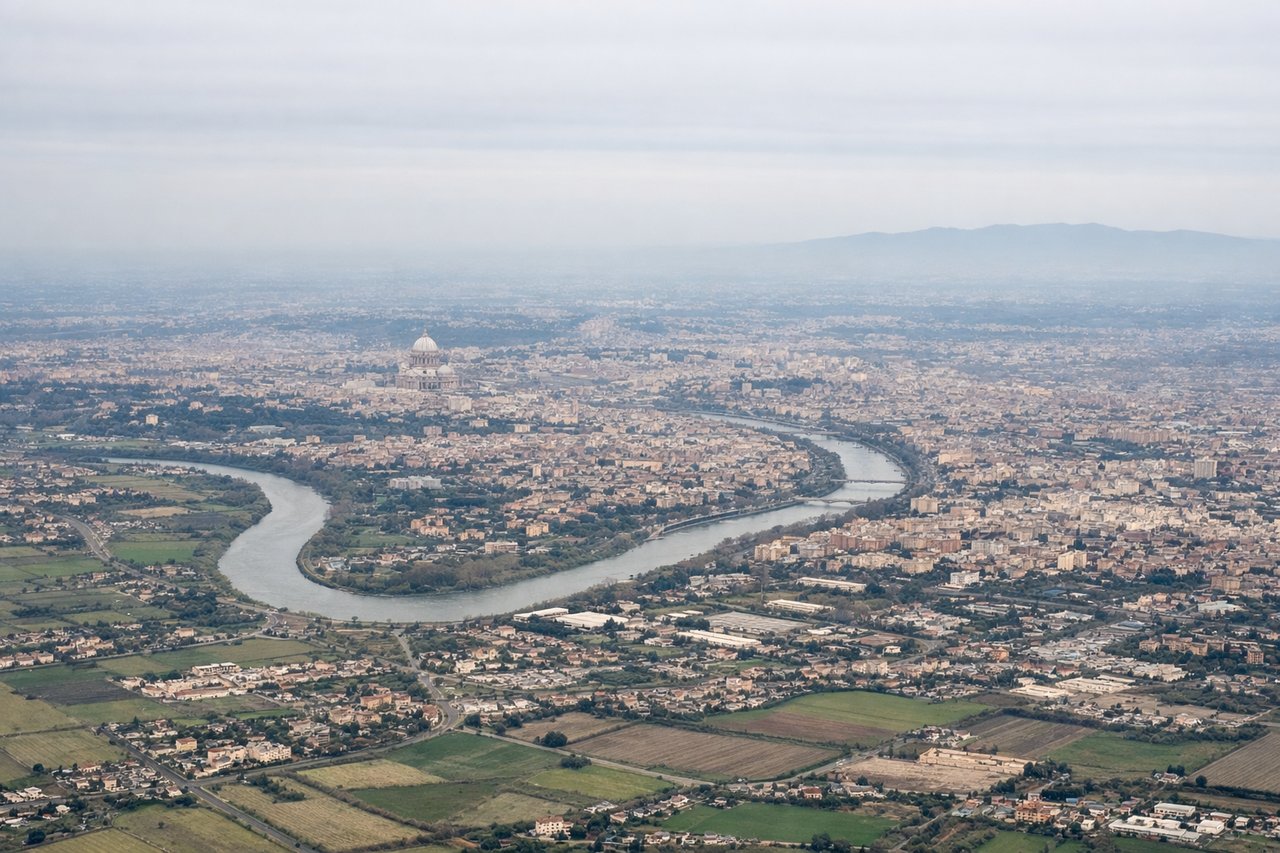
Takeoff from FCO
RIGHTDeparting FCO on a northbound climb, the right side looks east toward the Apennine ridgeline and the hill towns of Lazio and Umbria, giving genuine relief and texture as the plane climbs. The left side shows Rome's coastal plain and the Tyrrhenian Sea, but it's flatter and less dramatic.
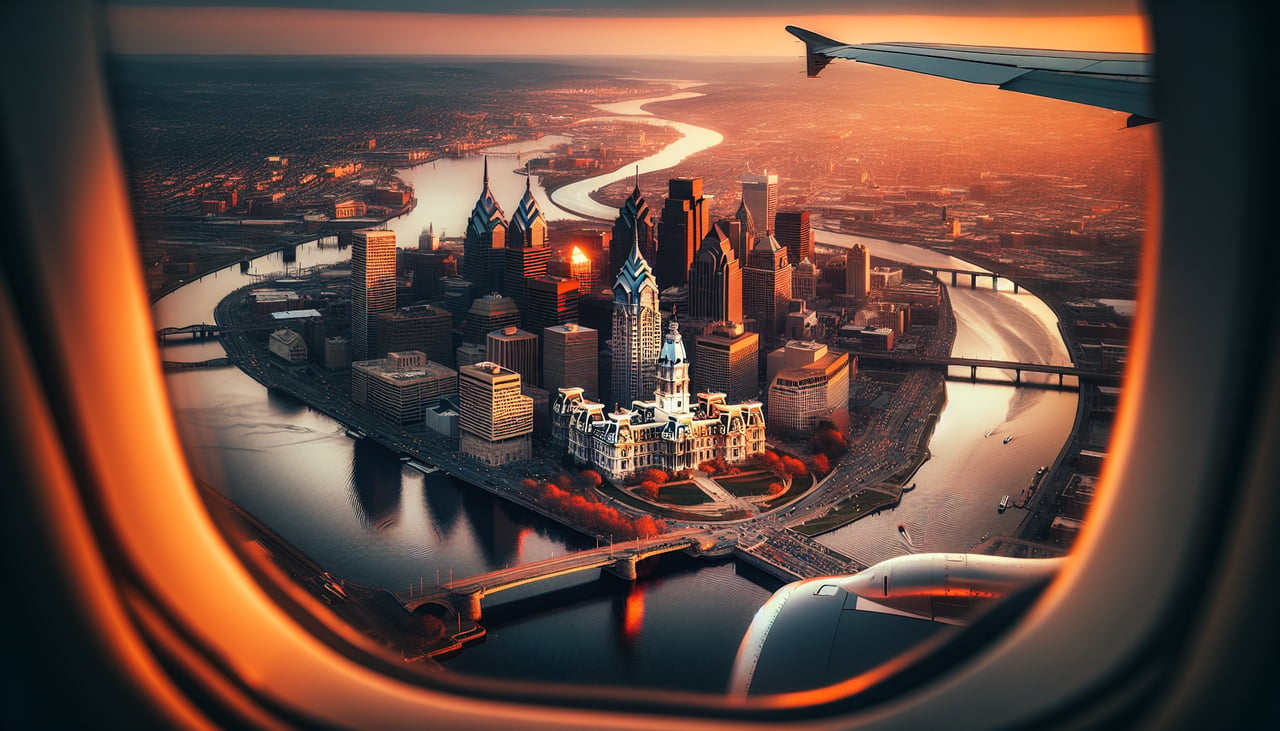
Landing at PHL
RIGHTPHL arrivals from the east typically fly over the Delaware River and pass north of downtown before turning onto final for the west-facing runways, putting the Philadelphia skyline and river on the right side. The left side during this turn mostly shows suburban New Jersey and Pennsylvania sprawl.
Landmarks on this routeAll landmarks →
Will your flight be in sunlight?
See exactly which side of the plane gets sun and shade at your departure time.
About This Route
Which side of the plane should I sit on flying from Fiumicino (FCO) to Philadelphia International (PHL)?
Sit on the Right side of the plane for the best views on flights from Rome to Philadelphia. The right side combines a more textured departure over the Apennine foothills with a genuinely landmark-rich arrival past the Philadelphia skyline and Delaware River, while the left side is dominated by open ocean for most of the flight and flatter coastal terrain at takeoff.
What can I see during takeoff from Fiumicino in Rome?
During takeoff from Fiumicino (FCO), sit on the Right side for the best views. Departing FCO on a northbound climb, the right side looks east toward the Apennine ridgeline and the hill towns of Lazio and Umbria, giving genuine relief and texture as the plane climbs. The left side shows Rome's coastal plain and the Tyrrhenian Sea, but it's flatter and less dramatic. Notable sights include: Apennine Mountains, Tiber Valley, Sabine Hills, Tyrrhenian coastline (left).
What can I see when landing at Philadelphia International in Philadelphia?
When landing at Philadelphia International (PHL), sit on the Right side for the best views. PHL arrivals from the east typically fly over the Delaware River and pass north of downtown before turning onto final for the west-facing runways, putting the Philadelphia skyline and river on the right side. The left side during this turn mostly shows suburban New Jersey and Pennsylvania sprawl. Notable sights include: Philadelphia skyline, Delaware River, Ben Franklin Bridge, Camden waterfront.
How long is the flight from Rome to Philadelphia?
The flight from Fiumicino (FCO) to Philadelphia International (PHL) takes 9h 50m.
What does the Rome to Philadelphia flight path pass over?
North Atlantic Ocean, with the flight path passing south of Ireland and near the Grand Banks off Newfoundland before the North American coast