Left side scores higher due to the superior takeoff experience from Rome—the Tiber River, urban landscape, and Alban Hills provide more visual interest and landmark density than the right side's open countryside departure. Although right side wins on landing with the Mediterranean and coastal approach, the takeoff advantage and overall variety across the full flight favor left.
Flown FCO to TLV? Did we get it right?
Flight Path
Rome to Tel Aviv is 1,416 miles (2,278 km), a flight of about 4 hours 15 minutes.
Adriatic Sea crossing (central Mediterranean), Greek islands (Corfu, Cephalonia visible on southern route), Peloponnese coastline, Aegean approaches to eastern Mediterranean, transition from European to Levantine geography
Great circle distance and headings ›


Phase by phase
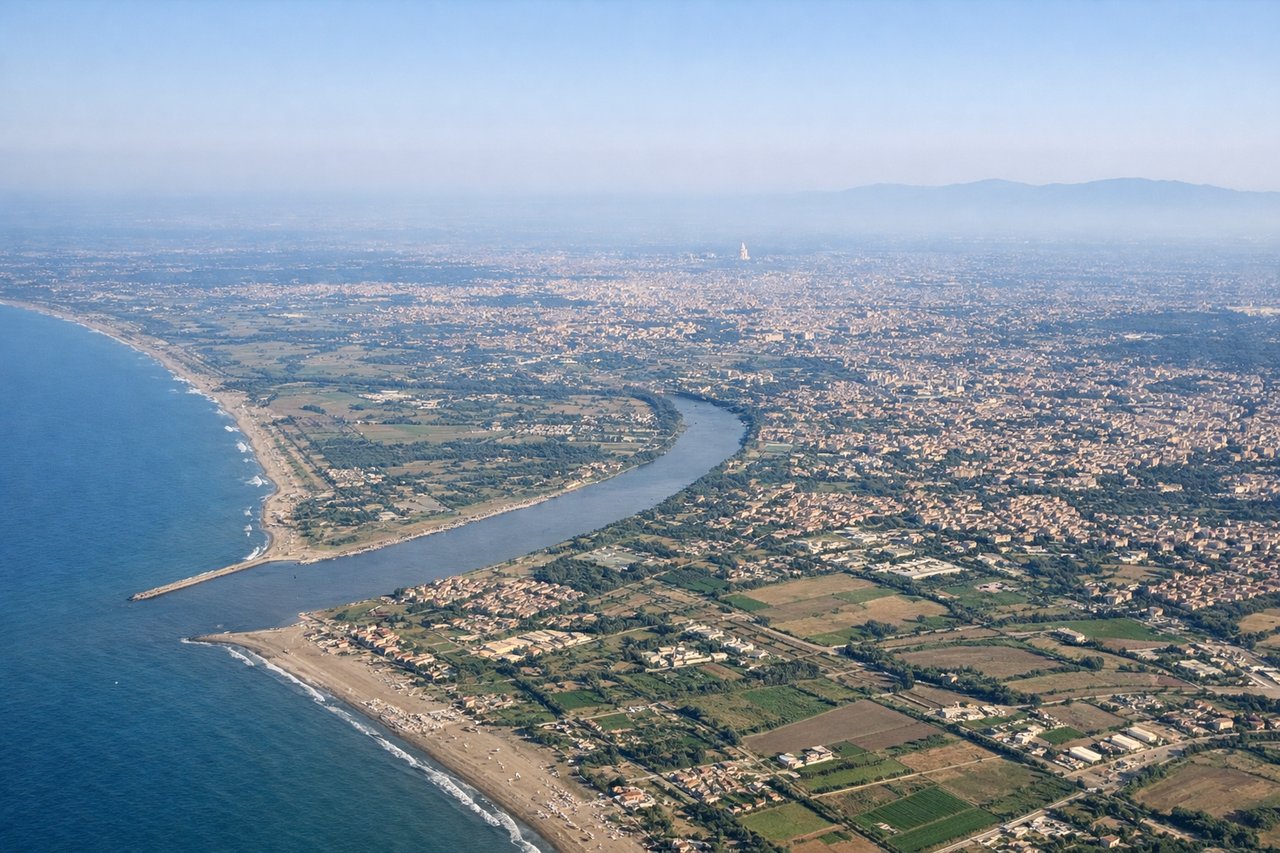
Takeoff from FCO
LEFTLeft side captures Rome's urban sprawl and the Tiber River valley during climb-out, with the Alban Hills visible to the southeast. Right side faces open countryside and lacks distinctive landmarks during departure.
Landing at TLV
RIGHTRight side offers the dramatic approach over the Mediterranean, the Judean Hills, and the Tel Aviv coastal plain with Ben Gurion's proximity to the shoreline. Left side faces inland desert and lacks the visual drama of the coastal approach.
Will your flight be in sunlight?
Pick a date and time in the Sun Map to watch the sun move across your whole flight.
About This Route
Which side of the plane should I sit on flying from Fiumicino (FCO) to Ben Gurion (TLV)?
Sit on the Left side of the plane for the best views on flights from Rome to Tel Aviv. Left side scores higher due to the superior takeoff experience from Rome—the Tiber River, urban landscape, and Alban Hills provide more visual interest and landmark density than the right side's open countryside departure. Although right side wins on landing with the Mediterranean and coastal approach, the takeoff advantage and overall variety across the full flight favor left.
What can I see during takeoff from Fiumicino in Rome?
During takeoff from Fiumicino (FCO), sit on the Left side for the best views. Left side captures Rome's urban sprawl and the Tiber River valley during climb-out, with the Alban Hills visible to the southeast. Right side faces open countryside and lacks distinctive landmarks during departure. Notable sights include: Tiber River winding through Rome, Alban Hills (Castelli Romani), Vatican City area, Mediterranean coastline at Ostia.
What can I see when landing at Ben Gurion in Tel Aviv?
When landing at Ben Gurion (TLV), sit on the Right side for the best views. Right side offers the dramatic approach over the Mediterranean, the Judean Hills, and the Tel Aviv coastal plain with Ben Gurion's proximity to the shoreline. Left side faces inland desert and lacks the visual drama of the coastal approach. Notable sights include: Mediterranean Sea, Tel Aviv-Jaffa coastline, Judean Hills inland, Ben Gurion Airport runway complex near the shore.
How long is the flight from Rome to Tel Aviv?
The flight from Fiumicino (FCO) to Ben Gurion (TLV) takes about 4 hours 15 minutes. The shortest flight path between them is 1,416 miles (2,278 km); winds and air traffic control usually add a few percent.
What does the Rome to Tel Aviv flight path pass over?
Adriatic Sea crossing (central Mediterranean), Greek islands (Corfu, Cephalonia visible on southern route), Peloponnese coastline, Aegean approaches to eastern Mediterranean, transition from European to Levantine geography