The takeoff from Rome offers more visually distinctive natural features (Apennines, Tyrrhenian Sea, volcanic hills) compared to the landing approach into Vancouver, which, while scenic, features more subtle terrain variation. Left side at departure provides the stronger scenic experience.
Flown FCO to YVR? Did we get it right?
Flight Path
Rome to Vancouver is 5,592 miles (9,000 km), a flight of about 10 hours 15 minutes.
The flight path crosses the Atlantic over the North Atlantic Ocean, passing north of Greenland's southern tip and over the Canadian Arctic Archipelago. Notable features include the Labrador Sea, Baffin Island's eastern coastline, and the Canadian Shield's vast boreal forest landscape before reaching the Rocky Mountains and Pacific coastal ranges approaching Vancouver.
Great circle distance and headings ›


Phase by phase
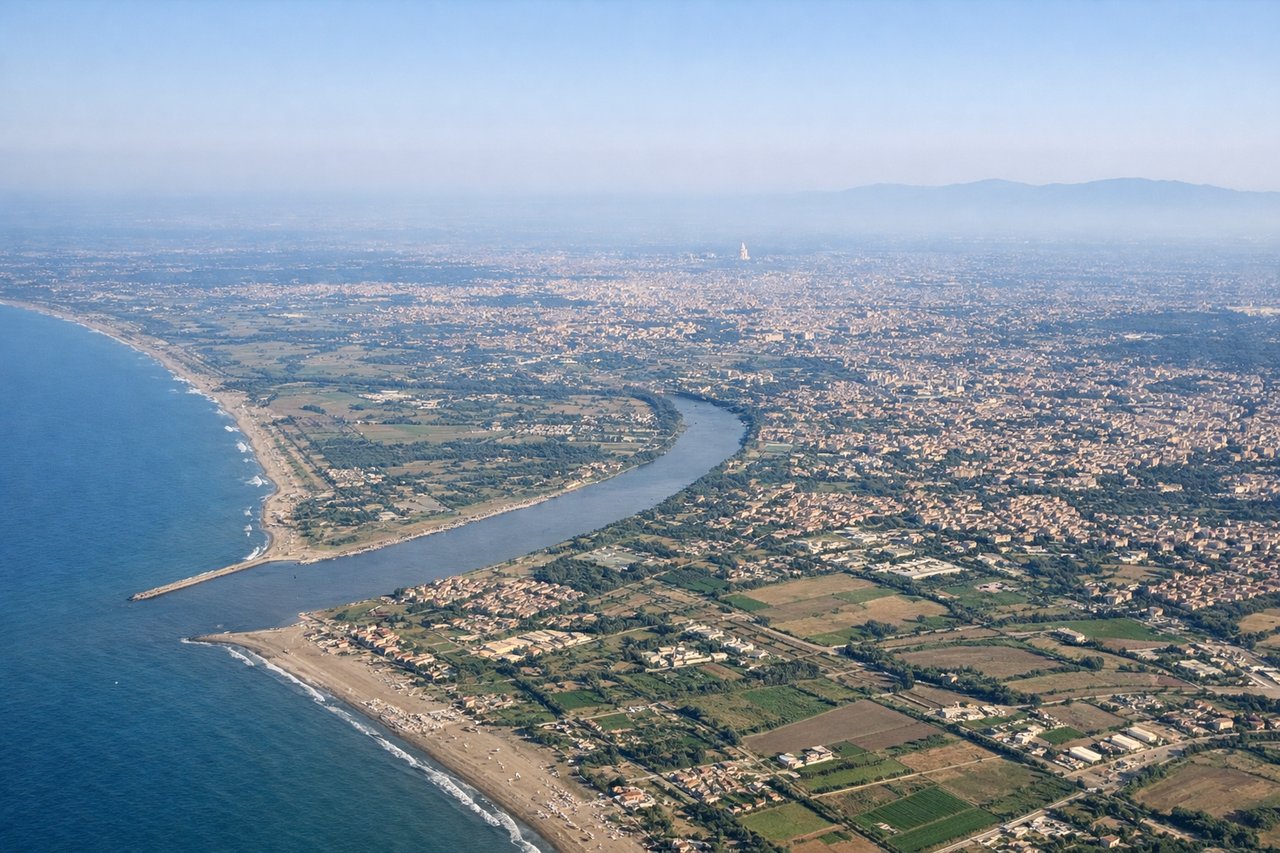
Takeoff from FCO
LEFTLeft side seats capture the Apennine Mountains running south from Rome and the Tyrrhenian Sea coastline as the aircraft climbs northwest over central Italy. Right side faces inland toward less dramatic terrain.

Landing at YVR
RIGHTRight side seats offer views of the North Cascades and the Strait of Georgia as the aircraft descends into Vancouver. The mountain range and coastal geography provide dramatic visual interest during final approach.
Will your flight be in sunlight?
Pick a date and time in the Sun Map to watch the sun move across your whole flight.
About This Route
Which side of the plane should I sit on flying from Fiumicino (FCO) to Vancouver International (YVR)?
Sit on the Left side of the plane for the best views on flights from Rome to Vancouver. The takeoff from Rome offers more visually distinctive natural features (Apennines, Tyrrhenian Sea, volcanic hills) compared to the landing approach into Vancouver, which, while scenic, features more subtle terrain variation. Left side at departure provides the stronger scenic experience.
What can I see during takeoff from Fiumicino in Rome?
During takeoff from Fiumicino (FCO), sit on the Left side for the best views. Left side seats capture the Apennine Mountains running south from Rome and the Tyrrhenian Sea coastline as the aircraft climbs northwest over central Italy. Right side faces inland toward less dramatic terrain. Notable sights include: Apennine Mountains (south-southeast), Tyrrhenian Sea coastline, Tiber River valley, Alban Hills volcanic complex.
What can I see when landing at Vancouver International in Vancouver?
When landing at Vancouver International (YVR), sit on the Right side for the best views. Right side seats offer views of the North Cascades and the Strait of Georgia as the aircraft descends into Vancouver. The mountain range and coastal geography provide dramatic visual interest during final approach. Notable sights include: North Cascades (Mount Baker visible on clear days), Strait of Georgia, Vancouver Island, Fraser River delta.
How long is the flight from Rome to Vancouver?
The flight from Fiumicino (FCO) to Vancouver International (YVR) takes about 10 hours 15 minutes. The shortest flight path between them is 5,592 miles (9,000 km); winds and air traffic control usually add a few percent.
What does the Rome to Vancouver flight path pass over?
The flight path crosses the Atlantic over the North Atlantic Ocean, passing north of Greenland's southern tip and over the Canadian Arctic Archipelago. Notable features include the Labrador Sea, Baffin Island's eastern coastline, and the Canadian Shield's vast boreal forest landscape before reaching the Rocky Mountains and Pacific coastal ranges approaching Vancouver.